
Semaglutide’s shift from injection to pill marks a new chapter in diabetes treatment
Oral GLP‑1s break the injection barrier
The first GLP‑1 receptor agonist, exenatide, entered the market in 2005 as an injectable for type‑2 diabetes. A decade later, semaglutide’s 2017 launch as Ozempic cemented the class’s popularity, but all drugs remained injections until an oral version appeared. The breakthrough promises easier dosing and broader adoption.
Health news
 Sleep May Be the Heart's Nightly Repair Window, Study Suggests
 APOE Genotype Influences How Well Blood Tau Protein Predicts Cognitive Decline
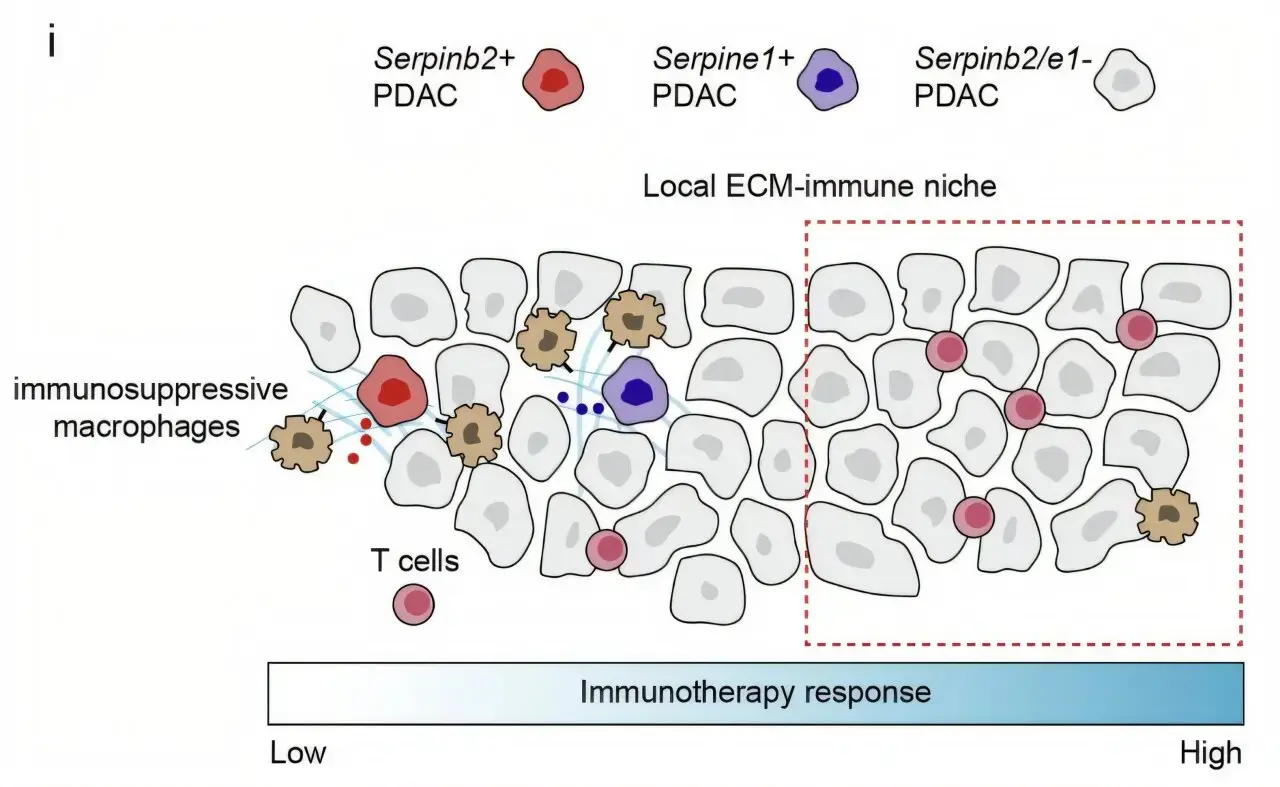 Pancreatic Cancer Hijacks Blood-Clotting System to Evade Immune Attack
 Survey Reveals Most Men Unaware Dairy May Increase Prostate Cancer Risk
Semaglutide’s injectable form proved highly effective at lowering blood sugar and reducing cardiovascular risk, but weekly shots limited patient convenience. Researchers pursued a tablet that could survive stomach acid and reach the bloodstream intact. In 2019, the FDA approved oral semaglutide, branded Rybelsus, making it the first approved oral GLP‑1. The new formulation uses an absorption enhancer to protect the peptide and improve uptake. Early trials showed comparable HbA1c reductions to the injectable, with similar weight‑loss benefits. Clinicians now have a choice between a weekly pen and a daily pill, expanding options for patients who fear needles.
The oral version of semaglutide required a novel delivery system. The drug is co‑formulated with sodium N‑(8‑[2‑hydroxybenzoyl]amino)caprylate, which temporarily opens tight junctions in the stomach lining. This allows the peptide to cross the epithelial barrier without degradation. In Phase III trials, patients taking the tablet achieved a mean HbA1c drop of 1.4 percentage points, matching the injectable’s performance. Side‑effects remained mild, with nausea being the most common complaint. Physicians report better adherence, as patients can incorporate the dose into their morning routine without scheduling injections.
Will oral GLP‑1s reshape diabetes care?
Experts argue that oral GLP‑1s could broaden the market beyond traditional users. „Patients who have avoided injectables due to needle anxiety now have a viable alternative,” says Dr. Elena Martinez, an endocrinologist at the University of Chicago. Insurance coverage, however, remains a hurdle; oral semaglutide often costs more than its injectable counterpart. Moreover, the daily dosing schedule demands strict compliance, unlike the weekly pen that offers more flexibility. If manufacturers can lower prices and educate providers, the oral route may become a standard first‑line therapy for many newly diagnosed patients.
The shift to oral GLP‑1s signals a turning point in diabetes management. By removing the injection barrier, pharmaceutical companies hope to increase uptake and improve long‑term outcomes. Ongoing studies are testing other GLP‑1 molecules in pill form, aiming to expand the class’s benefits. If these efforts succeed, the future of diabetes care could be defined by tablets rather than pens, offering patients a simpler, less invasive path to disease control.
Frequently Asked Questions
How does oral semaglutide differ from the injectable? The oral form uses an absorption enhancer to protect the peptide in the stomach, allowing daily dosing. Efficacy and side‑effect profiles are similar to the injectable.
Can anyone with type 2 diabetes switch to the pill? Most patients can, but doctors consider kidney function, gastrointestinal tolerance, and insurance coverage before prescribing the oral version.
What are the main challenges for oral GLP‑1 adoption? Higher cost, the need for strict daily adherence, and limited awareness among clinicians are the primary obstacles to widespread use.
Content written by Dr. Elena Voss for wellness-bio-radar.com editorial team, AI-assisted.