Semaglutide And Teduglutide Protect Mouse Intestines From Immune Damage
Hormonal Shields Against T Cell Aggression
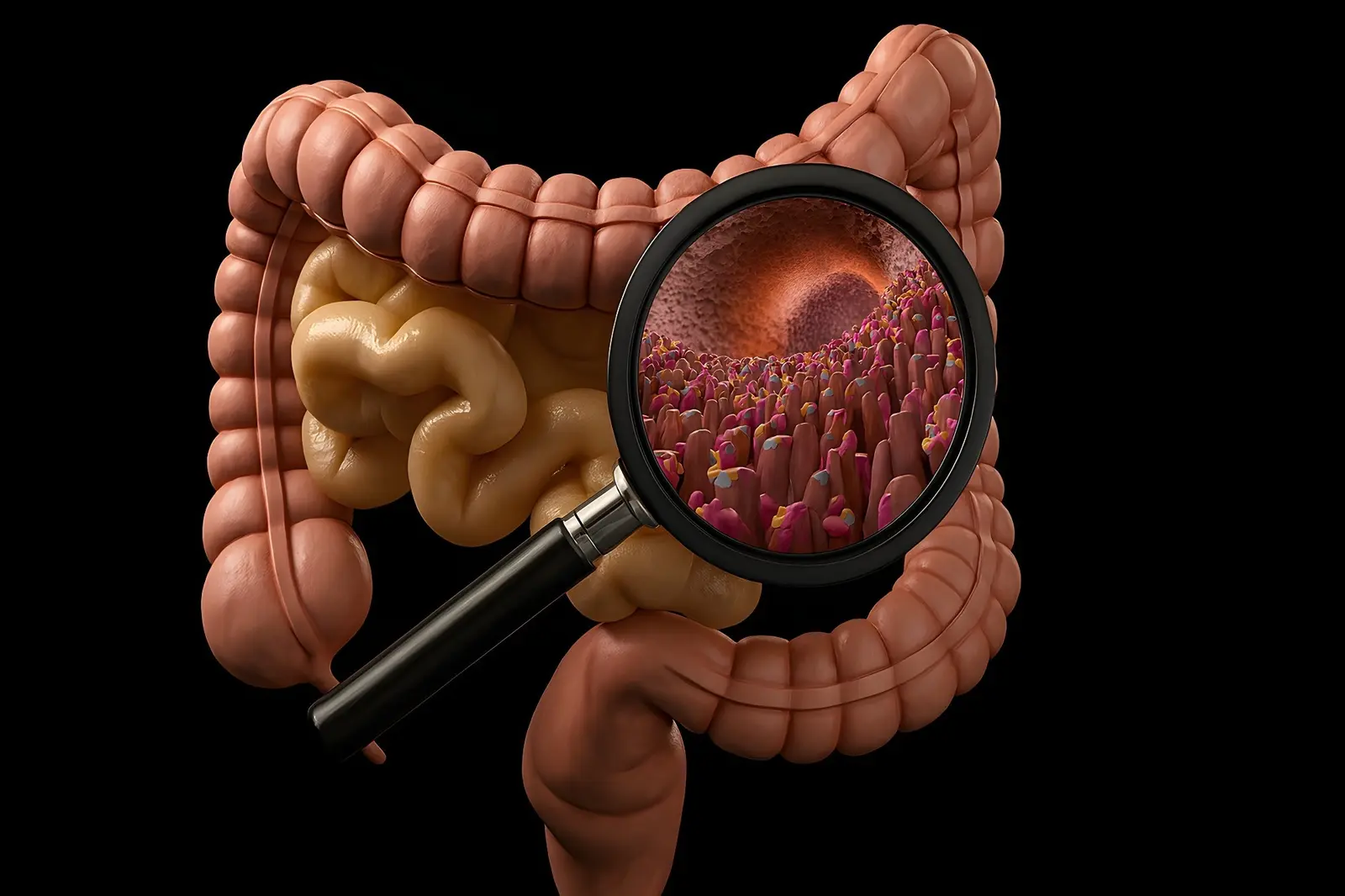
Researchers at the University of Copenhagen have identified a protective role for gut-derived hormones in preventing intestinal injury. The team investigated how glucagon-like peptide 1 and glucagon-like peptide 2 interact with immune cells. Their findings suggest that these natural signals help shield the intestinal lining from T cell attacks. This discovery highlights a potential new pathway for treating inflammatory bowel diseases. The study was published in the journal Cell Reports Medicine.
Health news
 Beef’s Place in Healthy Diets Weighs Against Environmental Costs
 Cancer Drug Halts Fragile Brain Bleeds
 Psilocybin Linked to Reduced Inflammation in Parkinson’s Study
 Scientists Reveal How Missing Gene Halts Brain Development in Angelman Syndrome
The human gut produces several hormones that regulate digestion and metabolism. Two key molecules, GLP-1 and GLP-2, are released by specific cells in the small intestine. While known for regulating blood sugar and gut growth, their immunological roles were less understood. Scientists observed that mice lacking these hormone receptors suffered severe gut damage during immune responses. The loss of this hormonal defense made the intestinal barrier highly vulnerable to inflammation. This suggests that maintaining these signals is critical for gut health.
The study focused on T cells, which are part of the adaptive immune system. In healthy individuals, T cells help fight infections but can also attack the gut lining. When GLP-1 and GLP-2 signaling is active, it dampens this aggressive immune response. The researchers found that these peptides reduce the production of inflammatory cytokines. They also help maintain the integrity of the intestinal epithelium. Without this protection, T cells cause significant tissue damage and bleeding. The results indicate that these hormones act as a brake on excessive immunity.
Can Existing Drugs Treat Inflammatory Bowel Disease?
Existing medications already target these specific receptors. Semaglutide is a widely used drug that activates GLP-1 receptors for type 2 diabetes. Teduglutide is an approved therapy for short bowel syndrome that targets GLP-2 receptors. The study tested whether these commercial drugs could mimic the natural protective effects in mice. The results were positive. Both compounds successfully reduced intestinal injury in animal models. This finding bridges the gap between metabolic medicine and gastroenterology. It implies that current treatments may have off-target benefits for gut health.
The implications for clinical practice are significant. Patients with Crohn’s disease or ulcerative colitis often suffer from chronic gut inflammation. Current treatments include biologics and immunosuppressants, which carry various side effects. If GLP-1 and GLP-2 agonists can protect the gut, they might offer an alternative. The study provides strong preclinical evidence for this hypothesis. However, human trials are still needed to confirm these results. Researchers plan to investigate the long-term safety and efficacy in patients.
Frequently Asked Questions
The broader outlook includes repurposing established therapies for new conditions. Semaglutide has gained global attention for weight loss and diabetes management. Adding gut protection to its list of benefits could enhance its appeal. Teduglutide is currently used for rare conditions but could see expanded use. The field of gastroenterology is increasingly looking at metabolic pathways for inflammatory solutions. This shift reflects a growing understanding of the gut-brain-metabolic axis. Future studies will likely explore combination therapies involving these peptides.
Does semaglutide directly heal the gut lining? The study shows that activating GLP-1 receptors reduces T cell-induced damage in mice. It does not claim the drug cures all gut issues, but it prevents immune-driven injury. More research is required to define its full therapeutic scope in humans.
Is teduglutide only for short bowel syndrome? Teduglutide is currently approved specifically for short bowel syndrome. However, this research suggests its mechanism of action offers broader protective effects against general intestinal inflammation. Clinicians may consider it for other conditions in future trials.
Content written by Marcus Reid for wellness-bio-radar.com editorial team, AI-assisted.