
Semaglutide Shows Promise in Extending Lifespan and Slowing Aging in Mice
How Does Semaglutide Influence Aging Pathways?
A National Institutes of Health-funded study conducted at the University of California, Berkeley found that the diabetes and obesity drug semaglutide extended the lifespan of older, healthy mice by reducing the harmful effects of aging. The research, published in September 2026, involved administering the GLP-1 receptor agonist to mice equivalent in age to humans in their 60s and observing significant improvements in physiological markers of aging compared to untreated controls.
Health news
 Sleep May Be the Heart's Nightly Repair Window, Study Suggests
 APOE Genotype Influences How Well Blood Tau Protein Predicts Cognitive Decline
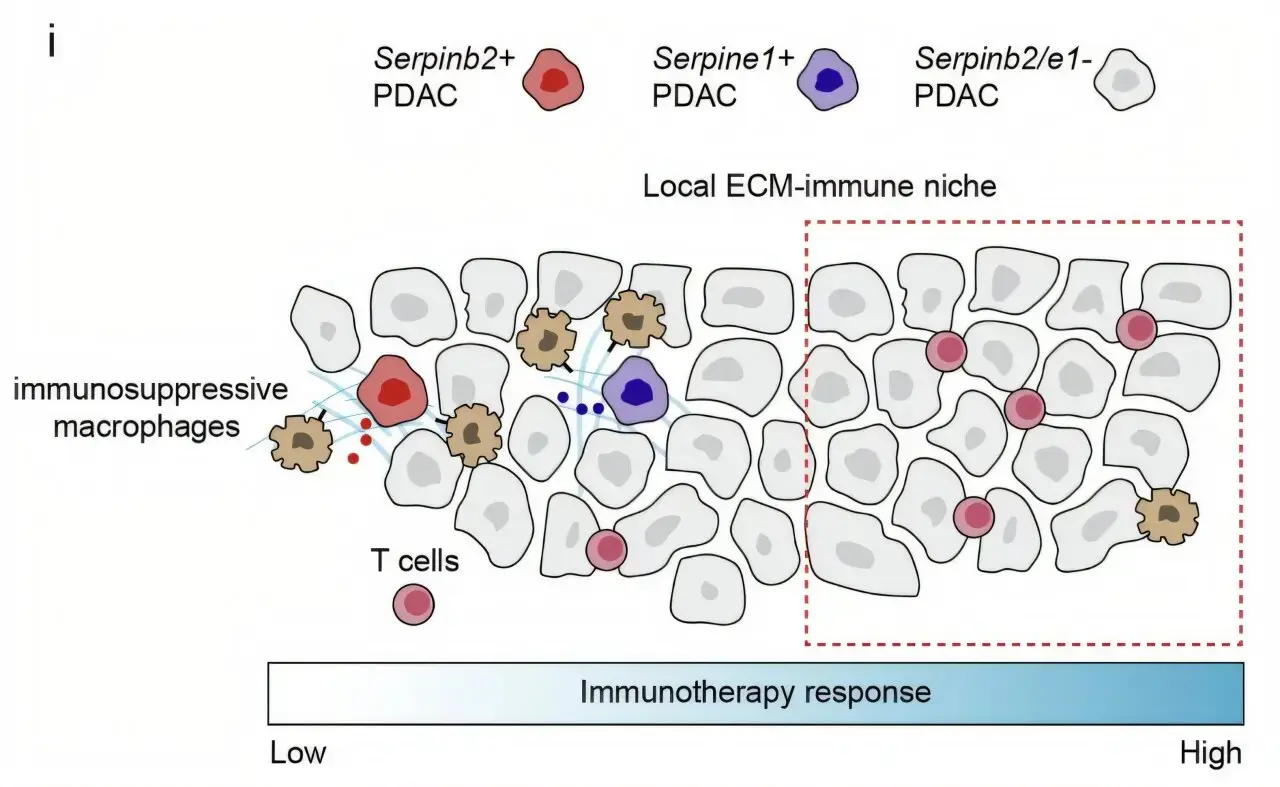 Pancreatic Cancer Hijacks Blood-Clotting System to Evade Immune Attack
 Survey Reveals Most Men Unaware Dairy May Increase Prostate Cancer Risk
The study revealed that semaglutide not only prolonged life but also slowed key aging processes, including metabolic decline and cellular deterioration. Researchers noted improved insulin sensitivity, reduced inflammation, and better maintenance of muscle mass and cognitive function in treated mice. These effects suggest the drug may influence fundamental biological pathways associated with aging, beyond its known actions on appetite and glucose regulation. The findings build on prior evidence linking GLP-1 activation to longevity in model organisms.
Could These Findings Translate to Human Longevity?
Scientists propose that semaglutide may activate cellular repair mechanisms and reduce oxidative stress, thereby delaying age-related damage. By mimicking the hormone GLP-1, the drug appears to enhance mitochondrial function and promote autophagy—the process by which cells remove damaged components. These actions could explain the observed improvements in tissue health and resilience. While the exact molecular targets remain under investigation, the data indicate a broad impact on systemic aging rather than isolated effects on weight or blood sugar.
Although results in mice are encouraging, researchers caution that extending lifespan in humans is far more complex and requires long-term clinical trials. The study did not assess whether semaglutide prevents age-related diseases like cancer or neurodegeneration, only that it improved overall healthspan. Experts emphasize that lifestyle factors remain critical and that any potential anti-aging use would require careful risk-benefit analysis. Still, the work opens a new avenue for exploring repurposed medications in aging research.
What is semaglutide and how is it currently used? Semaglutide is a GLP-1 receptor agonist approved for treating type 2 diabetes and obesity. It works by regulating appetite and blood sugar levels through hormonal pathways in the gut and brain.
Frequently Asked Questions
Did the treated mice show any side effects from long-term semaglutide use? The study reported no significant adverse effects in the mice receiving semaglutide over the observation period. However, long-term safety in aging models continues to be monitored.
Is semaglutide being tested in humans for anti-aging purposes? As of now, semaglutide is not approved or widely studied as an anti-aging treatment in humans. Any such use remains experimental and confined to clinical research settings.
Content written by Dr. Elena Voss for wellness-bio-radar.com editorial team, AI-assisted.