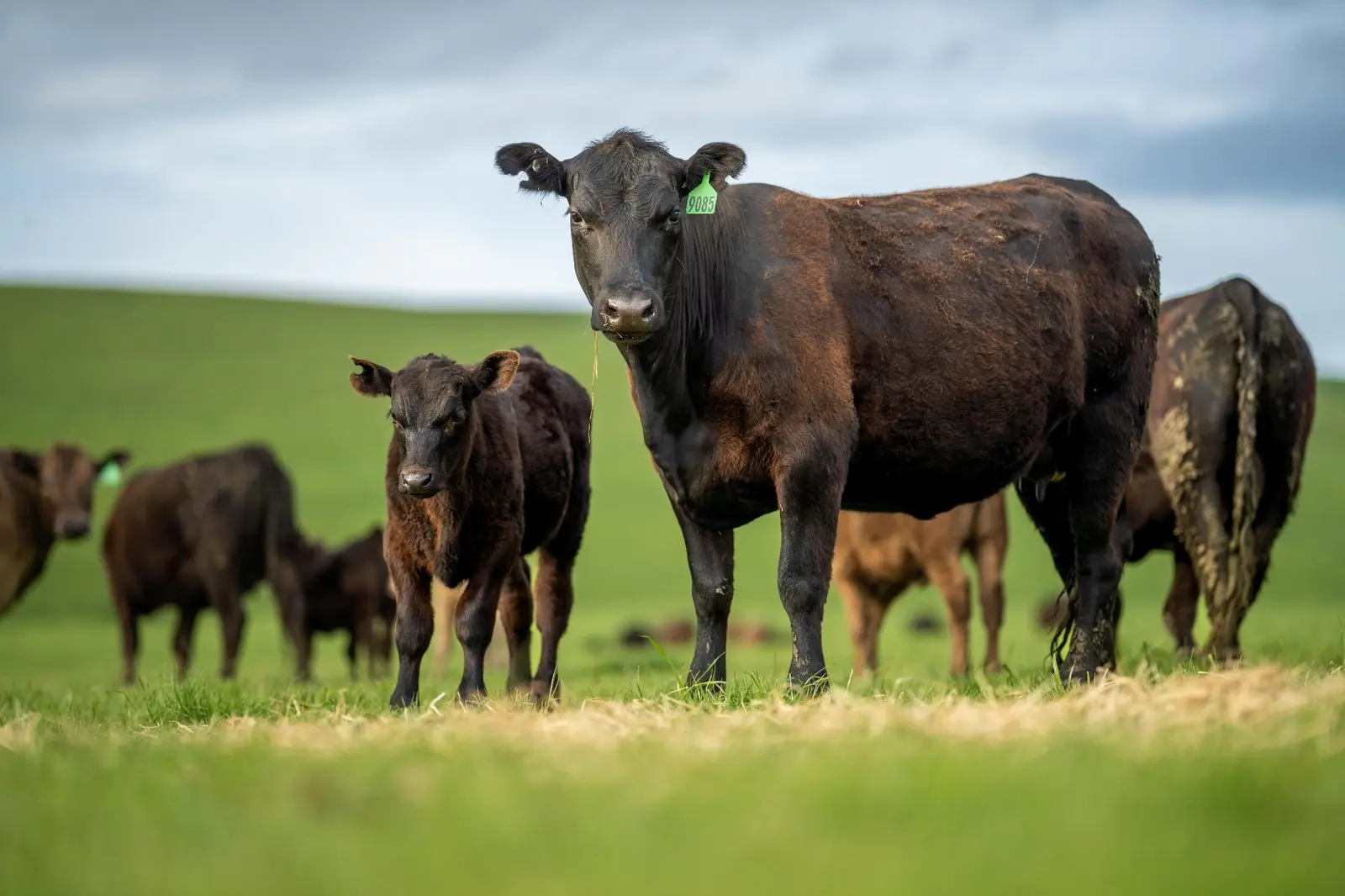
Beef’s Place in Healthy Diets Weighs Against Environmental Costs
Nutritional Benefits Versus Ecological Footprint
Researchers recently published a comprehensive narrative review in the journal Animal Frontiers. The study examines how beef fits within modern dietary guidelines while addressing ecological concerns. Experts analyzed both nutritional benefits and environmental impacts. This synthesis aims to clarify the role of red meat in future food systems. The findings highlight complex trade-offs between health and sustainability goals for consumers worldwide.
Health news
 Semaglutide And Teduglutide Protect Mouse Intestines From Immune Damage
 Cancer Drug Halts Fragile Brain Bleeds
 Psilocybin Linked to Reduced Inflammation in Parkinson’s Study
 Scientists Reveal How Missing Gene Halts Brain Development in Angelman Syndrome
The review synthesizes current scientific evidence on beef consumption. It addresses debates regarding protein quality and cardiovascular health. Researchers note that beef provides essential nutrients often lacking in plant-based alternatives. These include vitamin B12, iron, and zinc. However, the production process generates significant greenhouse gases. Methane emissions from cattle remain a primary driver of climate change. Land use requirements also strain global agricultural resources. The study argues that moderate consumption can align with health targets. Yet, large-scale production poses challenges for long-term environmental stability. Balancing these factors requires nuanced dietary strategies rather than blanket restrictions.
The analysis confirms that beef supports high-quality protein intake. It helps prevent deficiencies in key micronutrients. For many populations, it remains a reliable source of bioavailable energy. Heart health outcomes show mixed results depending on preparation methods. Lean cuts tend to perform better in clinical studies. Conversely, fatty varieties may elevate certain lipid markers. The review emphasizes that context matters significantly. Individual metabolic responses vary widely among different demographic groups. Therefore, one-size-fits-all recommendations often fail to capture reality. Dietary patterns matter more than isolated food choices. Integrating beef into diverse meals reduces potential negative effects. This approach supports overall nutritional adequacy without excessive risk.
Can Sustainable Practices Resolve the Beef Dilemma?
Environmental metrics reveal substantial resource demands. Cattle farming occupies vast areas of arable land. Water usage exceeds that of most other livestock sectors. Nitrogen runoff contributes to local water pollution issues. Carbon footprints vary based on grazing management practices. Improved techniques can lower emission rates per unit of product. Technology innovations offer pathways for reduction. Precision feeding and manure management show promise. These advancements could decouple growth from environmental harm. Policy frameworks must incentivize such changes effectively. Collaboration between farmers and scientists accelerates progress. Consumer awareness drives market demand for greener options. Transparency in supply chains builds trust. Clear labeling helps shoppers make informed decisions daily.
Future food systems depend on adaptive strategies. The review suggests that elimination is not necessary for everyone. Moderate inclusion preserves nutritional diversity for many individuals. However, total production volumes need careful management. Shifting toward efficient breeds improves output efficiency. Agroforestry systems integrate trees with pastureland. This method sequesters carbon while supporting animal welfare. Soil health benefits from rotational grazing practices. These methods enhance biodiversity and resilience. Economic incentives encourage adoption of sustainable models. Government subsidies play a crucial role here. Research funding continues to expand in this sector. New data will refine existing models further. Stakeholders must collaborate across disciplines. Academic institutions, industry leaders, and policymakers share responsibility. Their joint efforts shape the next decade of food policy.
The outlook remains cautiously optimistic. Beef will likely persist in global diets. Its cultural significance ensures continued demand. Health professionals advise mindful portion sizes. Environmental scientists call for systemic improvements. Consumers hold power through purchasing habits. Choosing certified sustainable products influences supply chains. Education campaigns reduce confusion among shoppers. Clear messaging bridges the gap between science and public understanding. The path forward requires balance. Neither extreme restriction nor unchecked expansion serves all interests. A middle ground offers the best chance for success. Future reviews will track implementation progress closely. Data collection remains a priority for accuracy. Continuous evaluation ensures recommendations stay relevant. Society moves closer to harmonizing taste, health, and planet.
Frequently Asked Questions
Does beef provide unique nutrients found nowhere else? While rare, beef offers highly bioavailable forms of heme iron and vitamin B12. These nutrients are difficult to obtain in sufficient quantities from plant sources alone.
How does methane emission affect climate targets? Cattle digestion releases potent greenhouse gases that accelerate warming trends. Reducing these emissions is critical for meeting international climate agreements.
Is moderate consumption safe for heart health? Current evidence suggests moderate intake of lean beef does not significantly increase risk. Preparation methods and overall diet composition influence final outcomes.
Content written by Dr. Elena Voss for wellness-bio-radar.com editorial team, AI-assisted.