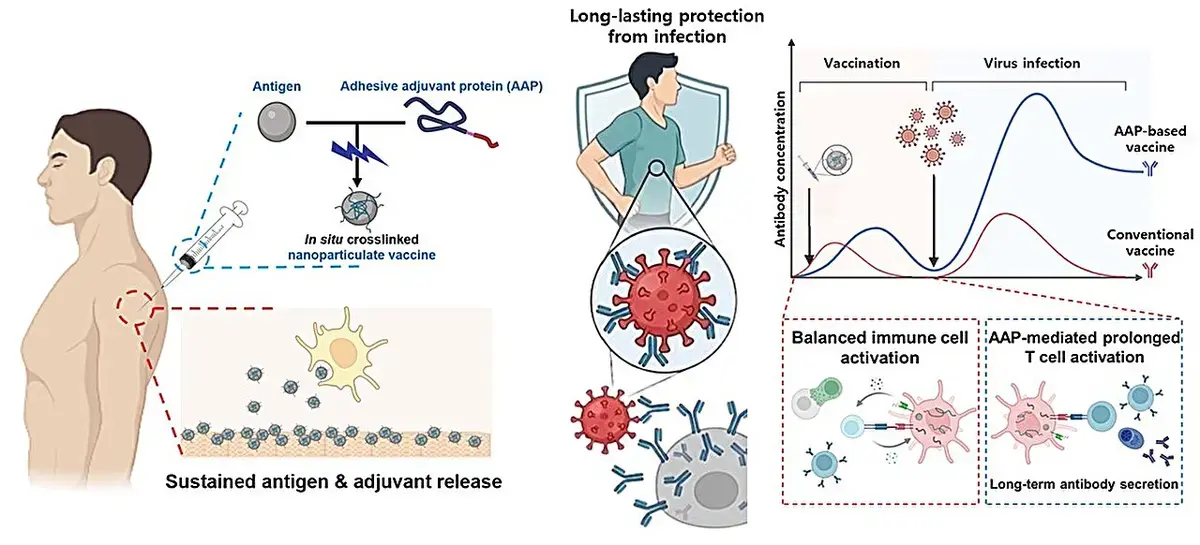
Mussel-Inspired Vaccine Offers Long-Lasting Immune Protection
A New Era in Vaccine Development
Researchers in Korea have developed a new vaccine technology that provides long-lasting immune protection from a single dose. The team drew inspiration from mussels' underwater adhesion mechanism. This breakthrough could reduce the need for repeat vaccinations and improve access to vaccines in hard-to-reach areas.
Health news
 Sleep May Be the Heart's Nightly Repair Window, Study Suggests
 APOE Genotype Influences How Well Blood Tau Protein Predicts Cognitive Decline
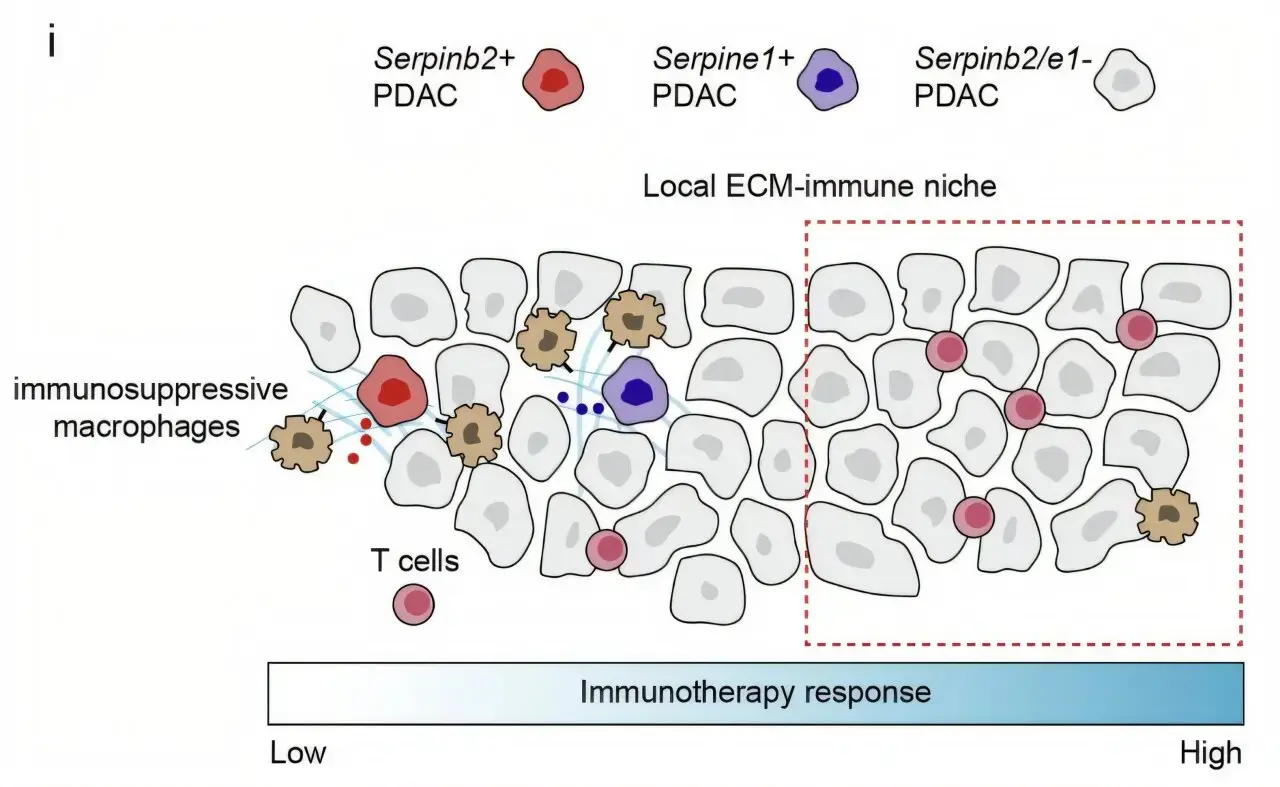 Pancreatic Cancer Hijacks Blood-Clotting System to Evade Immune Attack
 Survey Reveals Most Men Unaware Dairy May Increase Prostate Cancer Risk
The innovative vaccine technology mimics the way mussels stick to underwater surfaces. By applying this mechanism, the researchers created a vaccine that delivers sustained immune protection. This could be particularly beneficial for people in areas with limited access to healthcare.
Can This Vaccine Revolutionize Global Immunization?
The mussel-inspired vaccine has shown promising results in delivering long-lasting immune protection. The technology has the potential to simplify vaccination schedules and reduce the burden on healthcare systems. By minimizing the need for booster shots, it could also increase vaccine uptake in regions with limited resources.
The researchers' work is gaining attention for its potential to close the immunization gap. With a single dose providing long-term protection, the vaccine could be a game-changer for global health. The team is working to further develop and test the technology.
Frequently Asked Questions
The mussel-inspired vaccine has the potential to make a significant impact on global health. By providing long-lasting immune protection from a single dose, it could help to increase vaccine coverage and reduce the spread of diseases. As the technology continues to be developed and refined, it may become a valuable tool in the fight against infectious diseases.
The development of this vaccine technology is a significant step forward in the quest to improve global immunization. With its potential to simplify vaccination schedules and increase access to vaccines, it could have far-reaching consequences for public health.
Content written by Claire Ashworth for wellness-bio-radar.com editorial team, AI-assisted.