Coral-Inspired Material Repairs Bone by Retraining Immune Cells
Innovative Scaffold Mimics Natural Bone Growth
A new bone regeneration technique shows promise for patients suffering from steroid-induced osteonecrosis. Researchers developed a special scaffold that helps regrow bone by changing how immune cells behave. This could offer a new solution for a debilitating condition.
Health news
 Sleep May Be the Heart's Nightly Repair Window, Study Suggests
 APOE Genotype Influences How Well Blood Tau Protein Predicts Cognitive Decline
 Pancreatic Cancer Hijacks Blood-Clotting System to Evade Immune Attack
 Survey Reveals Most Men Unaware Dairy May Increase Prostate Cancer Risk
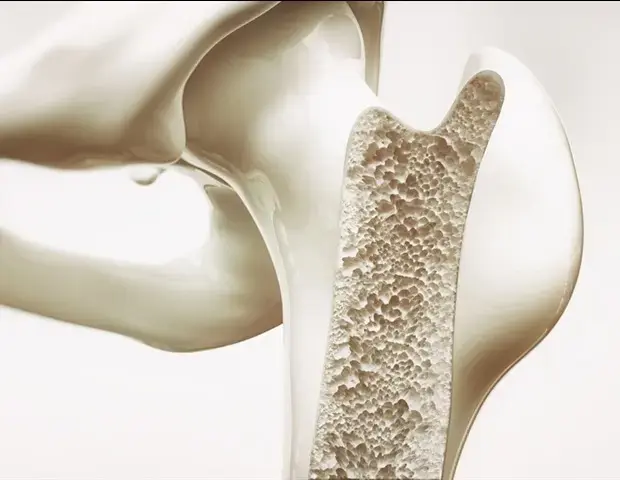
Steroid-induced osteonecrosis of the femoral head (SONFH) is a significant health problem. It affects many individuals who undergo long-term or high-dose steroid treatments. The condition causes the hip bone to weaken over time.
The innovative scaffold is inspired by the structure of coral. It provides a framework for new bone tissue to form. This biomaterial is designed to actively participate in the healing process. It doesn't just act as a passive support.
How Does This Scaffold Improve Healing?
The scaffold works by influencing the body's immune response. It helps to reprogram immune cells at the injury site. These reprogrammed cells then promote bone regeneration. This approach addresses the underlying issues hindering repair.
The condition can lead to severe joint damage. In many cases, it results in the collapse of the hip joint. Current treatments often involve complex surgeries. These procedures do not always guarantee full recovery.
The scaffold's unique design encourages specific immune cells, like macrophages, to change their function. Instead of causing inflammation, they shift to a pro-healing state. This change is crucial for effective bone repair. It creates a more favorable environment for new bone to grow.
This research offers hope for improved outcomes in SONFH patients. It could reduce the need for extensive surgeries. The method represents a significant step forward in regenerative medicine. It focuses on harnessing the body's own healing capabilities.
Frequently Asked Questions
What is steroid-induced osteonecrosis of the femoral head (SONFH)? SONFH is a condition where bone tissue in the hip joint dies due to a lack of blood supply. It often occurs in patients receiving prolonged or high-dose glucocorticoid therapy, leading to bone weakening and potential joint collapse.
How does the coral-inspired scaffold work? The scaffold acts as a structural support for new bone growth and actively reprograms immune cells at the injury site. This reprogramming shifts immune cells from an inflammatory state to one that promotes bone regeneration, facilitating healing.
What are the potential benefits of this new treatment? This new approach could offer a more effective way to repair bone damage caused by SONFH. It may reduce the need for invasive surgeries and improve long-term outcomes for patients by leveraging the body's natural healing mechanisms.
Content written by Marcus Reid for wellness-bio-radar.com editorial team, AI-assisted.