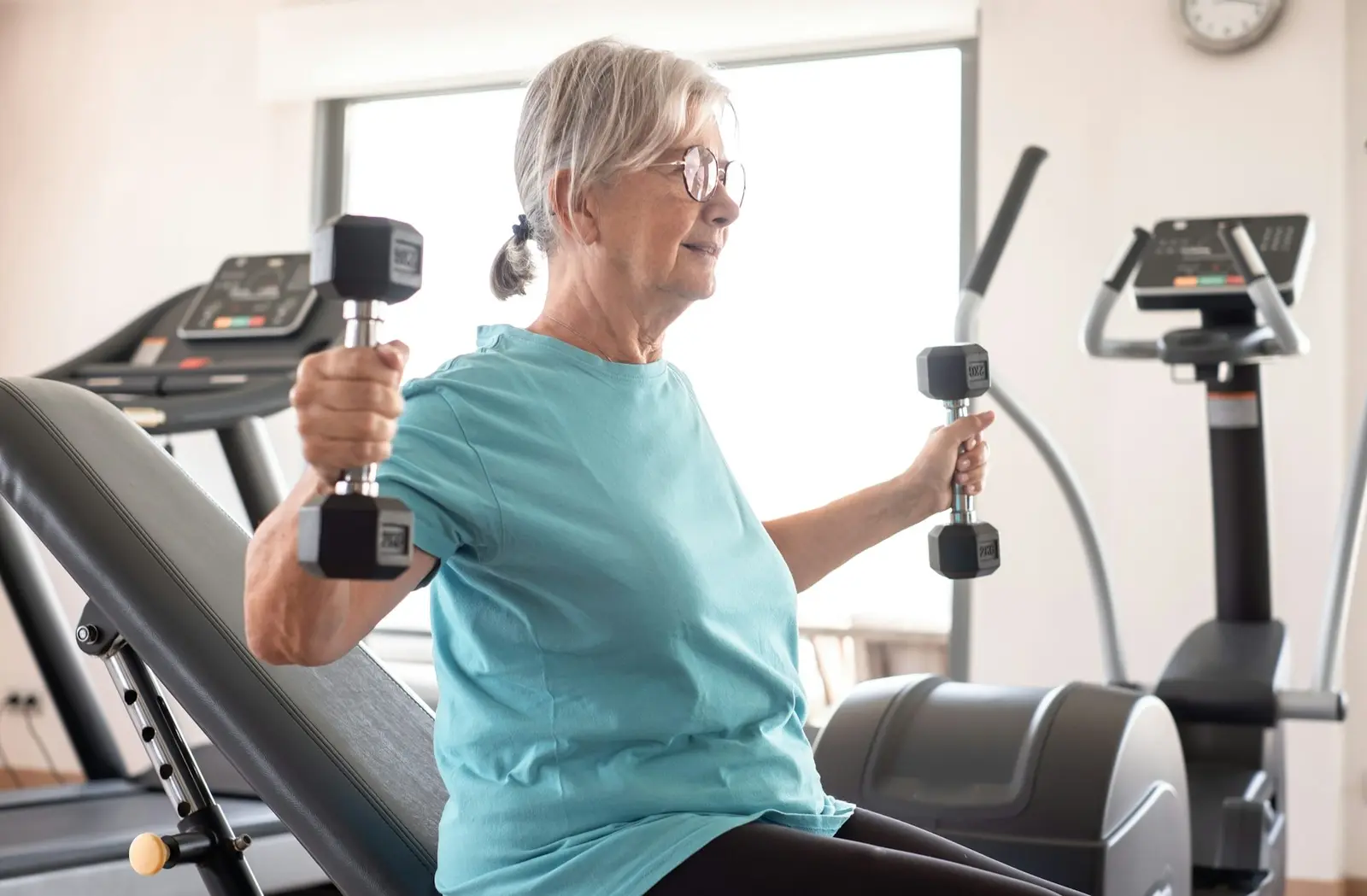
Strength Training Boosts Brain Power and Self-Assurance in Seniors
Mastering Neuromuscular Coordination
A recent clinical trial investigated the cognitive and psychological benefits of resistance training among older adults, discovering that lifting weights improves not only physical capacity but also mental sharpness and personal confidence through complex neuromuscular coordination.
Health news
 Exercise and Mood: Italian Study Links Physical Activity to Lower Depression Symptoms
 Screen Time in Childhood Linked to Unexpected Cognitive Boost in Teens, 8‑Year Study Shows
 Workplace stress and anxiety are taking a heavy toll on employees, with one in three workers reporting that the strain is not easing
 Daily Food Habit Tied to Lower Risk of Anxiety and Depression
Everyday physical tasks like standing up or carrying heavy groceries require sophisticated communication between the brain and skeletal muscles. Researchers wanted to understand if structured weightlifting could enhance this neural pathway while simultaneously improving psychological well-being in aging populations.
Weightlifting demands intense focus, balance, and precise timing alongside raw muscular force. As participants practiced lifting weights, their nervous systems adapted rapidly. This process strengthened the connections responsible for controlling movement patterns.
How Does Lifting Weights Transform Cognitive Health?
The trial demonstrated that these physical improvements translated directly into daily life. Participants reported feeling more secure in their physical abilities. This newfound capability reduced everyday anxieties related to mobility and physical independence.
Lifting heavy objects challenges the brain to map out spatial awareness and monitor force exertion continuously. This mental engagement stimulates neurological pathways that often degrade with age, offering a protective effect against cognitive decline.
Frequently Asked Questions
Experts emphasize that strength workouts serve as a dual-stimulus activity. They build robust muscle fibers while keeping the brain agile through persistent learning and physical adaptation.
What specific benefits did older adults experience during the trial? Participants showed noticeable improvements in muscle coordination, mental sharpness, and overall self-assurance when performing daily tasks.
Why is weightlifting effective for the aging brain? Lifting weights requires complex communication between the nervous system and muscles, which actively stimulates and preserves neurological pathways.