Community Program Boosts Brain Health and Nutrition in Japanese Seniors
Integrating Mental Focus and Dietary Habits
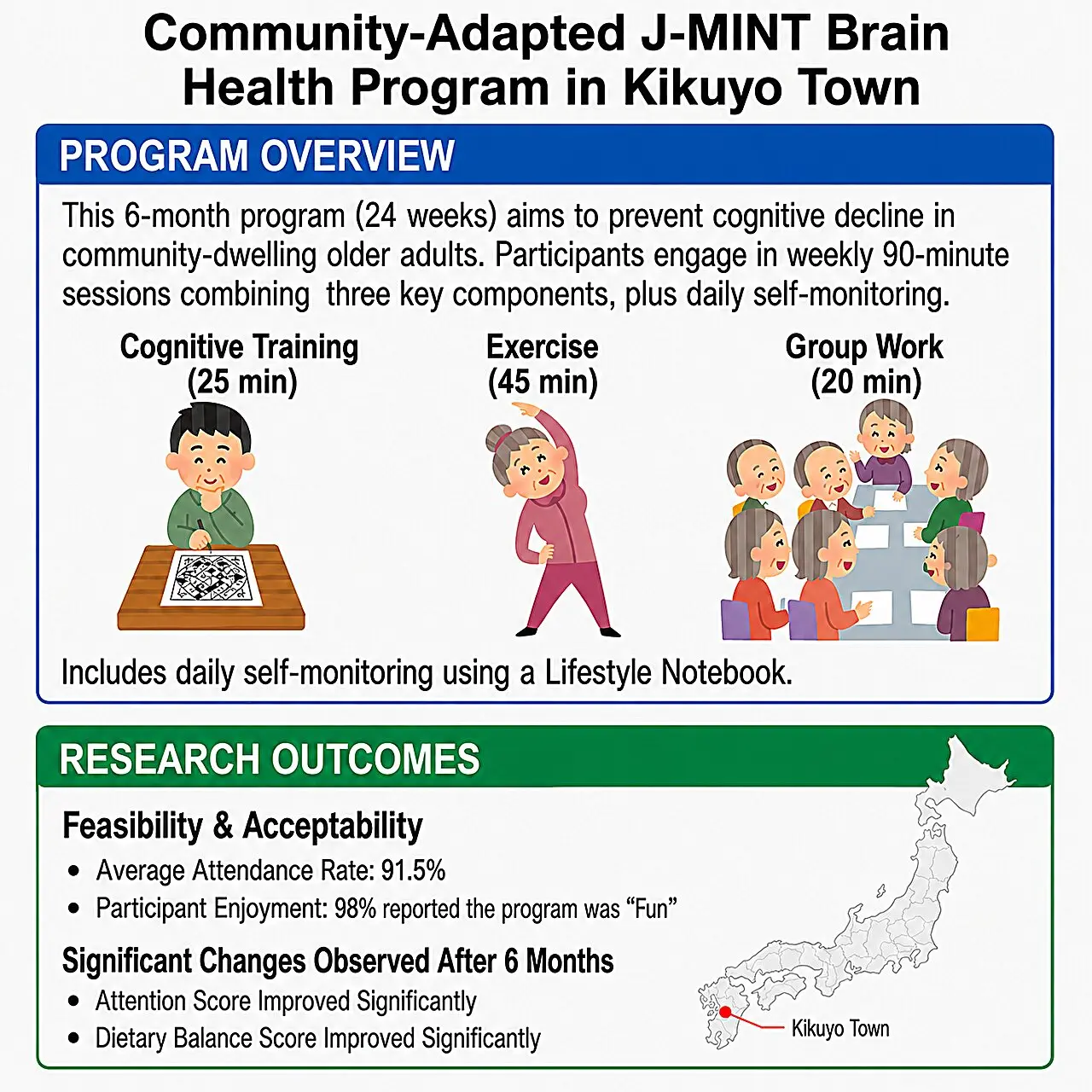
A six-month municipal health initiative in Kikuyo Town, Japan, has successfully improved cognitive focus and eating habits among older adults. The multidomain intervention targeted aging residents to combat cognitive decline and reduce the growing burden on global healthcare systems.
Health news
 APOE Genotype Influences How Well Blood Tau Protein Predicts Cognitive Decline
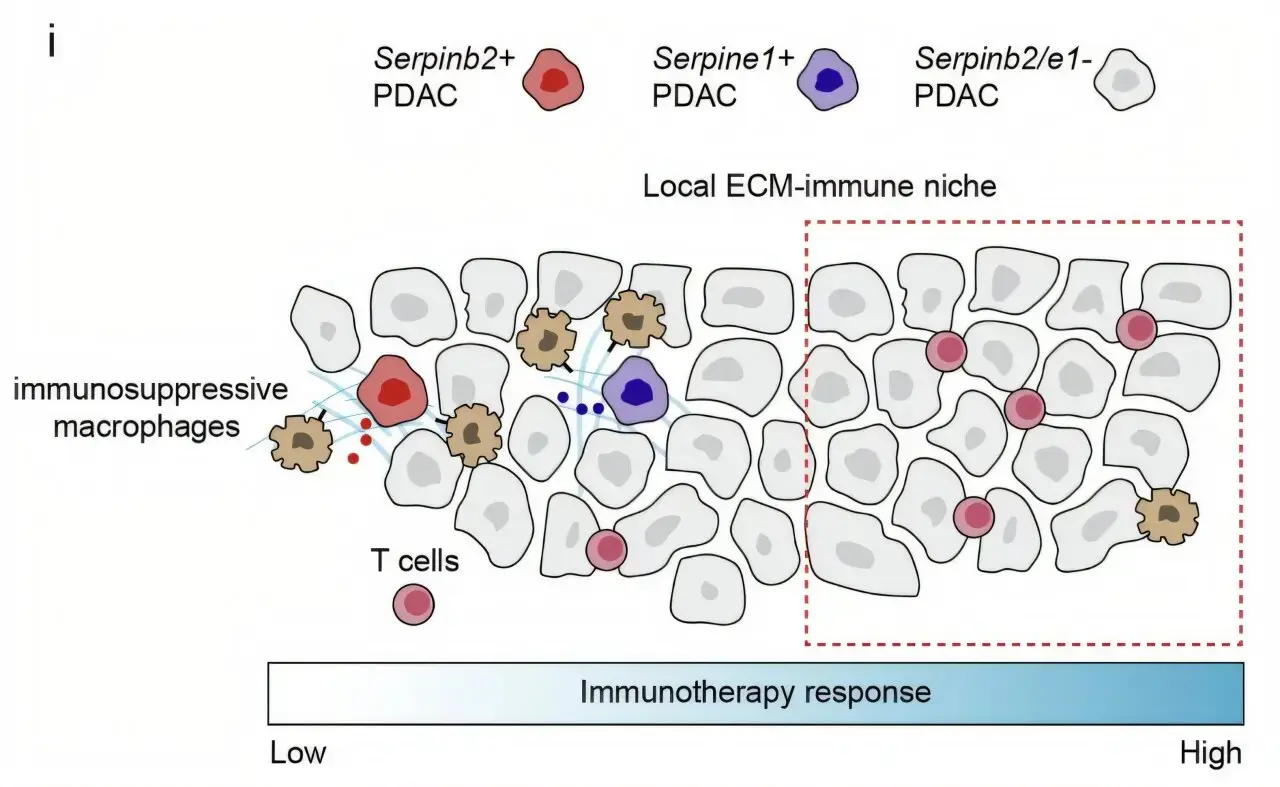 Pancreatic Cancer Hijacks Blood-Clotting System to Evade Immune Attack
 Survey Reveals Most Men Unaware Dairy May Increase Prostate Cancer Risk
 Therapeutic Gardening Shows Promise for Mental Health in Adults with Chronic Illnesses
The program combined various lifestyle interventions to create a holistic approach to aging. Participants engaged in a structured regimen designed to stimulate the mind while improving physical well-being through better nutrition.
The study focused on a multidomainstrategy, meaning it attacked aging from several angles simultaneously. By pairing cognitive exercises with nutritional guidance, the program sought to create a synergistic effect.
Researchers found that participants showed significant gains in attention scores. These improvements suggest that community-based activities can effectively sharpen mental clarity in seniors.
Can Local Interventions Prevent Cognitive Decline?
The initiative also led to better diet scores. Participants adopted healthier eating patterns, which are critical for maintaining brain function and preventing chronic diseases in later life.
The success of the Kikuyo Town project suggests that scalable, community-led programs are viable alternatives to clinical treatments. These interventions are easier to implement across large populations.
By focusing on prevention, cities can lower the long-term costs of elderly care. The findings indicate that social engagement and dietary discipline are powerful tools against age-related mental decay.
Frequently Asked Questions
Future health policies may shift toward these municipal models to ensure older adults remain independent and mentally sharp for longer periods.
What were the primary benefits of the program? Participants experienced improved attention spans and better overall nutrition scores. These changes contribute to better cognitive health and physical resilience.
Where did this study take place? The intervention was conducted in Kikuyo Town, Japan, as a municipal effort to support the local aging population.
How long did the intervention last? The community program ran for a total of six months to measure the impact of the lifestyle changes.
Content written by Dr. Nathan Cole for wellness-bio-radar.com editorial team, AI-assisted.