Understanding Garmin's Recovery Time Estimates After Workouts
What Factors Influence Recovery Time Estimates?
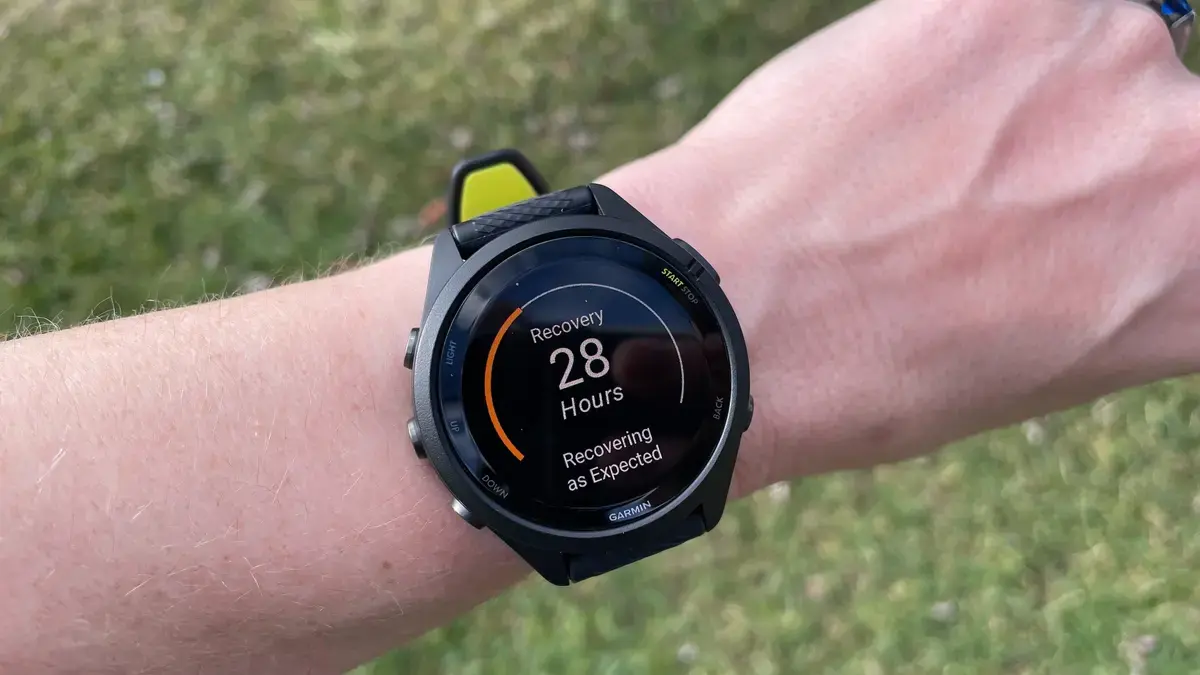
Garmin fitness watches provide users with a recovery timeestimate following workouts. After a recent run, my watch indicated I would need 21 hours to fully recover. This has raised questions about what these recovery times really mean for athletes. These estimates can often seem excessive. Many users might wonder if they truly need to wait such long periods before engaging in their next workout. However, Garmin's recovery time is based on various factors, including workout intensity and individual fitness levels. It's designed to help athletes optimize their training schedules and avoid overtraining.
Health news
 Ethical Decision-Making for Mental Health Professionals Using Large Language Models
 AI Discovers Hidden Health Data in Everyday CT Scans
 Ultra‑Processed Food Drives Up National Health Costs by $360,000 a Year
 Scientists engineer CAR-NK immune cells directly inside the body using mRNA nanoparticles
Garmin's algorithm takes into account the duration and intensity of each workout. For instance, a high-intensity interval training session might result in a longer recovery time compared to a leisurely jog. The watch also considers the user’s overall fitness level, recent training load, and even sleep patterns.
Should You Trust Garmin's Recovery Time?
This means that while the watch may suggest a lengthy recovery period, it doesn't imply that you are unfit or incapable of exercising sooner. Instead, it serves as a guideline to help manage your training effectively. Many athletes find that they can resume activities sooner than the watch recommends, based on how they feel.
While Garmin’s estimates are useful, they are not absolute. Each athlete's body responds differently to exercise. Some may feel ready to train again much earlier than the suggested recovery time. Listening to your body is crucial. If you feel fatigued or sore, it may be wise to heed the watch's advice. Conversely, if you're feeling strong, you might choose to engage in light activity sooner.
Ultimately, Garmin's recovery time feature aims to promote a balanced approach to fitness. It encourages athletes to prioritize rest and recovery, which are essential for long-term performance. Ignoring these recommendations could lead to fatigue or injury.
Frequently Asked Questions
How accurate are Garmin's recovery time estimates? The estimates are based on a combination of workout intensity, duration, and individual fitness metrics. While they provide a helpful guideline, personal feelings and fitness levels should also be considered.
Can I exercise before the recovery time is up? Yes, many athletes find they can resume training before the suggested time. It's important to listen to your body and assess how you feel before deciding to work out again.
Content written by Marcus Reid for wellness-bio-radar.com editorial team, AI-assisted.