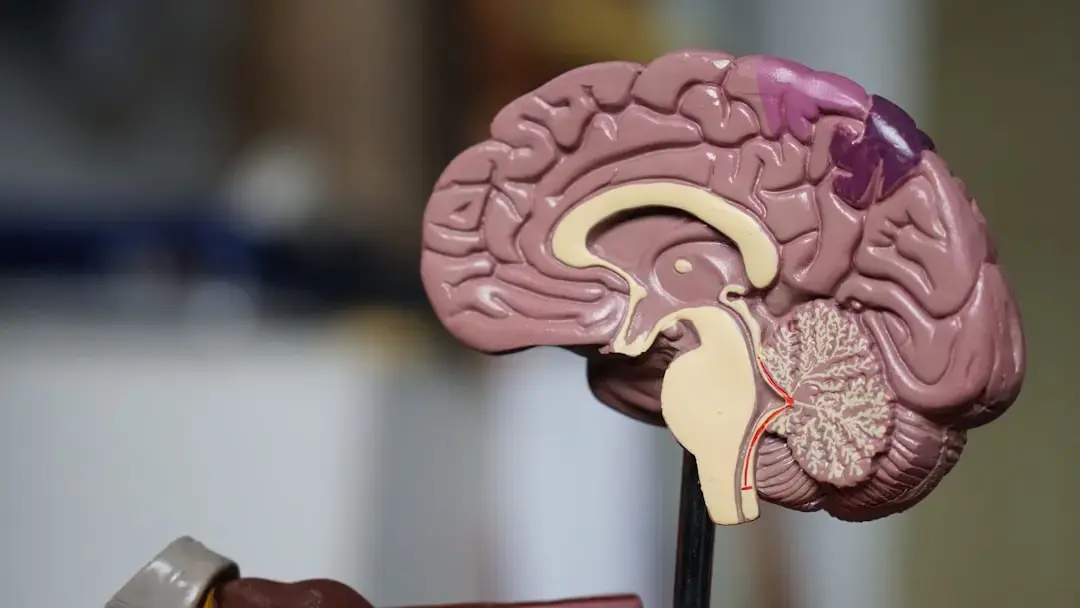
Understanding Brain Strokes and Urgent Care
Recognizing the Sudden Onset of Stroke Symptoms
A brain stroke represents a critical medical emergency. It happens when blood supply to the brain is cut off or when bleeding occurs within the brain itself. This interruption can severely impact vital bodily functions. Swift recognition of symptoms and immediate medical intervention are crucial for better outcomes.
Health news
 Sleep May Be the Heart's Nightly Repair Window, Study Suggests
 APOE Genotype Influences How Well Blood Tau Protein Predicts Cognitive Decline
 Pancreatic Cancer Hijacks Blood-Clotting System to Evade Immune Attack
 Survey Reveals Most Men Unaware Dairy May Increase Prostate Cancer Risk
The brain manages nearly all bodily processes. Therefore, any damage from a stroke can impair movement, speech, memory, and coordination. The severity of these effects depends on the stroke's location and extent. Early diagnosis and treatment are key to minimizing long-term disability.
Identifying stroke warning signs quickly is paramount. Common indicators include sudden numbness or weakness, especially on one side of the body. Vision changes, sudden confusion, trouble speaking, or difficulty understanding speech are also red flags. A sudden, severe headache with no known cause can also signal a stroke.
Why is Rapid Medical Attention So Important?
These symptoms often appear without warning. Acting fast is essential for anyone experiencing them. Every minute counts in preserving brain tissue and function. Emergency services should be contacted immediately.
Time is brain in stroke cases. The longer blood flow is disrupted, the more brain cells die. Emergency treatments, such as clot-busting medications, are most effective when given within a few hours of symptom onset. These interventions can restore blood flow and limit damage.
Specialized stroke units offer comprehensive care. They provide advanced diagnostics and therapies. Rehabilitation often begins soon after the stroke. This helps patients regain lost abilities and improve their quality of life.
Frequently Asked Questions
What causes a brain stroke? A stroke is caused by either a blockage in a blood vessel supplying the brain (ischemic stroke) or by a blood vessel rupturing and bleeding into the brain (hemorrhagic stroke). Both types deprive brain cells of oxygen and nutrients.
Can a stroke be prevented? Many strokes are preventable. Managing risk factors like high blood pressure, high cholesterol, diabetes, and smoking significantly reduces the likelihood of having a stroke. A healthy lifestyle, including diet and exercise, is also important.
What are the long-term effects of a stroke? Long-term effects vary widely depending on the stroke's severity and location. They can include weakness or paralysis, speech difficulties, memory problems, and emotional changes. Rehabilitation therapy can help manage these challenges.
Content written by Marcus Reid for wellness-bio-radar.com editorial team, AI-assisted.