
Early Detection Saves Lives in Perinatal Heart Failure
Identifying High-Risk Patients
Pregnant or postpartum women are at risk of heart failure, a condition that can lead to serious complications if not detected early. The American Heart Association has issued a new scientific statement highlighting the importance of timely treatment. Heart failure during this period is a significant concern.
Health news
 Sleep May Be the Heart's Nightly Repair Window, Study Suggests
 APOE Genotype Influences How Well Blood Tau Protein Predicts Cognitive Decline
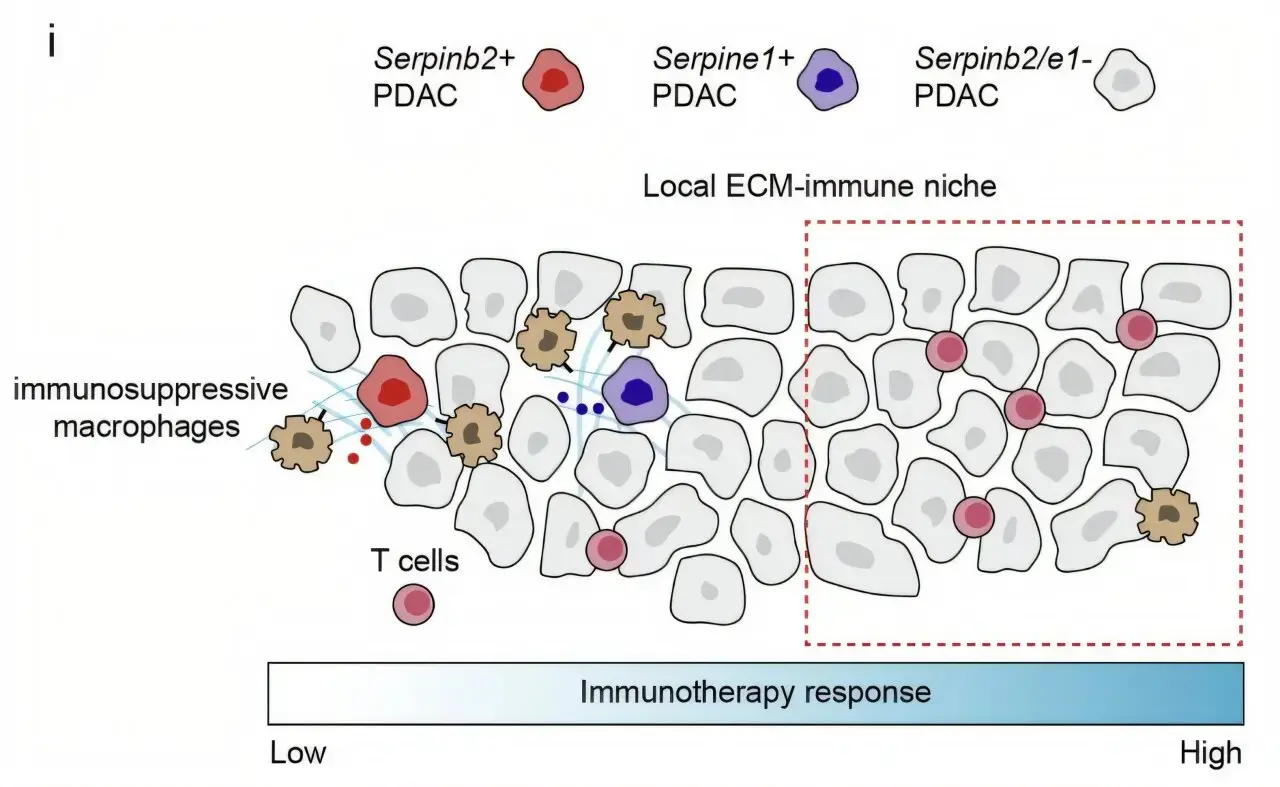 Pancreatic Cancer Hijacks Blood-Clotting System to Evade Immune Attack
 Survey Reveals Most Men Unaware Dairy May Increase Prostate Cancer Risk
Heart failure in pregnant or postpartum women can be caused by various factors, including pre-existing heart conditions, high blood pressure, and fluid overload. The condition can lead to irregular heartbeat, stroke, and even death if left untreated. According to the American Heart Association, early detection and treatment are crucial to preventing these complications.
Can Perinatal Heart Failure be Prevented?
Women with a history of heart disease, hypertension, or previous heart failure are at higher risk of developing perinatal heart failure. Other risk factors include multiple pregnancies and a family history of heart conditions. Healthcare providers should closely monitor these patients for signs of heart failure, such as shortness of breath and swelling.
The American Heart Association's scientific statement emphasizes the need for a multidisciplinary approach to managing perinatal heart failure. This includes collaboration between obstetricians, cardiologists, and other healthcare professionals to provide comprehensive care.
While some risk factors cannot be avoided, early detection and treatment can significantly reduce the risk of complications. Women with identified risk factors should be closely monitored, and healthcare providers should be aware of the signs and symptoms of heart failure.
Frequently Asked Questions
If left untreated, perinatal heart failure can have devastating consequences, including maternal and fetal mortality. However, with timely treatment and proper care, the risk of complications can be significantly reduced.
What are the signs and symptoms of perinatal heart failure? Women should be aware of symptoms such as shortness of breath, fatigue, and swelling in the legs and feet. How is perinatal heart failure diagnosed? Diagnosis is typically made through a combination of physical examination, medical history, and diagnostic tests such as echocardiography. What is the treatment for perinatal heart failure? Treatment usually involves a combination of medications and lifestyle changes, with the goal of managing symptoms and preventing complications.
Content written by Claire Ashworth for wellness-bio-radar.com editorial team, AI-assisted.