
Abbreviated MRI Beats Ultrasound in Early Liver Cancer Detection
MRI’s Edge Over Ultrasound
A multicenter trial presented at the European Association for the Study of the Liver meeting in Paris on May 28 revealed that an enhanced abbreviated MRI (AMRI) protocol identified early liver tumours more accurately than standard ultrasonography in high‑risk patients. The study compared both methods across several hundred participants and measured detection rates, false‑positive referrals, and overall diagnostic confidence.
Health news
 Sleep May Be the Heart's Nightly Repair Window, Study Suggests
 APOE Genotype Influences How Well Blood Tau Protein Predicts Cognitive Decline
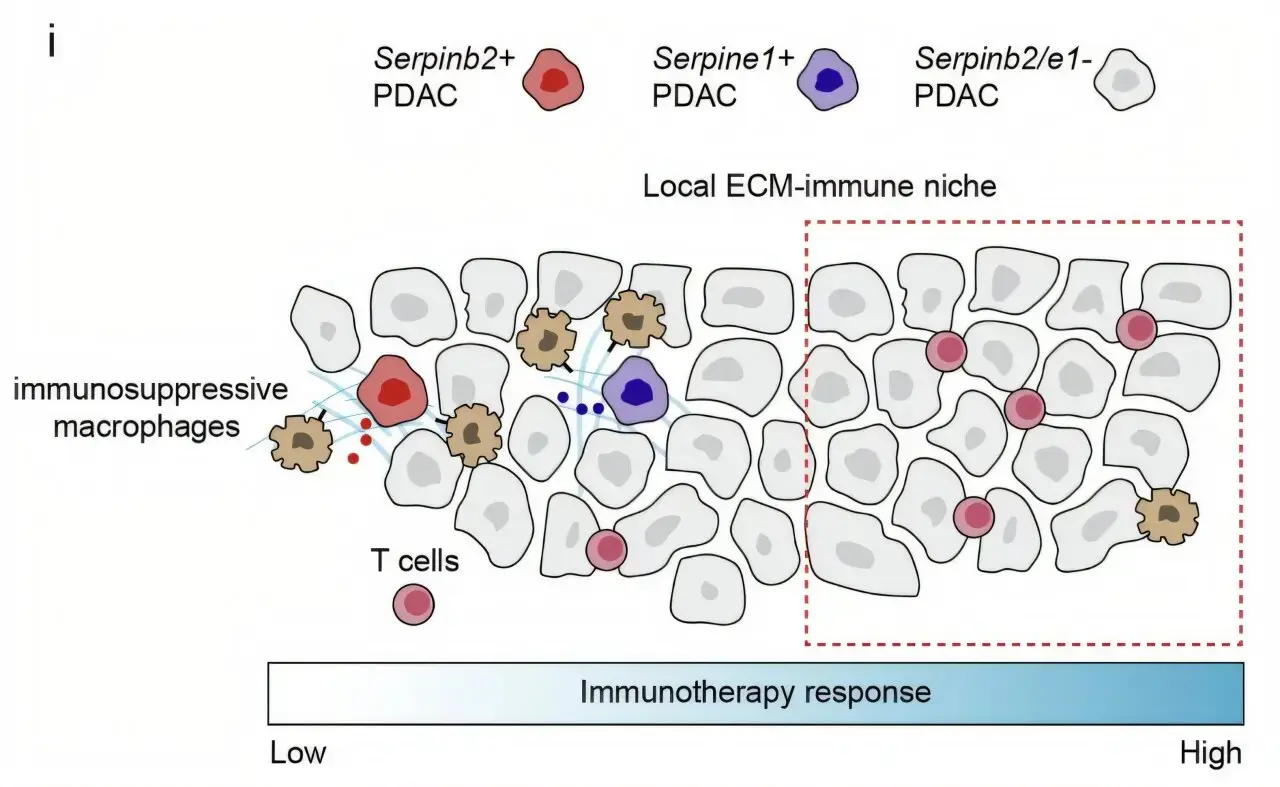 Pancreatic Cancer Hijacks Blood-Clotting System to Evade Immune Attack
 Survey Reveals Most Men Unaware Dairy May Increase Prostate Cancer Risk
Researchers aimed to address the long‑standing limitations of ultrasound, which can miss small lesions and generate unnecessary follow‑ups. AMRI combines a shortened scanning sequence with contrast enhancement, allowing radiologists to spot subtle vascular changes typical of early hepatocellular carcinoma. The trial showed a higher sensitivity for AMRI while maintaining comparable specificity, resulting in fewer patients being sent for additional testing.
The data indicated that AMRI detected early tumours in roughly 85 % of cases, compared with about 70 % for ultrasound. Dr. Elena Martínez, lead investigator, noted, „The contrast‑enhanced images reveal tumour blood flow patterns that ultrasound simply cannot capture.” Moreover, the number of false referrals dropped by nearly 30 % when AMRI was used, easing the burden on specialty clinics. Participants reported similar comfort levels with the abbreviated scan, which lasts less than ten minutes, and the protocol requires no additional equipment beyond standard MRI suites.
Can Ultrasound Keep Up With Modern Imaging?
Despite its convenience, ultrasound remains the first‑line tool in many screening programs because of cost and accessibility. Critics argue that widespread adoption of AMRI could strain imaging resources, especially in low‑income regions. However, proponents counter that the reduced need for follow‑up procedures may offset the higher upfront expense. Health economists estimate that each avoided false referral saves the system an average of $1,200 in downstream testing and patient anxiety.
The study’s authors suggest that guidelines may soon incorporate AMRI as a preferred option for patients with cirrhosis or chronic hepatitis B, where early detection dramatically improves survival. Ongoing trials will assess long‑term outcomes and cost‑effectiveness across diverse healthcare settings.
Frequently Asked Questions
What makes AMRI more sensitive than ultrasound? AMRI uses contrast agents that highlight abnormal blood vessels, making early tumours stand out against normal liver tissue, whereas ultrasound relies on sound waves that can miss small or poorly defined lesions.
Is the abbreviated MRI protocol safe for all patients? The protocol avoids lengthy scans and uses a low dose of contrast, making it suitable for most adults. Patients with severe kidney disease may need alternative imaging methods.
Will insurance cover AMRI for liver cancer screening? Coverage varies by region and insurer. As evidence mounts, many payers are reviewing policies to include AMRI for high‑risk groups, especially when it reduces costly follow‑up procedures.
Content written by Marcus Reid for wellness-bio-radar.com editorial team, AI-assisted.