Cancer Detection Breakthrough with Nanowire Device
Capturing Cancer Signals
Researchers in Japan have developed a new device that detects cancer quickly and with minimal invasion. It captures extracellular vesicles from bodily fluids. The team successfully tested the device, paving the way for early cancer diagnosis.
Health news
 Sleep May Be the Heart's Nightly Repair Window, Study Suggests
 APOE Genotype Influences How Well Blood Tau Protein Predicts Cognitive Decline
 Pancreatic Cancer Hijacks Blood-Clotting System to Evade Immune Attack
 Survey Reveals Most Men Unaware Dairy May Increase Prostate Cancer Risk
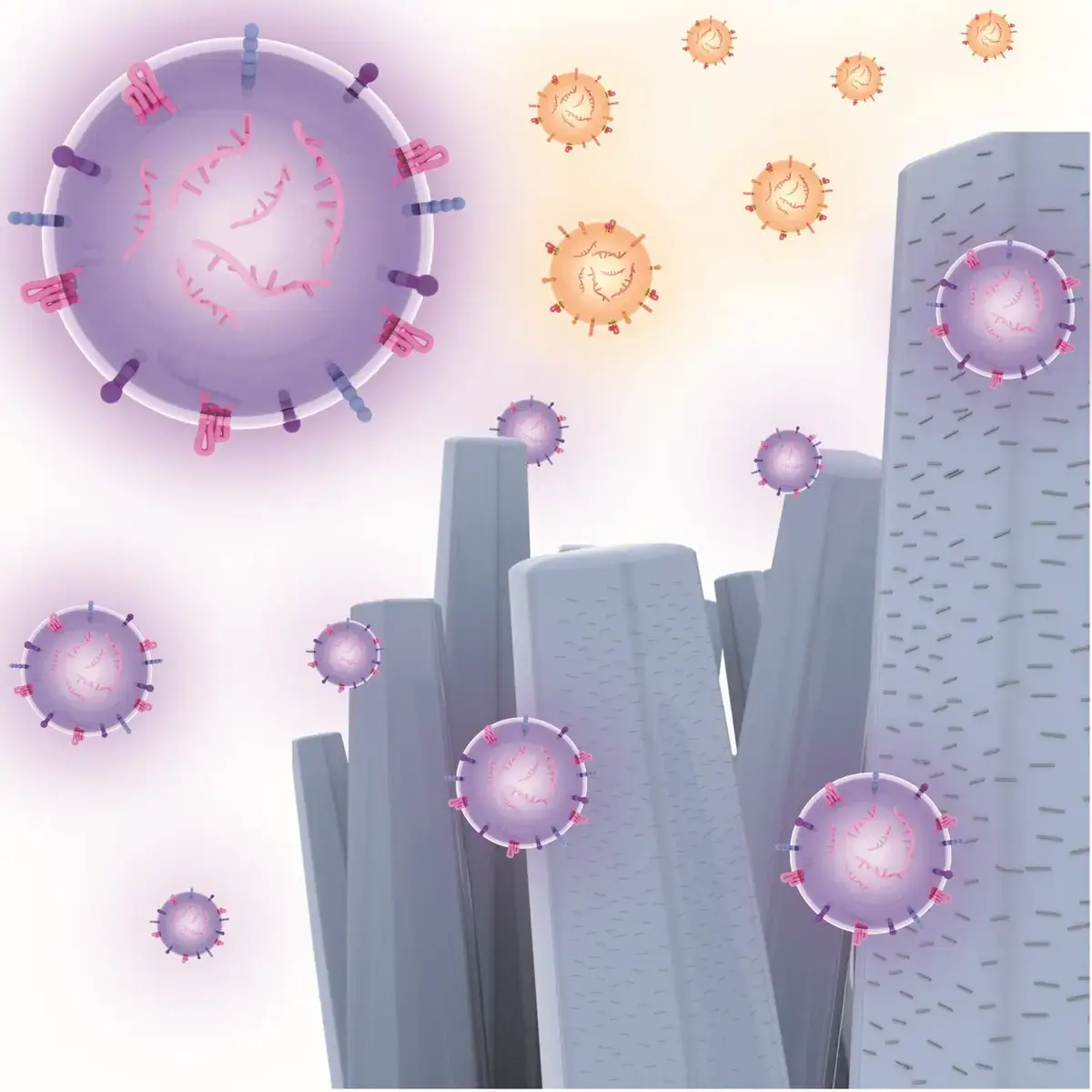
The device uses high-performance zinc oxide nanowires to selectively capture extracellular vesicles. These vesicles are tiny particles released by cells that can indicate cancer presence. By analyzing them, doctors can identify cancer at an early stage.
The nanowires are designed to capture specific extracellular vesicles related to cancer. The device's efficiency allows for rapid detection, making it a potential game-changer in cancer diagnosis. The researchers' innovative approach has shown promising results in initial tests.
Can Nanowires Revolutionize Cancer Diagnosis?
The team used bodily fluids to test the device, demonstrating its potential for noninvasive cancer detection. By capturing and analyzing extracellular vesicles, the device can help doctors diagnose cancer before symptoms appear.
The development of this device marks a significant step forward in cancer detection. If further research confirms its efficacy, it could lead to widespread adoption in medical practice. Early detection is crucial in cancer treatment, and this device may offer a reliable solution.
The introduction of this nanowire device could transform cancer diagnosis, enabling doctors to detect the disease at an early stage. This could lead to improved treatment outcomes and increased patient survival rates.
Frequently Asked Questions
What is the principle behind the nanowire device? The device uses zinc oxide nanowires to capture extracellular vesicles from bodily fluids, which can indicate cancer presence.
How does the device detect cancer? It analyzes extracellular vesicles captured by the nanowires to identify cancer-related markers.
What are the potential benefits of this technology? The device could enable early cancer detection, leading to timely treatment and improved patient outcomes.
Content written by Dr. Elena Voss for wellness-bio-radar.com editorial team, AI-assisted.