Ebola Outbreaks: A 50-Year Retrospective
Tracing the Origins of Ebola
The latest Ebola outbreak has reported around 600 suspected cases and at least 130 deaths. Ebola was first identified 50 years ago. The outbreak is ongoing, with cases emerging in various locations.
Health news
 Sleep May Be the Heart's Nightly Repair Window, Study Suggests
 APOE Genotype Influences How Well Blood Tau Protein Predicts Cognitive Decline
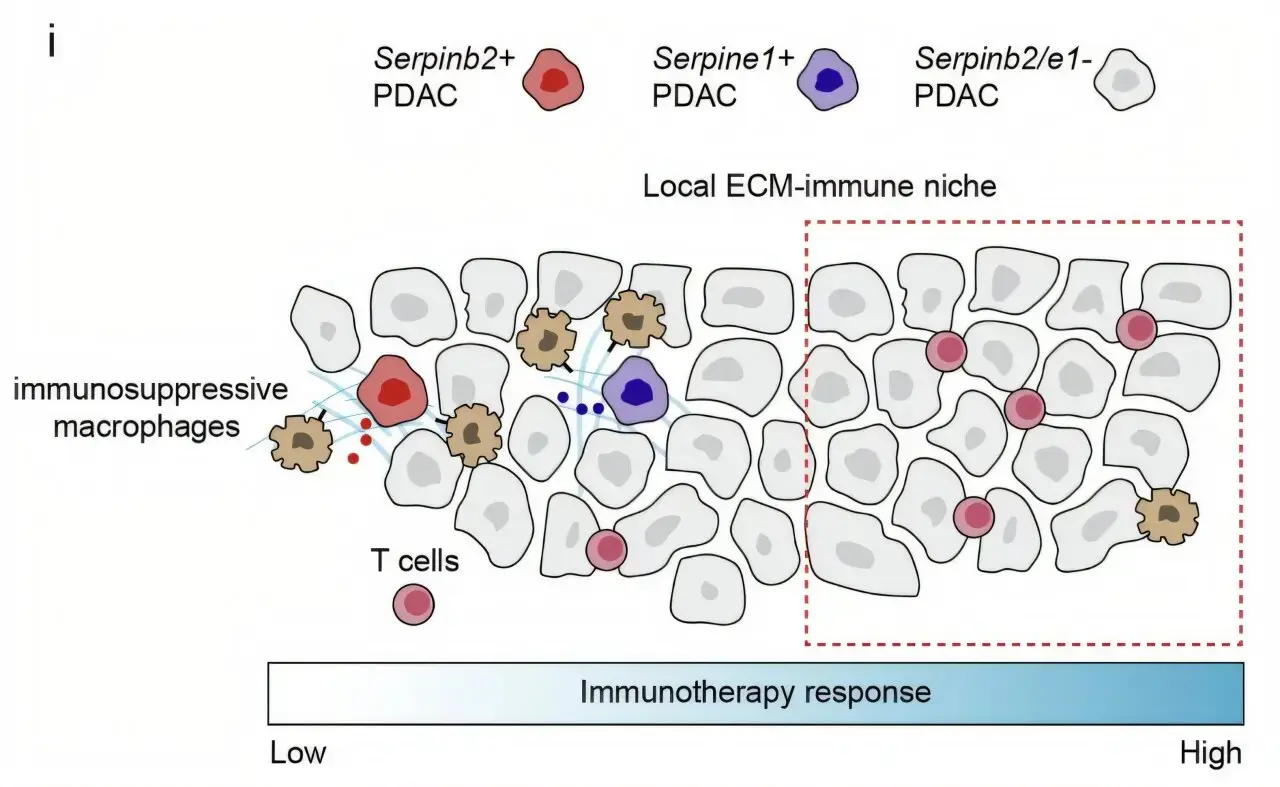 Pancreatic Cancer Hijacks Blood-Clotting System to Evade Immune Attack
 Survey Reveals Most Men Unaware Dairy May Increase Prostate Cancer Risk
The disease was first detected in Central Africa, where it has caused significant outbreaks over the years. The virus is transmitted through contact with infected bodily fluids. Poor healthcare infrastructure and delayed response have contributed to the spread of the disease.
The first known outbreak occurred in 1976, in what is now the Democratic Republic of Congo. Since then, several major outbreaks have been reported in the region. The virus is believed to have originated from animals, with fruit bats being a likely natural reservoir.
Can Ebola Be Contained?
The World Health Organization has responded to the latest outbreak by deploying teams to affected areas. Efforts are being made to contain the outbreak through contact tracing, vaccination, and improved healthcare infrastructure.
Containing Ebola outbreaks is challenging due to the virus's contagious nature and the often-delayed response. However, with swift action and improved healthcare infrastructure, it is possible to limit the spread of the disease.
The ongoing outbreak is likely to have significant consequences for the affected regions, including economic disruption and strain on healthcare systems. The international community's response will be crucial in determining the outcome.
Frequently Asked Questions
What is Ebola? Ebola is a viral disease that causes severe hemorrhagic fever, with high mortality rates if left untreated. It is transmitted through contact with infected bodily fluids.
How is Ebola treated? Treatment for Ebola typically involves supportive care, such as hydration and management of symptoms. Experimental vaccines and therapies have shown promise in reducing mortality rates.
Can Ebola be prevented? Prevention measures include avoiding contact with infected individuals, using personal protective equipment, and implementing robust infection control practices in healthcare settings.
Content written by Marcus Reid for wellness-bio-radar.com editorial team, AI-assisted.