Reducing Exposure to ‘Forever Chemicals’
The Hidden Sources Around Your Home
Per- and polyfluoroalkyl substances (PFAS), often called „forever chemicals,” are increasingly found in our environment. These man-made chemicals pose potential health risks, including links to certain cancers. Exposure happens through everyday items and sources, demanding attention. This report details ways to lessen that exposure.
Health news
 Sleep May Be the Heart's Nightly Repair Window, Study Suggests
 APOE Genotype Influences How Well Blood Tau Protein Predicts Cognitive Decline
 Pancreatic Cancer Hijacks Blood-Clotting System to Evade Immune Attack
 Survey Reveals Most Men Unaware Dairy May Increase Prostate Cancer Risk
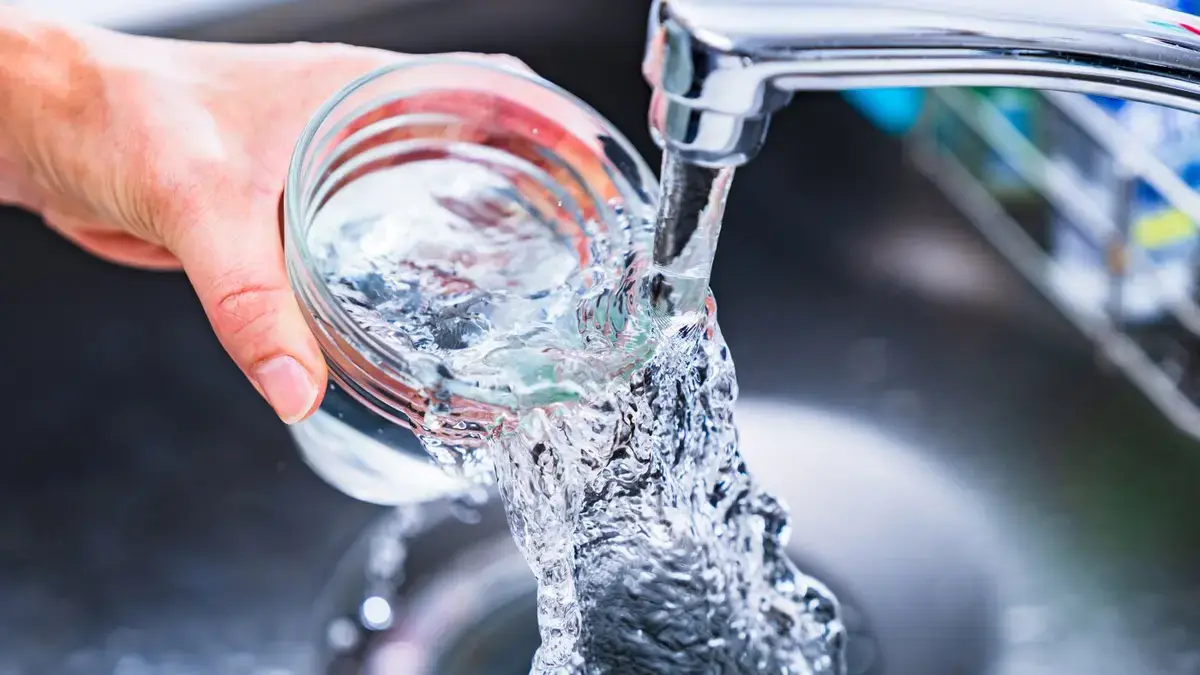
PFAS don’t break down easily. They accumulate in the environment and within the human body. This persistence is why they’re called „forever chemicals.” They’ve been used in many consumer products since the 1940s, offering water and stain resistance. However, their widespread use has led to widespread contamination. Drinking water is a primary route of exposure for many people.
Many common household items contain PFAS. Non-stick cookware, food packaging, and even some clothing can contribute to exposure. These chemicals migrate from the products into food, water, and the air. Consider switching to cast iron or stainless steel cookware. Choose products with minimal packaging, and opt for natural fiber clothing when possible.
Are Certain Foods More Problematic?
Water filters are also crucial. Look for filters certified to remove PFAS. Pitcher filters and faucet attachments are readily available. Whole-house filters offer even greater protection, but require professional installation. Regularly replacing filter cartridges is essential for continued effectiveness.
Seafood, particularly predatory fish, can contain PFAS. These chemicals accumulate in fish over time. Limiting consumption of these fish can reduce exposure. Locally sourced produce, grown without PFAS-contaminated water or soil, is a safer option. Checking with local farmers about their practices can provide peace of mind.
Food packaging is another concern. Many fast-food wrappers and takeout containers are treated with PFAS to prevent grease leakage. Bringing your own reusable containers is a simple way to avoid this exposure. When that's not possible, choose packaging made from paper or cardboard.
What Does This Mean for Our Health?
Continued exposure to PFAS can have serious health consequences. Research links these chemicals to immune deficiencies, liver problems, and increased cholesterol levels. Certain cancers, including kidney and testicular cancer, have also been associated with PFAS exposure. Reducing exposure isn’t just about avoiding chemicals today. It’s about protecting long-term health.
The challenge lies in the ubiquity of PFAS. They’re deeply embedded in our industrial processes and consumer goods. However, awareness and proactive steps can significantly reduce individual exposure. Regulatory efforts to limit PFAS use are also underway, offering hope for a cleaner future.
Frequently Asked Questions
What are the biggest concerns with PFAS? PFAS are concerning because they persist in the environment and accumulate in the body. This bioaccumulation can lead to negative health effects over time, including potential links to cancer and immune system issues.
Can I test my water for PFAS? Yes, you can have your water tested for PFAS. Certified laboratories offer testing services. This can help you determine if a water filter is necessary and which type is most effective for your situation.
Is it possible to completely avoid PFAS? Complete avoidance is extremely difficult due to their widespread presence. However, making informed choices about products and water sources can substantially lower your exposure levels.
Content written by Marcus Reid for wellness-bio-radar.com editorial team, AI-assisted.