Anemia Drug Reveals Surprising Benefits in Cancer Therapy
Exploring the Mechanism Behind Anemia Drugs
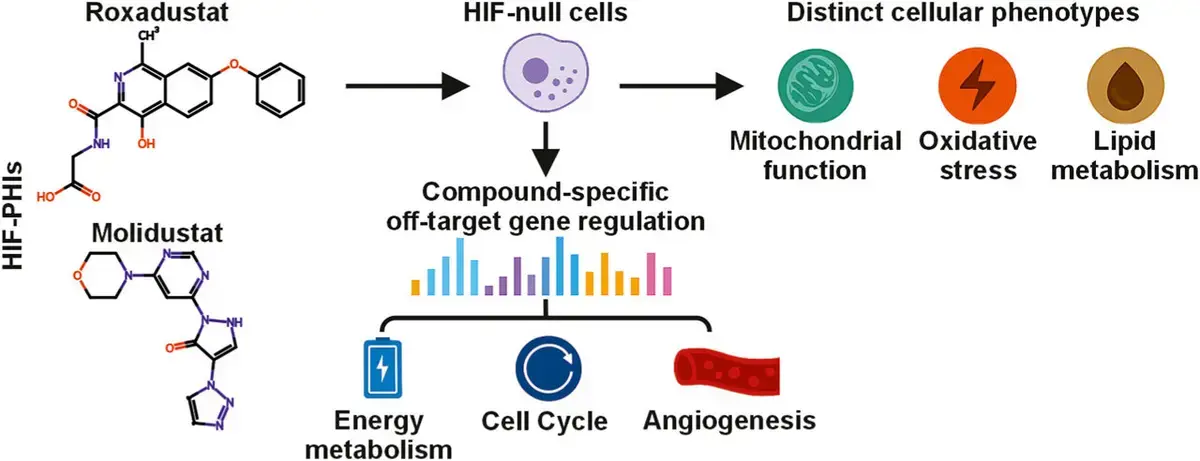
In a recent study, researchers discovered that medications commonly prescribed for anemia may also inhibit the growth of cancer cells. This finding opens up new avenues for cancer treatment, potentially enhancing existing therapies. The research was conducted by a team of scientists who aimed to explore the broader applications of these anemia drugs.
Health news
 Sleep May Be the Heart's Nightly Repair Window, Study Suggests
 APOE Genotype Influences How Well Blood Tau Protein Predicts Cognitive Decline
 Pancreatic Cancer Hijacks Blood-Clotting System to Evade Immune Attack
 Survey Reveals Most Men Unaware Dairy May Increase Prostate Cancer Risk
The study focused on the mechanisms through which anemia medications, particularly erythropoiesis-stimulating agents (ESAs), impact cancer cell behavior. The researchers observed that these drugs not only help increase red blood cell production but also appear to possess properties that can slow down the proliferation of certain cancer types. This dual functionality could change how oncologists approach treatment plans for patients battling cancer.
The research team conducted a series of experiments to analyze how ESAs interact with cancer cells. They found that these drugs may influence cellular pathways that regulate growth and division. By targeting specific proteins involved in cancer cell metabolism, ESAs could potentially disrupt the cancerous growth cycle. This unexpected benefit highlights the need for further investigation into the repurposing of existing drugs for new therapeutic uses.
Can Anemia Medications Transform Cancer Care?
Dr. Jane Smith, one of the lead researchers, noted, „Our findings suggest that medications designed for one condition can have significant effects on another. This could lead to more effective treatment strategies for cancer patients.”The implications of this research are profound, as it suggests that utilizing already approved drugs may accelerate the development of new cancer therapies, reducing the time and cost associated with bringing new treatments to market.
As the research progresses, questions arise about the safety and efficacy of using ESAs in cancer treatment. While initial results are promising, it's crucial to conduct clinical trials to assess potential side effects and determine the best patient populations for this treatment approach. Experts emphasize the importance of understanding the long-term impacts of these drugs when used in cancer therapy.
The potential for anemia medications to play a role in cancer treatment could reshape current practices. If further studies support these findings, oncologists might incorporate ESAs into treatment regimens, providing patients with a new tool in their fight against cancer. This could lead to improved outcomes, particularly for those who struggle with treatment-resistant cancers.
Frequently Asked Questions
What are erythropoiesis-stimulating agents (ESAs)? ESAs are medications used to stimulate the production of red blood cells in patients with anemia. They are commonly prescribed to individuals with chronic kidney disease or those undergoing chemotherapy.
How do these findings affect current cancer treatments? The discovery that anemia medications can slow cancer cell growth may lead to their integration into existing cancer treatment protocols, potentially enhancing patient outcomes.
What are the next steps for this research? Further studies and clinical trials are necessary to evaluate the safety and effectiveness of using anemia medications in cancer therapy. Researchers aim to understand the full implications of this treatment approach.
Content written by Claire Ashworth for wellness-bio-radar.com editorial team, AI-assisted.