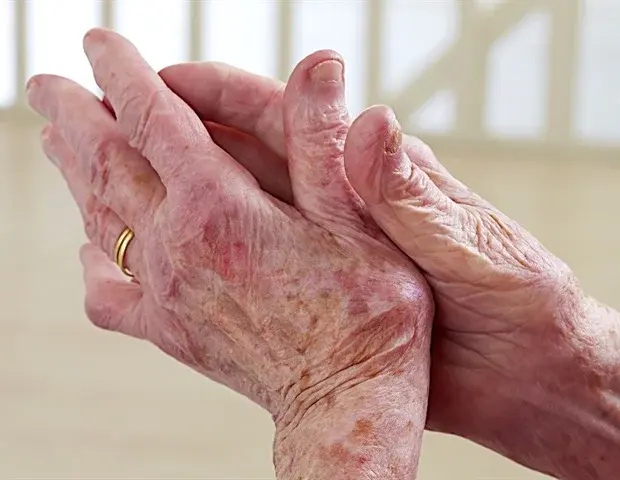
Cannabis Therapy Shows Long‑Term Benefits for Inflammatory Arthritis Patients
How Cannabis May Complement Traditional Arthritis Treatments
A new observational study from the United Kingdom, published in Clinical Medicine Insights: Arthritis and Musculoskeletal Disorders , finds that continuous use of medical cannabis products eases symptoms for people with inflammatory arthritis. Researchers tracked participants over several months, noting reduced pain, improved joint function, and a favorable safety profile.
Health news
 Ethical Decision-Making for Mental Health Professionals Using Large Language Models
 AI Discovers Hidden Health Data in Everyday CT Scans
 Ultra‑Processed Food Drives Up National Health Costs by $360,000 a Year
 Scientists engineer CAR-NK immune cells directly inside the body using mRNA nanoparticles
The study examined three types of cannabis‑derived preparations: dried botanical material, concentrated oil extracts, and standardized oral capsules. Participants were adults diagnosed with rheumatoid arthritis or psoriatic arthritis who had not responded adequately to conventional disease‑modifying drugs. Over a 12‑month period, patients reported their pain levels, stiffness, and overall quality of life while maintaining their usual rheumatology care. The data suggest that cannabinoids may act as an adjunct therapy, offering analgesic and anti‑inflammatory effects without increasing serious adverse events.
Investigators noted that patients using botanical cannabis smoked or vaporized the plant material experienced the most rapid pain relief, often within minutes. Oil extracts, taken sublingually, provided a steadier onset, lasting several hours and reducing the need for rescue analgesics. Oral capsules, standardized for THC and CBD content, showed the most consistent dosing and were preferred by individuals concerned about inhalation risks.
„Many of our participants reported being able to lower their NSAID dosage after three months of cannabis therapy,” said Dr. Eleanor Hughes, lead author of the study. „The reduction in non‑steroidal anti‑inflammatory drug use is significant because it lessens the risk of gastrointestinal bleeding and cardiovascular complications associated with long‑term NSAID therapy.”
Can Cannabis Replace Conventional Disease‑Modifying Drugs?
The researchers also monitored laboratory markers of inflammation, such as C‑reactive protein (CRP) and erythrocyte sedimentation rate (ESR). While changes were modest, a subset of patients exhibited measurable declines, hinting at a possible disease‑modifying effect. Importantly, no serious psychiatric or cardiovascular events were recorded, and mild side effects—dry mouth, dizziness, and transient fatigue—were reported by less than 10 % of participants.
The authors caution that cannabis should not be viewed as a stand‑alone cure. „Our findings support cannabis as a safe adjunct, not a replacement for disease‑modifying antirheumatic drugs (DMARDs) or biologics,” Dr. Hughes emphasized. Patients who discontinued their standard therapies in favor of cannabis alone experienced disease flares, underscoring the need for integrated treatment plans.
Nevertheless, the study highlights a growing patient demand for alternative pain management options, especially among those who experience intolerable side effects from traditional medications. The data may encourage rheumatologists to discuss cannabis openly, tailor dosing regimens, and monitor outcomes systematically.
Frequently Asked Questions
The long‑term implications could reshape prescribing habits, prompting regulatory bodies to consider clearer guidelines for medical cannabis in rheumatology. As more robust randomized trials emerge, clinicians may gain confidence in integrating cannabinoids into comprehensive arthritis care, potentially improving patient adherence and overall quality of life.
Is medical cannabis legal for arthritis treatment in the UK? Yes, cannabis‑based medicines can be prescribed by specialist doctors under the NHS, but access varies by region and requires a specialist assessment.
What forms of cannabis are most effective for joint pain? The study suggests that inhaled botanical material offers rapid relief, while oil extracts and standardized capsules provide longer‑lasting effects with more precise dosing.
Are there risks of dependence or worsening disease with cannabis use? The observational data showed low rates of mild side effects and no serious adverse events. However, dependence risk exists, and cannabis should complement—not replace—standard disease‑modifying therapies.
Content written by Marcus Reid for wellness-bio-radar.com editorial team, AI-assisted.