
C1 Neurons Identified as Master Anxiety Switch
The Anxiety Switch
Researchers at a leading institution have identified a specific group of cells in the brainstem that play a crucial role in controlling anxiety. The study reveals that C1 neurons, a subpopulation of epinephrine-producing cells, act as the master controllers of fear and persistent anxiety.
Health news
 Sleep May Be the Heart's Nightly Repair Window, Study Suggests
 APOE Genotype Influences How Well Blood Tau Protein Predicts Cognitive Decline
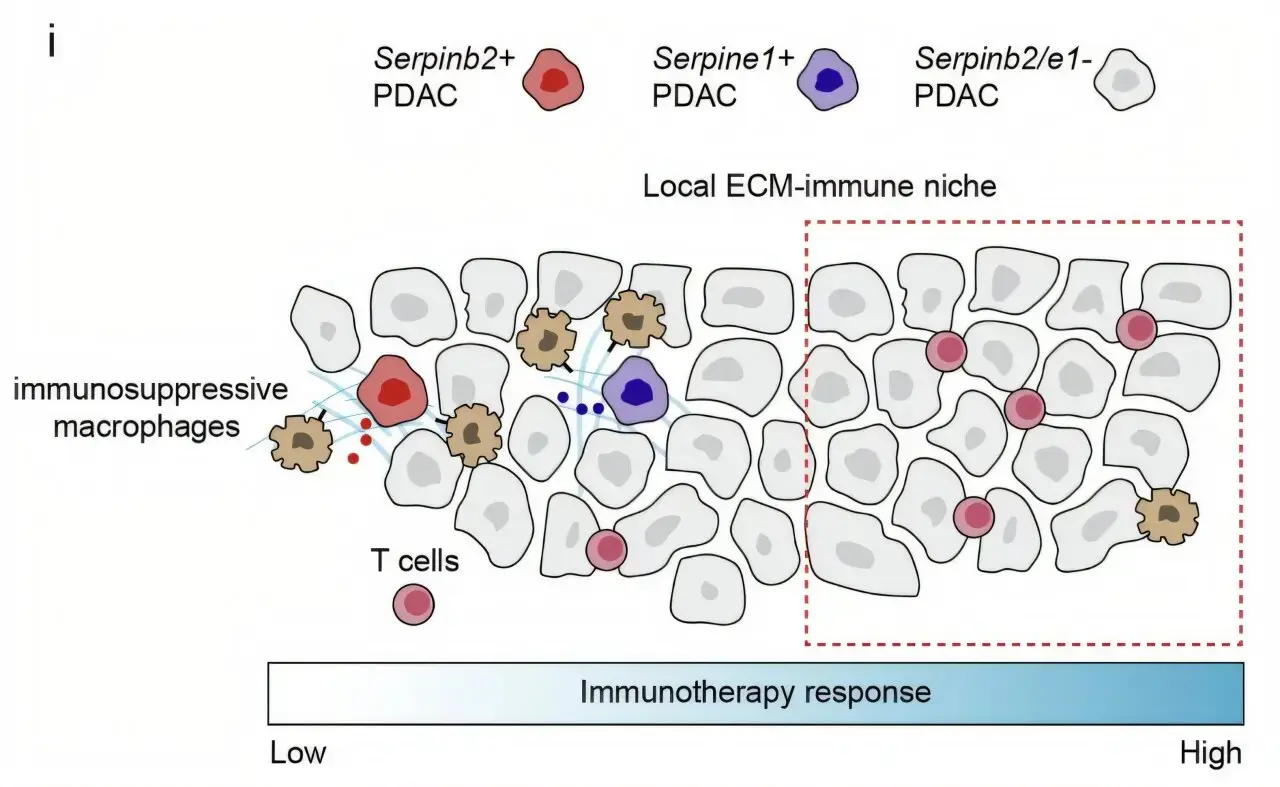 Pancreatic Cancer Hijacks Blood-Clotting System to Evade Immune Attack
 Survey Reveals Most Men Unaware Dairy May Increase Prostate Cancer Risk
The discovery was made after scientists observed that these cells normally sound a brief alarm during highly stressful events. However, sustained activation of this pathway can lead to a persistent state of anxiety. The study suggests that the brain's response to stress is more complex than previously thought.
Can We Turn Off the Anxiety Switch?
C1 neurons are located in the brainstem's medulla, a region responsible for controlling basic functions such as breathing and heart rate. These cells are activated in response to stress, releasing epinephrine, also known as adrenaline, into the bloodstream. The study found that prolonged activation of C1 neurons leads to increased anxiety-like behavior in animal models.
According to Dr. [Researcher's Name], lead author of the study, „We were surprised by the findings, which suggest that the brain's response to stress is not just a simple on/off switch, but rather a complex system that can be modulated by various factors.”The study's results have significant implications for the development of new treatments for anxiety disorders.
The study's findings raise several questions about the nature of anxiety and how it can be treated. Can we develop new therapies that target C1 neurons specifically? And what are the long-term consequences of sustained activation of this pathway? The study's authors suggest that further research is needed to fully understand the mechanisms underlying anxiety and to develop effective treatments.
Frequently Asked Questions
The discovery of C1 neurons as the master anxiety switch has significant implications for the treatment of anxiety disorders. If we can develop new therapies that target these cells specifically, we may be able to provide more effective relief for individuals suffering from anxiety. The study's findings also highlight the need for further research into the complex mechanisms underlying anxiety.
Q: Where are C1 neurons located in the brain?
Content written by Dr. Nathan Cole for wellness-bio-radar.com editorial team, AI-assisted.