
Chronic Anxiety's Physical Toll: Beyond the Mind
The Heart Under Pressure
Anxiety is commonly viewed as a mental health challenge. It brings racing thoughts and sleepless nights. However, this common condition also significantly affects the body's physical systems. Experts are now highlighting the widespread impact of long-term anxiety on various organs and overall health.
Health news
 Sleep May Be the Heart's Nightly Repair Window, Study Suggests
 APOE Genotype Influences How Well Blood Tau Protein Predicts Cognitive Decline
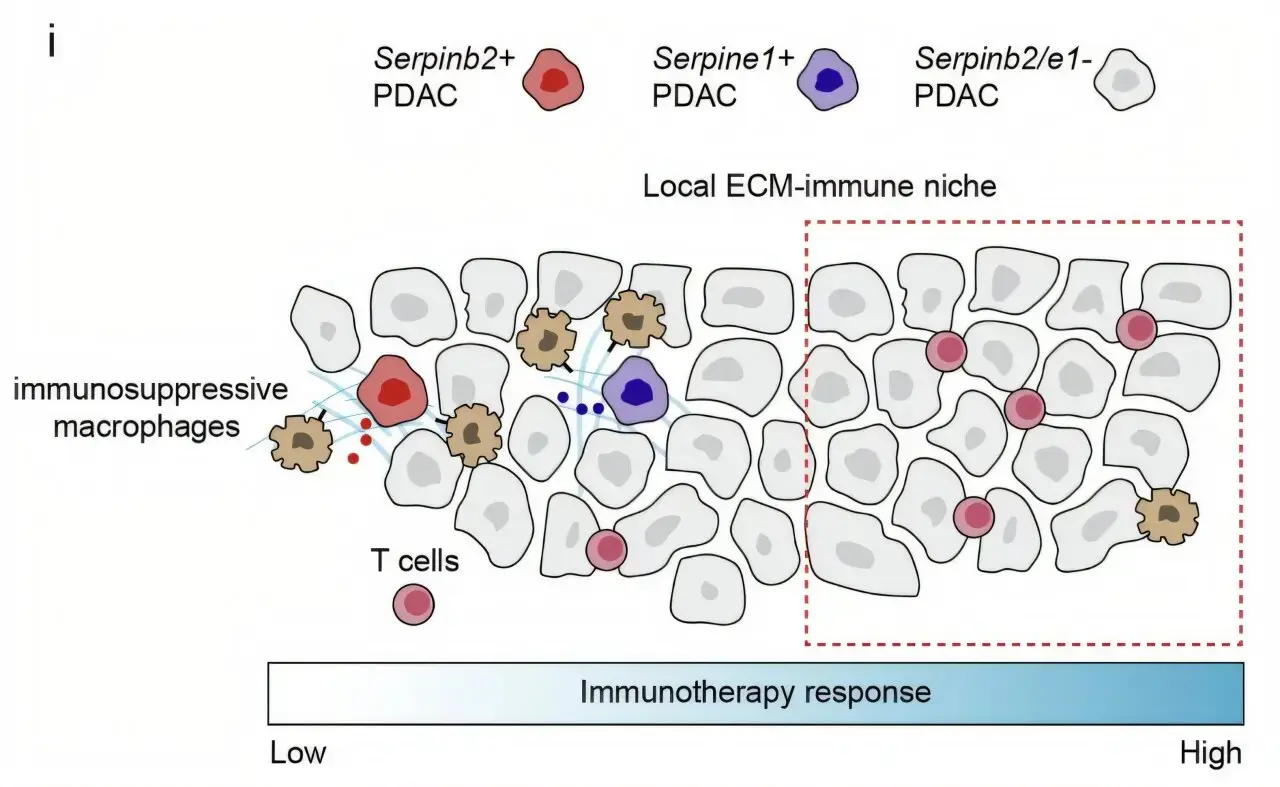 Pancreatic Cancer Hijacks Blood-Clotting System to Evade Immune Attack
 Survey Reveals Most Men Unaware Dairy May Increase Prostate Cancer Risk
This deeper understanding moves beyond just mental symptoms. It reveals how persistent worry can trigger a cascade of physical responses. These responses can lead to tangible health problems over time, affecting nearly every part of the body.
How Does Anxiety Affect Digestion?
The cardiovascular system takes a major hit from chronic anxiety. Constant stress keeps the heart rate elevated. Blood vessels can constrict more often. This increases blood pressure, putting strain on the heart. Over time, this can raise the risk of heart disease and even stroke. The body remains in a heightened state of alert, which is not sustainable.
Digestive health is also deeply intertwined with anxiety. The gut and brain communicate constantly. When anxiety is high, this communication can go awry. Many people experience symptoms like irritable bowel syndrome (IBS). Others might have acid reflux or nausea. This happens because stress hormones disrupt normal digestive processes. The gut microbiome can also be negatively impacted.
The immune system also suffers under chronic anxiety. Stress hormones suppress immune function. This makes the body more vulnerable to infections. It can also worsen inflammatory conditions. Healing processes may slow down.
Sleep and Hormonal Imbalance
Sleep is often the first casualty of anxiety. Sleeplessness then creates a vicious cycle. Poor sleep exacerbates anxiety, leading to more sleep problems. Hormonal balance is also disrupted. Cortisol, the stress hormone, remains high. This can affect metabolism, weight, and even bone density over time. Muscle tension is another common complaint. This can lead to chronic pain, especially in the neck and back. Headaches are also frequent for those with persistent anxiety.
Chronic anxiety is not just a feeling; it is a full-body experience. Addressing anxiety can therefore improve physical health outcomes significantly. Recognizing these physical signs is crucial for early intervention and better health management.
What are the immediate physical effects of anxiety? Immediate effects include a rapid heart rate, shallow breathing, muscle tension, and digestive upset. These are part of the body's fight-or-flight response.
Frequently Asked Questions
Can chronic anxiety lead to permanent organ damage? While it doesn't directly damageorgans in the way a disease might, chronic anxiety significantly increases the risk for conditions like heart disease, high blood pressure, and digestive disorders, which can have long-term consequences.
Does anxiety affect the immune system? Yes, chronic anxiety can suppress the immune system. This makes individuals more susceptible to illnesses and can slow down recovery from infections.
Content written by Dr. Nathan Cole for wellness-bio-radar.com editorial team, AI-assisted.