
Hypoglossal Nerve Stimulation Shows Promise for Long‑Term Heart Health in Sleep Apnea Patients
Emerging Evidence of Cardiovascular Gains
A retrospective cohort study released this month suggests that patients with obstructive sleep apnea who receive hypoglossal nerve stimulation (HGNS) may enjoy modest long‑term cardiovascular benefits. The analysis compared outcomes of HGNS recipients with those treated by standard positive airway pressure (PAP) therapy across several sleep centers in the United States. Researchers tracked heart‑related events over a median follow‑up of five years.
Health news
 Sleep May Be the Heart's Nightly Repair Window, Study Suggests
 APOE Genotype Influences How Well Blood Tau Protein Predicts Cognitive Decline
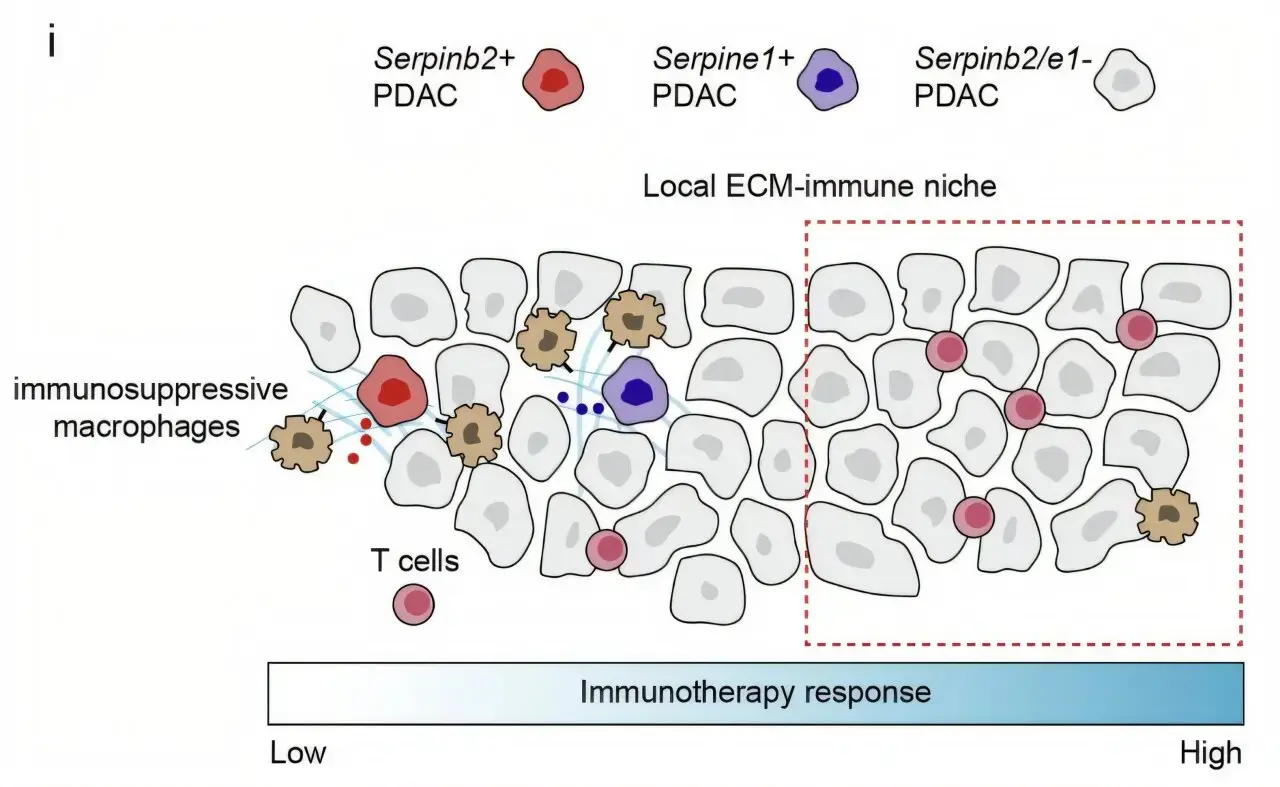 Pancreatic Cancer Hijacks Blood-Clotting System to Evade Immune Attack
 Survey Reveals Most Men Unaware Dairy May Increase Prostate Cancer Risk
Obstructive sleep apnea, a condition marked by repeated airway collapse during sleep, is linked to hypertension, arrhythmias, and heart failure. Conventional PAP therapy, while effective at reducing apnea episodes, has not consistently lowered the risk of heart disease in large randomized trials. HGNS, an implanted device that electrically stimulates the tongue‑controlling hypoglossal nerve, offers an alternative by keeping the airway open without a mask. The new study aimed to determine whether this different mechanism might translate into better heart outcomes.
Investigators found that the HGNS group experienced a 12 % lower incidence of major adverse cardiovascular events compared with the PAP cohort. The reduction was driven mainly by fewer hospitalizations for heart failure and fewer new diagnoses of atrial fibrillation. The authors noted that the benefit appeared after the first two years of therapy, suggesting a cumulative protective effect. „Our findings hint that restoring airway patency through nerve stimulation could modify the long‑term cardiac risk profile of sleep apnea patients,” one lead author explained. The study controlled for baseline comorbidities, age, and body‑mass index, strengthening the observed association.
Can Nerve Stimulation Surpass CPAP in Protecting the Heart?
While the results are encouraging, the authors cautioned that the study’s retrospective design cannot prove causation. Randomized trials are still needed to confirm whether HGNS truly outperforms CPAP in preventing heart disease. Moreover, the device carries surgical risks and higher upfront costs, factors that may limit its broader adoption. Nevertheless, the data add to a growing body of literature suggesting that not all sleep apnea treatments have equal effects on cardiovascular health. Clinicians may soon consider heart‑focused outcomes when selecting therapy for patients who cannot tolerate PAP.
If future prospective trials replicate these findings, HGNS could become a preferred option for a subset of patients at high cardiac risk. The potential to reduce heart‑related hospitalizations would have significant implications for both patient quality of life and healthcare expenditures. Ongoing research will clarify the durability of the benefit and identify which patients stand to gain the most.
Frequently Asked Questions
What is hypoglossal nerve stimulation? HGNS is an implanted system that delivers mild electrical pulses to the hypoglossal nerve, causing the tongue to move forward and keep the airway open during sleep.
Why might HGNS affect heart health differently than CPAP? By eliminating airway collapse without the need for a mask, HGNS may reduce intermittent hypoxia and sympathetic surges more consistently, potentially lowering stress on the cardiovascular system.
Is HGNS suitable for all sleep apnea patients? No. Candidates typically have moderate to severe obstructive sleep apnea, cannot tolerate PAP therapy, and meet specific anatomical criteria assessed by sleep specialists.
Content written by Dr. Nathan Cole for wellness-bio-radar.com editorial team, AI-assisted.