Psilocybin Shows Promise in Preventing Long-Term Chemotherapy Nerve Damage
How Psilocybin Might Shield Nerves During Cancer Treatment
Researchers have identified a surprising potential medical application for psilocybin, the psychedelic compound found in magic mushrooms, in protecting cancer patients from debilitating nerve pain caused by chemotherapy. Early studies suggest the substance may help prevent chemotherapy-induced peripheral neuropathy, a condition that can cause lasting tingling, numbness, and pain in the hands and feet long after cancer treatment ends. This discovery opens a new avenue for addressing a common and often overlooked side effect of cancer therapy.
Health news
 APOE Genotype Influences How Well Blood Tau Protein Predicts Cognitive Decline
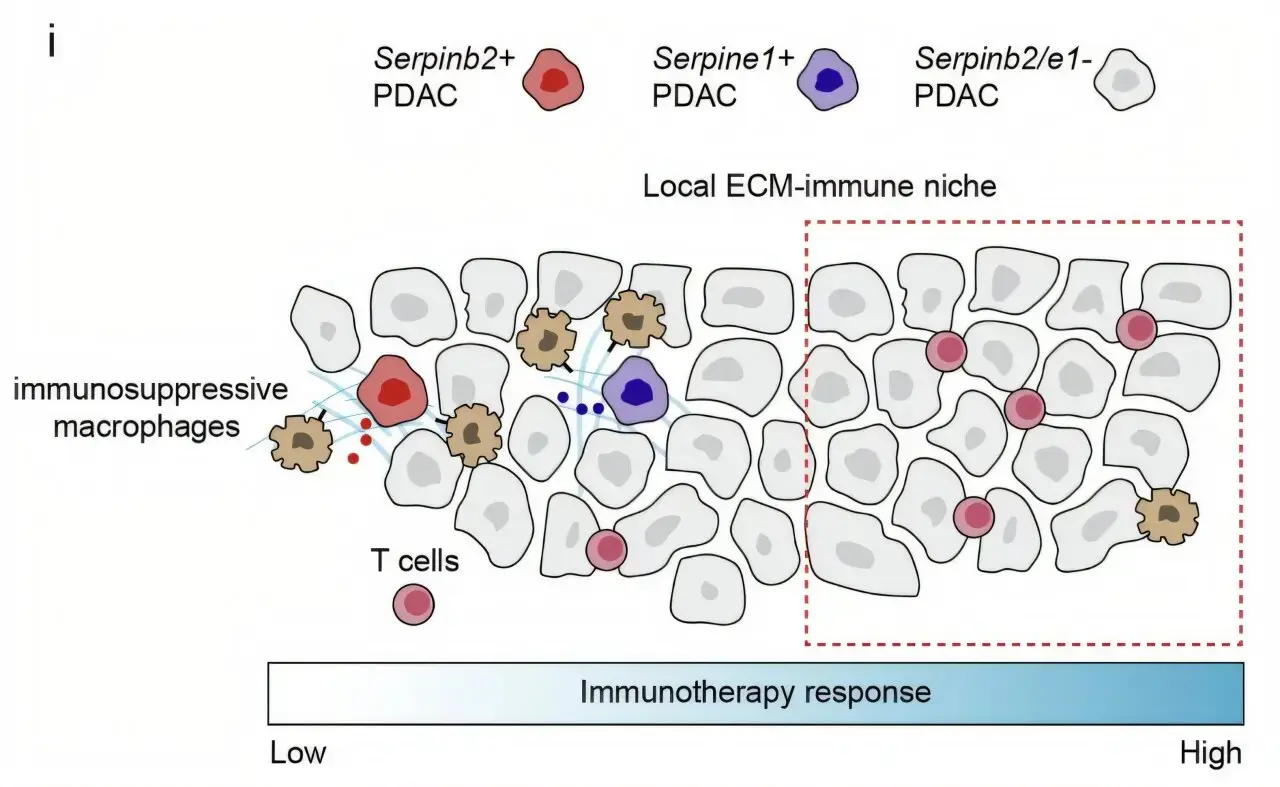 Pancreatic Cancer Hijacks Blood-Clotting System to Evade Immune Attack
 Survey Reveals Most Men Unaware Dairy May Increase Prostate Cancer Risk
 Therapeutic Gardening Shows Promise for Mental Health in Adults with Chronic Illnesses
Chemotherapy drugs, while effective at targeting cancer cells, frequently damage peripheral nerves as a side effect, leading to chronic pain that can persist for months or years. Current treatments offer limited relief, often focusing on symptom management rather than prevention. Psilocybin’s potential lies in its ability to promote neural plasticity and reduce inflammation, mechanisms that may help shield nerves from damage during treatment. Scientists believe low, non-hallucinogenic doses could be administered alongside chemo to protect nerve function without inducing psychedelic effects.
Can a Psychedelic Prevent Pain Without Causing a Trip?
Preclinical studies indicate that psilocybin activates specific serotonin receptors in the nervous system, triggering cellular pathways that enhance nerve resilience and repair. In animal models, administering the compound before or during chemotherapy significantly reduced markers of nerve degeneration. Researchers emphasize that the goal is not to induce hallucinations but to harness the compound’s neuroprotective properties at sub-perceptual doses. This approach could transform supportive care in oncology by addressing nerve damage at its source rather than treating symptoms after they appear.
Yes, scientists are exploring dosing strategies that deliver therapeutic benefits without psychoactive effects. By using very low doses—sometimes referred to as microdosing—it may be possible to activate protective biological pathways while avoiding alterations in perception or mood. Clinical trials are being designed to test this concept in human patients, focusing on safety, optimal dosing, and timing relative to chemotherapy cycles. If successful, this method could be integrated into standard cancer care protocols.
Is psilocybin safe to use during cancer treatment? Early research suggests low doses are well-tolerated, but clinical trials are needed to confirm safety in combination with chemotherapy drugs.
Frequently Asked Questions
Will patients experience hallucinations from this treatment? No, the proposed use involves doses too low to produce psychedelic effects, focusing solely on biological protection of nerve tissue.
When could this approach be available to patients? It remains experimental; human trials are in early planning stages, with potential clinical use likely several years away if results are positive.
Content written by Dr. Elena Voss for wellness-bio-radar.com editorial team, AI-assisted.