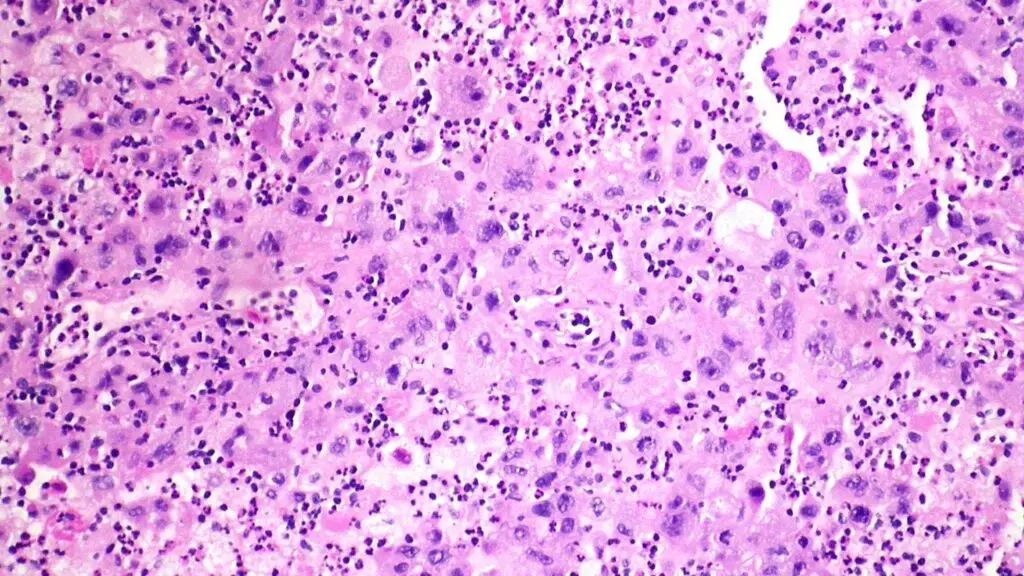
Merck's Lung Cancer Treatment Shows Significant Progress
A Breakthrough in Targeted Therapy
Merck, in collaboration with China-based Kelun-Biotech, has made significant strides in lung cancer treatment. A recent abstract released ahead of the ASCO conference revealed promising results from their jointly developed targeted chemotherapy. The data was made public on May 21, 2026.
Health news
 Sleep May Be the Heart's Nightly Repair Window, Study Suggests
 APOE Genotype Influences How Well Blood Tau Protein Predicts Cognitive Decline
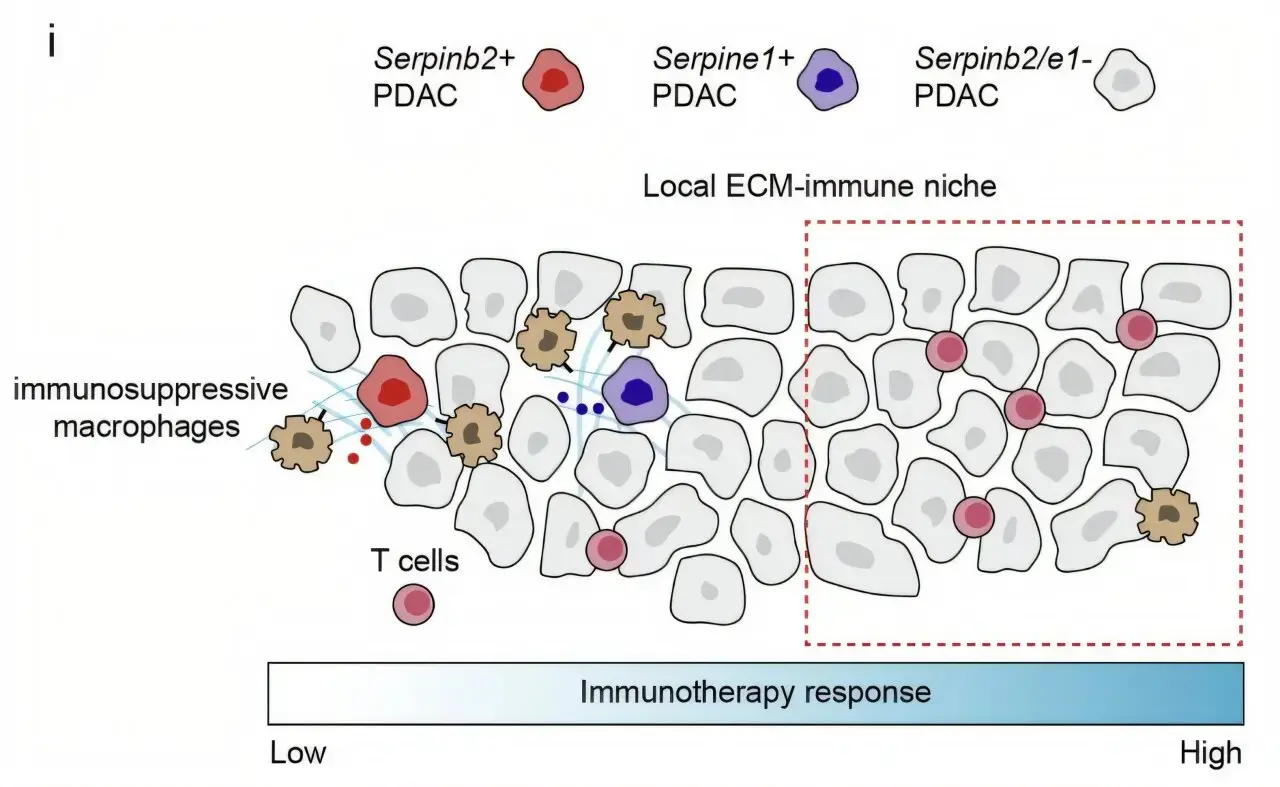 Pancreatic Cancer Hijacks Blood-Clotting System to Evade Immune Attack
 Survey Reveals Most Men Unaware Dairy May Increase Prostate Cancer Risk
The treatment, a type of antibody-drug conjugate (ADC), has shown remarkable efficacy in reducing the risk of tumor progression. By targeting specific cancer cells, the therapy has demonstrated a substantial improvement over existing treatments.
The ADC, developed by Kelun-Biotech and licensed to Merck, cut the risk of tumor progression by 65% in clinical trials. This significant reduction is a result of the treatment's ability to precisely target cancer cells while minimizing harm to healthy tissues. The data suggests a potential new standard of care for lung cancer patients.
Can This Treatment Redefine Lung Cancer Care?
The abstract's findings are based on clinical trial data, showcasing the treatment's effectiveness in a specific patient population. With lung cancer being a leading cause of cancer-related deaths worldwide, the need for innovative and effective treatments is pressing.
As the medical community awaits the full release of the data, the initial results have generated considerable excitement. If the treatment continues to show promise, it could become a vital option for patients with limited treatment choices. The collaboration between Merck and Kelun-Biotech highlights the potential benefits of international partnerships in driving medical innovation.
The release of the full data and subsequent regulatory approvals will determine the treatment's future. A successful outcome could lead to a significant shift in the lung cancer treatment landscape, offering new hope to patients and healthcare providers.
Frequently Asked Questions
What is the mechanism behind the new lung cancer treatment? The treatment is an antibody-drug conjugate that targets specific cancer cells, reducing harm to healthy tissues.
How significant is the 65% reduction in tumor progression risk? The 65% reduction is substantial, indicating a major improvement over existing treatments and potentially redefining the standard of care.
What are the next steps for the treatment's development? The full release of the clinical trial data and subsequent regulatory approvals will determine the treatment's future and potential availability to patients.
Content written by Marcus Reid for wellness-bio-radar.com editorial team, AI-assisted.