Mini-brains model myelin damage and regeneration for MS drug testing
Researchers observed that when myelin was damaged, microglia responded by
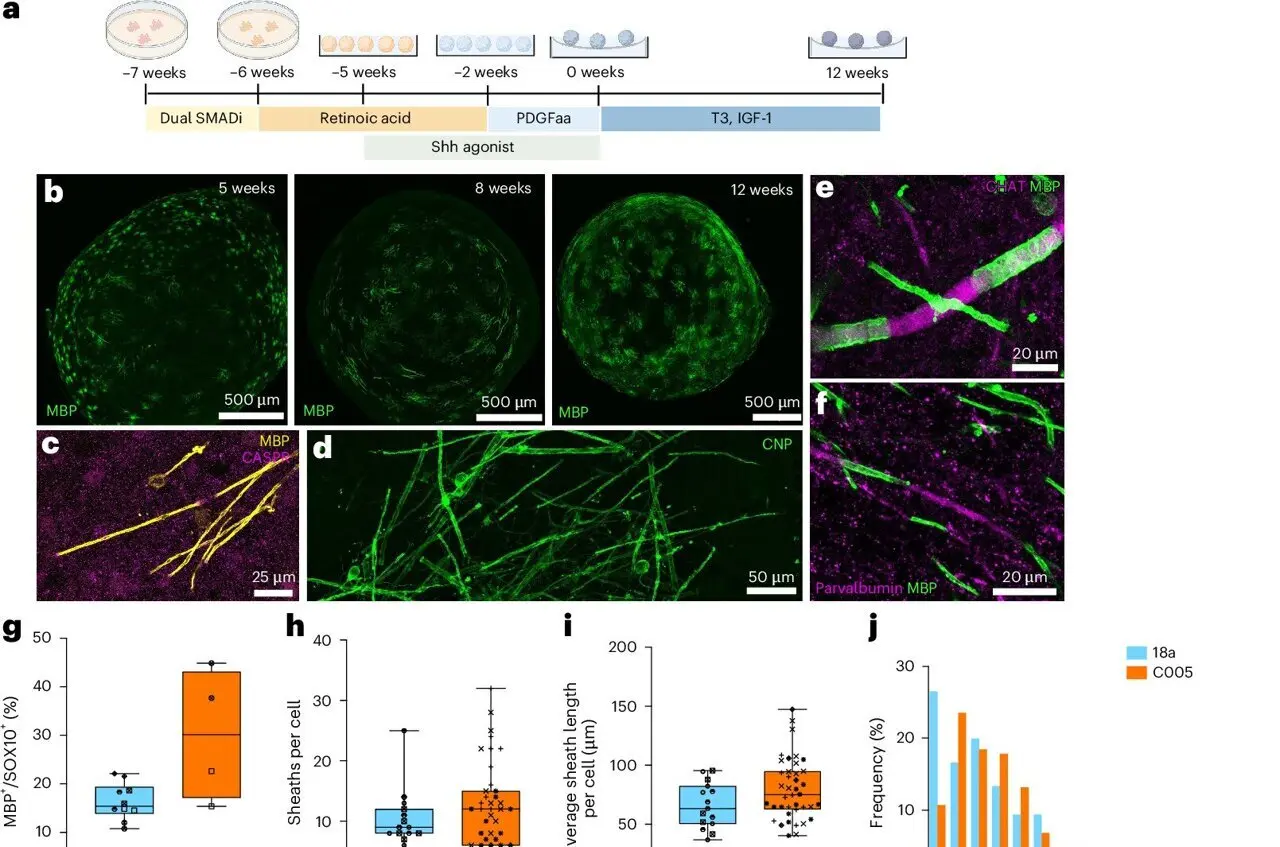
Researchers at the Florey Institute of Neuroscience and Mental Health have created 3D brain organoids derived from human stem cells that replicate myelin damage and repair processes. These mini-brainscontain microglia and show extensive myelinated axon networks, offering a new laboratory tool to study multiple sclerosis. The model was developed to better understand how myelin breaks down and regenerates in the nervous system, with the goal of accelerating drug discovery for MS treatments. The organoids are grown from induced pluripotent stem cells and structured to mimic aspects of the human brain. They include microglia, the brain's immune cells, which play a key role in both damaging and clearing myelin during disease. In experiments, the spheroids demonstrated the ability to form myelin sheaths around axons and then undergo damage similar to that seen in MS lesions.
Health news
 NeuroXT Secures FDA Clearance for AI Alzheimer’s Risk Tool
 Fountain Life secures top longevity clinic honor for second year running
 Brain Mechanisms for Merging Facial and Vocal Emotions Revealed
 Beacon Biosignals Buys Snap Diagnostics to Expand Home Sleep Testing Reach
Researchers observed that when myelin was damaged, microglia responded by clearing debris, and later, regeneration occurred as new myelin formed. This dynamic process mirrors what happens in patients, making the model valuable for testing how potential drugs affect both damage and repair pathways. How do microglia influence myelin repair in these models? Microglia in the organoids were seen to switch between states that either promote inflammation or support regeneration. When activated in a pro-inflammatory mode, they contributed to myelin damage. However, under different conditions, they helped clear myelin debris and created a cleaner environment for oligodendrocytes—the cells that produce myelin—to rebuild sheaths. This dual role highlights microglia as a potential target for therapies aimed at shifting their activity toward repair rather than harm.
The model allows scientists to test compounds that might modulate microglial
The model allows scientists to test compounds that might modulate microglial behavior to favor regeneration. Can this system reduce reliance on animal testing for MS drugs? Yes, the researchers believe these human-derived organoids could complement or reduce the need for animal models in early-stage drug screening. Because the spheroids are built from human cells and replicate key features of myelin biology, they may predict human responses more accurately than traditional models. The team notes that while the system does not yet fully replicate the complexity of a whole brain, it provides a scalable and reproducible way to study myelin dynamics in a controlled setting. This could speed up the identification of promising candidates before moving to clinical trials. Frequently Asked Questions What makes these mini-brains useful for MS research?
They contain human microglia and form myelinated axons, allowing scientists to observe both damage and regeneration in a system that closely mimics human brain biology. How long do the organoids maintain their myelin structures? The spheroids show stable myelinated networks for several weeks, enabling time-lapse observation of damage and repair cycles after injury or drug exposure. Are these models ready for widespread use in drug development? They are not yet a replacement for all testing stages but are being validated as a complementary tool for early efficacy and mechanism studies in MS research.
Content written by Medical Xpress for wellness-bio-radar.com editorial team, AI-assisted.