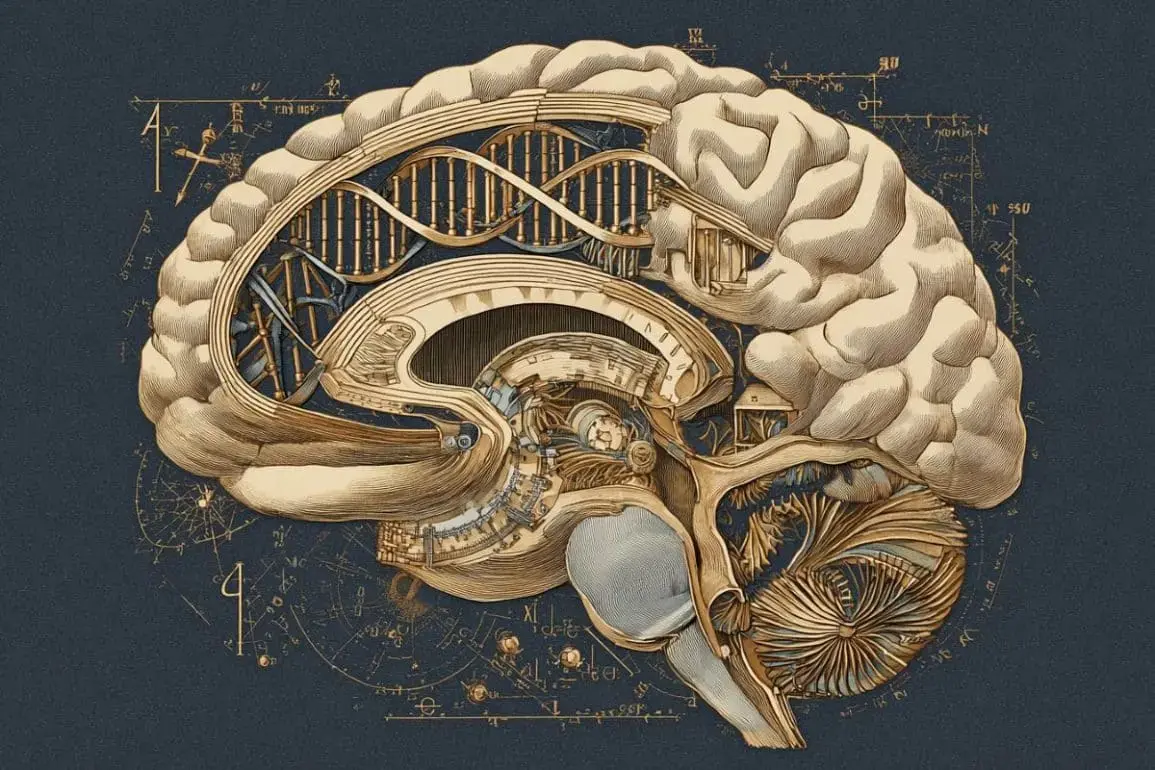
Adult Brain Reuses Genetic Code for Memory Formation
Unpacking the Molecular Toolkit
Scientists have made a groundbreaking discovery about how the adult brain processes memories. A new study reveals that the brain relies on genetic mechanisms established before birth.
Health news
 Sleep May Be the Heart's Nightly Repair Window, Study Suggests
 APOE Genotype Influences How Well Blood Tau Protein Predicts Cognitive Decline
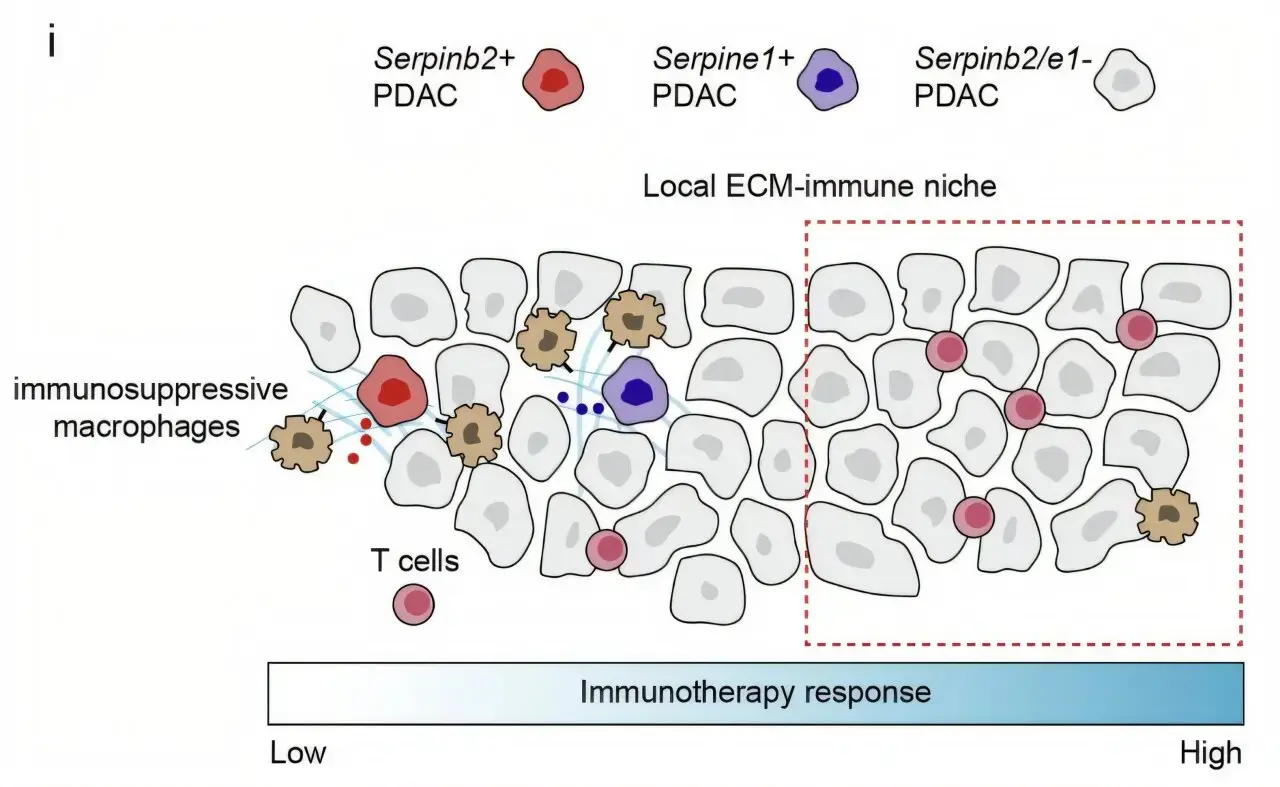 Pancreatic Cancer Hijacks Blood-Clotting System to Evade Immune Attack
 Survey Reveals Most Men Unaware Dairy May Increase Prostate Cancer Risk
The research focuses on HuD, a protein that plays a crucial role in the development of neurons. It suggests that when adults learn and form memories, their brains reuse the same molecular toolkit that was present in the womb.
The study found that HuD, encoded by the ELAVL4 gene, is an ancient RNA-binding protein that has been conserved across evolution. This protein is essential for regulating gene expression in neurons, and its presence is not limited to brain development. Researchers argue that HuD's role in adult neuroplasticity is a continuation of its prenatal function.
Is Adult Neuroplasticity Just a Replay?
The review highlights that the adult brain's ability to rewire and adapt is not a new process, but rather a refinement of the mechanisms established during fetal development. This challenges the idea that adult neuroplasticity is a distinct process.
The study's findings raise questions about the nature of adult neuroplasticity. If the adult brain is reusing prenatal genetic mechanisms, does this mean that its ability to learn and adapt is limited by its developmental history? The research suggests that the brain's capacity for reorganization is built on a foundation established before birth.
The discovery has significant implications for our understanding of brain function and plasticity. It suggests that the adult brain's ability to learn and remember is closely tied to its developmental past.
Frequently Asked Questions
What is HuD's role in the adult brain? HuD regulates gene expression in neurons, enabling the brain to rewire and adapt. It is essential for adult neuroplasticity.
Does this mean adult neuroplasticity is limited? The study suggests that adult neuroplasticity builds on prenatal mechanisms, but it does not imply a strict limit on the brain's ability to adapt.
How does this change our understanding of brain function? The discovery highlights the continuity between prenatal development and adult brain function, revealing a more nuanced understanding of neuroplasticity.
Content written by Dr. Nathan Cole for wellness-bio-radar.com editorial team, AI-assisted.