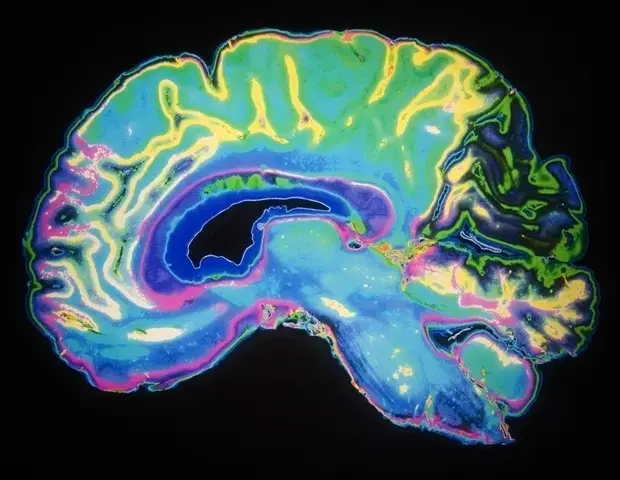
Brain Activity Restores Memory in Awake Mice
Rewiring the Brain
Researchers at the National Institutes of Health have successfully reversed memory loss in mice. They achieved this by stimulating specific brain patterns while the animals were fully awake. The work offers a potential new approach to treating sleep deprivation effects. It was conducted with NIH funding and reported June 8, 2026.
Health news
 Sleep May Be the Heart's Nightly Repair Window, Study Suggests
 APOE Genotype Influences How Well Blood Tau Protein Predicts Cognitive Decline
 Pancreatic Cancer Hijacks Blood-Clotting System to Evade Immune Attack
 Survey Reveals Most Men Unaware Dairy May Increase Prostate Cancer Risk
The team focused on replicating brain activity normally seen during sleep. This activity is crucial for consolidating memories and strengthening neural connections. Sleep deprivation disrupts this process, leading to cognitive decline. Instead of relying on sleep, researchers directly induced these patterns in a targeted area of the brain.
The study pinpointed a specific brain region vital for memory formation. By carefully stimulating this area, they triggered a „recalibration” of neural connections. This recalibration mimicked the benefits of sleep, even though the mice remained awake. The researchers observed a significant improvement in the mice’s ability to recall learned information.
Can This Work in Humans?
This is a departure from traditional approaches. Most memory research focuses on the role of sleep. This new method suggests that the pattern of brain activity is more important than the state of consciousness. It opens the door to potential therapies that could bypass the need for restorative sleep. The induced activity effectively „replayed” experiences, strengthening the associated memories.
The current research is limited to mice. However, the underlying principles are believed to apply to humans as well. The targeted brain region exists in the human brain and functions similarly. Further research is needed to determine if this technique can be safely and effectively translated to human subjects. Challenges remain in precisely targeting and stimulating the correct brain areas.
Frequently Asked Questions
The implications of this discovery are far-reaching. It could lead to treatments for conditions like Alzheimer’s disease and other forms of dementia. It also offers a potential solution for individuals suffering from chronic sleep disorders. The ability to restore memory function without sleep could dramatically improve quality of life.
What part of the brain was targeted in this study? The researchers focused on a specific region critical for memory consolidation. Stimulating this area allowed them to replay experiences and strengthen neural pathways, effectively offsetting the effects of sleep deprivation.
Is this a cure for memory loss? Not yet. This research demonstrates a promising technique in mice. Much more investigation is required before it can be considered a viable treatment for memory loss in humans.
Content written by Claire Ashworth for wellness-bio-radar.com editorial team, AI-assisted.