
New Blood Test Guides Prostate Cancer Treatment
Predicting Treatment Success
A groundbreaking DNA blood test can now identify prostate cancer patients most likely to benefit from a specific radiopharmaceutical therapy. This non-invasive method also tracks their progress during treatment. The findings were published in the July issue of a prominent medical journal.
Health news
 Sleep May Be the Heart's Nightly Repair Window, Study Suggests
 APOE Genotype Influences How Well Blood Tau Protein Predicts Cognitive Decline
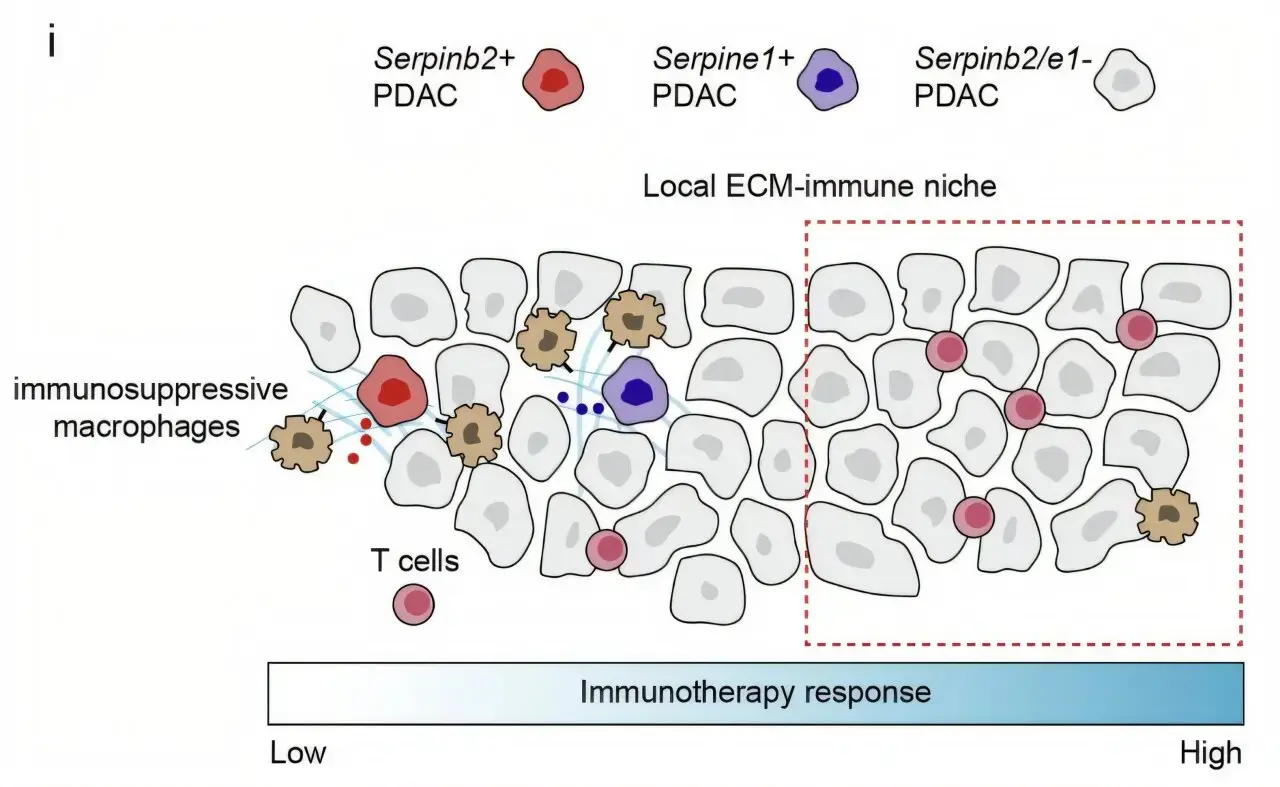 Pancreatic Cancer Hijacks Blood-Clotting System to Evade Immune Attack
 Survey Reveals Most Men Unaware Dairy May Increase Prostate Cancer Risk
This advancement offers a more personalized approach to managing metastatic castration-resistant prostate cancer (mCRPC). Doctors can now better predict treatment effectiveness. This helps avoid unnecessary therapies for patients who won't respond well.
How Does This Improve Patient Care?
The new test works by analyzing circulating tumor DNA (ctDNA) in the blood. This genetic material is shed by cancer cells. Researchers found that specific ctDNA markers indicate how a patient will react to 223 Ra radiopharmaceutical therapy. This therapy targets bone metastases, a common complication of advanced prostate cancer. Early identification of responders can significantly improve patient outcomes. It also reduces exposure to ineffective treatments.
# What is metastatic castration-resistant prostate cancer (mCRPC)?
The ability to monitor treatment progress non-invasively is a major benefit. Traditional methods often involve more invasive procedures or imaging. The ctDNA test provides real-time insights into how the cancer is responding. If the ctDNA levels decrease, it suggests the treatment is working. Conversely, rising levels could signal resistance or progression. This allows doctors to adjust treatment plans quickly. This dynamic approach ensures patients receive the most effective care at every stage.
This new technology promises to transform how mCRPC is managed. It moves towards a more precise and patient-centered treatment paradigm. This could lead to longer, healthier lives for many men battling advanced prostate cancer.
# How does 223 Ra radiopharmaceutical therapy work?
This is an advanced form of prostate cancer. It has spread to other parts of the body and no longer responds to hormone therapy. It often affects the bones.
# Why is a non-invasive test important for monitoring treatment?
This therapy uses a radioactive substance that targets cancer cells in the bones. It delivers radiation directly to these cells, helping to destroy them and reduce pain.
Non-invasive tests are less stressful and safer for patients. They can be performed more frequently, providing continuous feedback on treatment effectiveness without the need for biopsies or extensive imaging.
Content written by Dr. Nathan Cole for wellness-bio-radar.com editorial team, AI-assisted.