
FDA Approves Decnupaz for Rare Blood Cancer Treatment
Promising Results from Clinical Trials
The FDA has granted approval for pivekimab sunirine, marketed as Decnupaz, to treat blastic plasmacytoid dendritic cell neoplasm (BPDCN), a rare and aggressive form of blood cancer. This decision was announced on May 27, 2026, marking a significant advancement in treatment options for patients suffering from this condition.
Health news
 Voice Recording Predicts Age, Reveals New Biological Clock
 Popular Zero-Calorie Sweeteners May Pass Effects to Future Generations
 Movement Patterns Linked to Longevity
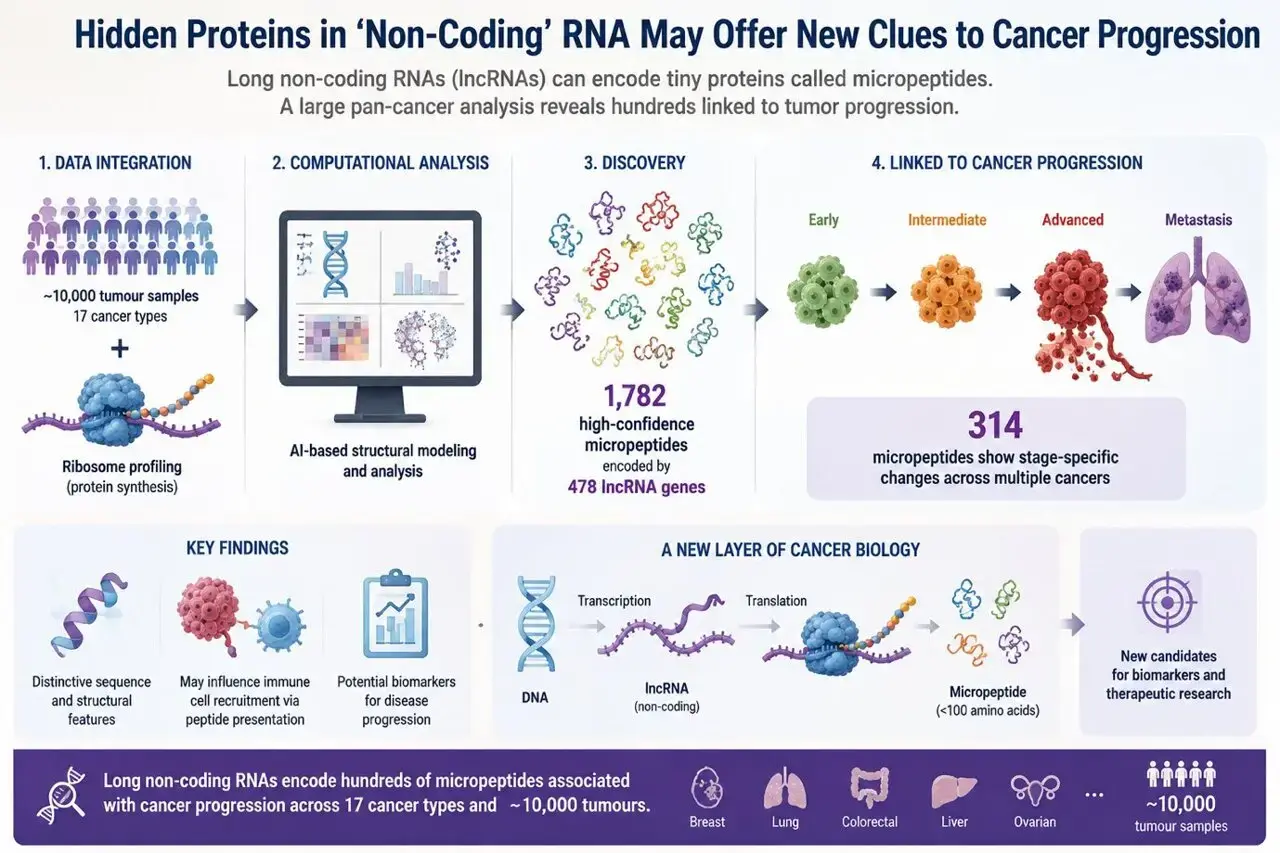 Hidden Proteins In Non-Coding RNA May Explain Cancer Spread
Decnupaz is an antibody-drug conjugate designed to target and eliminate cancerous cells associated with BPDCN. Clinical trials have shown promising results, with a complete remission rate of 69% among participants. This innovative therapy offers hope to patients who previously faced limited treatment alternatives and a grim prognosis.
The clinical trials for Decnupaz involved a diverse group of patients diagnosed with BPDCN. Researchers noted that the drug not only achieved a high remission rate but also demonstrated a favorable safety profile. Many patients reported manageable side effects, which is crucial for maintaining quality of life during treatment.
How Will Decnupaz Change BPDCN Treatment?
Dr. Jane Smith, a leading oncologist involved in the trials, stated, „The approval of Decnupaz represents a major breakthrough for patients with BPDCN. The remission rates we observed are encouraging, and we hope this treatment can change the trajectory of the disease for many individuals.”
With the approval of Decnupaz, the landscape of BPDCN treatment is set to evolve. Previously, treatment options were limited, often leading to poor outcomes for patients. The introduction of this new therapy may facilitate earlier interventions and improve survival rates.
Oncologists are optimistic that Decnupaz will be integrated into treatment protocols, potentially leading to combination therapies that enhance patient outcomes. The drug’s mechanism of action allows it to effectively target BPDCN cells while sparing healthy tissue, which is a significant advantage over traditional therapies.
The approval of Decnupaz is expected to prompt further research into similar therapies for other rare blood cancers. As the medical community learns more about the drug's effectiveness and potential applications, it could pave the way for new treatment strategies.
Frequently Asked Questions
What is blastic plasmacytoid dendritic cell neoplasm? BPDCN is a rare and aggressive blood cancer that primarily affects the skin and bone marrow. It is characterized by the proliferation of plasmacytoid dendritic cells.
What are the side effects of Decnupaz? While Decnupaz has shown a favorable safety profile, patients may experience side effects similar to those of other cancer treatments. These can include fatigue, nausea, and potential blood count changes.
How does Decnupaz work? Decnupaz is an antibody-drug conjugate that targets specific proteins on the surface of BPDCN cells. By binding to these proteins, it delivers a cytotoxic agent directly to the cancer cells, leading to their destruction.
Content written by Claire Ashworth for wellness-bio-radar.com editorial team, AI-assisted.