New MRI Method May Reveal Pancreatic Cancer Treatment Response Within Weeks
How the MRI Tool Works
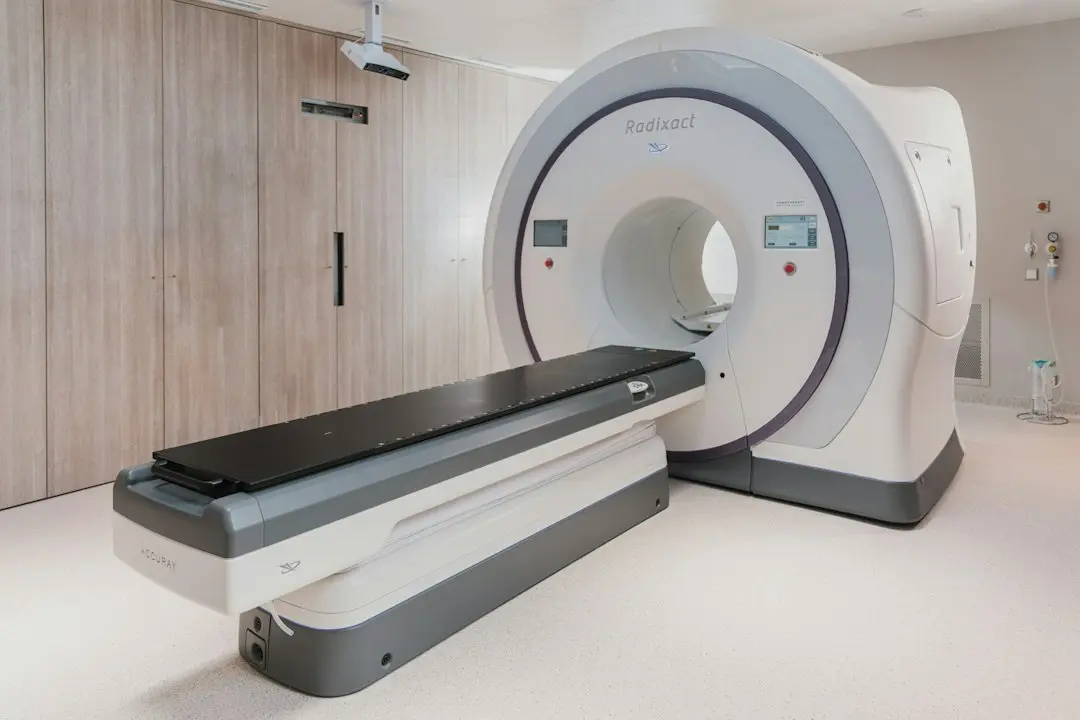
Researchers at The Ohio State University have developed a custom MRI tool that could determine whether chemotherapy is working for pancreatic cancer patients within weeks. The trial targets the roughly 60 percent of patients whose tumors are too advanced for immediate surgery. For these individuals, shrinking the tumor through chemotherapy is the only path to a curative operation.
Health news
 Exercise and Mood: Italian Study Links Physical Activity to Lower Depression Symptoms
 Screen Time in Childhood Linked to Unexpected Cognitive Boost in Teens, 8‑Year Study Shows
 Workplace stress and anxiety are taking a heavy toll on employees, with one in three workers reporting that the strain is not easing
 Daily Food Habit Tied to Lower Risk of Anxiety and Depression
The tool analyzes specific MRI signal changes that indicate tumor response. Traditional imaging often requires months to show clear results. This new approach aims to cut that timeline dramatically. Early detection of treatment failure allows doctors to switch therapies sooner.
Why Speed Matters for Pancreatic Cancer
The system measures changes in tissue density and blood flow within the tumor. These markers shift when chemotherapy is effective. The tool compares baseline scans with follow-up scans to quantify response. This objective measurement reduces reliance on subjective visual assessment.
Pancreatic cancer progresses rapidly. Delays in detecting treatment failure mean patients continue ineffective therapy. Switching regimens earlier improves survival odds. The trial focuses on patients who cannot undergo surgery initially. Shrinkage is the critical milestone.
Will this tool replace CT scans? No, it complements existing imaging. MRI offers superior soft-tissue contrast. The tool adds quantitative analysis to standard scans.
Frequently Asked Questions
How long does the trial run? The study spans several months. Patients receive baseline and follow-up MRIs. Results will be published after data analysis.
Can this method apply to other cancers? Researchers are exploring broader applications. The underlying principles of measuring tissue response are universal. Future trials may test it on other solid tumors.