Recurring Arthritis During Cancer Treatment Linked To Immune Memory
The Role Of Persistent Immune Cells
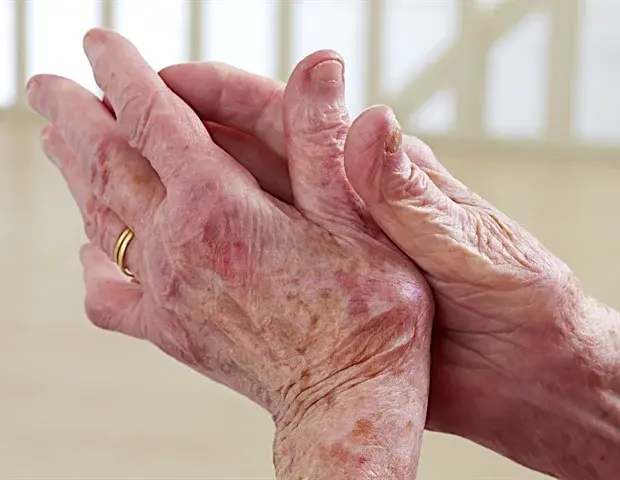
Researchers have identified a potential biological mechanism explaining why joint inflammation often returns in patients undergoing cancer immunotherapy. This condition, known as immune-related adverse events, can severely impact daily life. Swollen hands restrict simple tasks like opening jars, while knee inflammation hinders walking. For many individuals, initial symptoms fade but later resurface with greater intensity.
Health news
 Exercise and Mood: Italian Study Links Physical Activity to Lower Depression Symptoms
 Screen Time in Childhood Linked to Unexpected Cognitive Boost in Teens, 8‑Year Study Shows
 Workplace stress and anxiety are taking a heavy toll on employees, with one in three workers reporting that the strain is not easing
 Daily Food Habit Tied to Lower Risk of Anxiety and Depression
Sang Taek Kim, an expert in this field, notes that these subsequent flares are not merely inconvenient. They can become severe enough to force a pause in critical cancer treatment. The recurrence disrupts the therapeutic timeline, creating a complex challenge for oncologists who must balance managing side effects against controlling the disease. Understanding why the body attacks its own joints repeatedly is key to solving this clinical puzzle.
Can Early Intervention Prevent Future Flares?
The study suggests that immune memory plays a central role in these recurrences. When the immune system first reacts to the therapy, it generates specific cells that remember the attack on joint tissues. Even after the initial inflammation subsides, these memory cells remain dormant within the body. Upon re-exposure to similar triggers or ongoing immune activation, they reactivate quickly. This rapid response leads to new waves of swelling and pain. The process mimics how the body fights infections, but here it targets healthy tissue.
Kim explains that the persistence of these inflammatory markers indicates a deeper issue than temporary irritation. It implies a sustained conflict between the therapeutic immune boost and the patient’s structural health. This finding shifts the focus from treating symptoms alone to addressing the underlying cellular memory. Clinicians may need to look beyond standard anti-inflammatory drugs to manage these cases effectively.
If immune memory drives the recurrence, timing becomes a critical factor in patient care. Detecting early signs of returning inflammation could allow for timely intervention. However, current diagnostic tools may not always catch these subtle shifts before they become debilitating. Patients often report feeling fine until the next severe flare hits. This gap in monitoring creates a risk of unnecessary treatment interruptions.
Clinical Implications For Long-Term Care
Experts suggest that tracking specific immune cell populations might offer earlier warnings. By identifying when memory cells begin to activate, doctors could adjust dosages or introduce targeted therapies. This proactive approach aims to keep the cancer treatment on schedule without sacrificing joint health. The goal is to maintain the potency of the immunotherapy while minimizing the physical toll on the patient.
The discovery has significant implications for long-term management of cancer patients. It highlights the need for personalized monitoring protocols. Not all patients will experience the same pattern of flares. Some may suffer from chronic low-grade pain, while others face acute, disabling episodes. Tailoring care plans to individual immune profiles could improve quality of life.
Looking ahead, this research opens doors for new therapeutic strategies. Developing agents that specifically target immune memory without suppressing the entire system is a promising avenue. Until then, close collaboration between oncologists and rheumatologists remains essential. The ultimate aim is to ensure that the fight against cancer does not come at the cost of mobility and independence.
Frequently Asked Questions
Does immune memory always cause arthritis to return? Not necessarily, but it is a strong contributing factor. The presence of persistent immune cells increases the likelihood of flares. Individual responses vary based on genetic and environmental factors.
Can cancer treatment continue during a flare? In many cases, treatment pauses temporarily. Doctors wait for inflammation to subside before resuming immunotherapy. The decision depends on the severity of the joint symptoms.