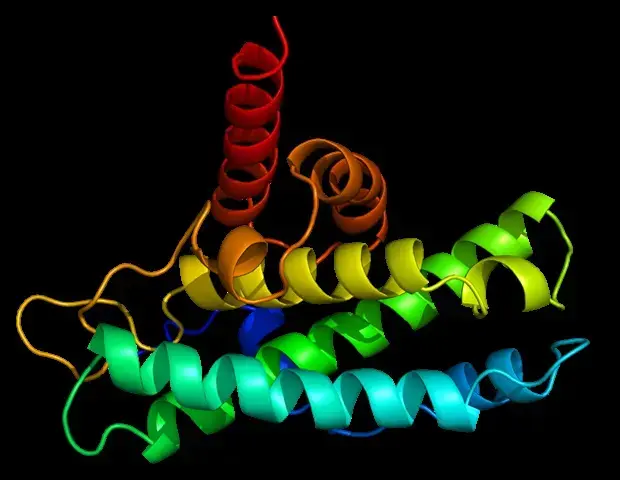
Excess EXO1 Protein Linked to DNA Damage and Cancer Treatment Response
The Paradox of Tumor Suppressor Genes
Recent research from Penn State highlights the dual role of tumor suppressor genes in cancer. While these genes typically help prevent cancer by repairing DNA, an excess of the EXO1 protein may contribute to DNA damage and affect treatment outcomes. This discovery was made public on May 21, 2026.
Health news
 Sleep May Be the Heart's Nightly Repair Window, Study Suggests
 APOE Genotype Influences How Well Blood Tau Protein Predicts Cognitive Decline
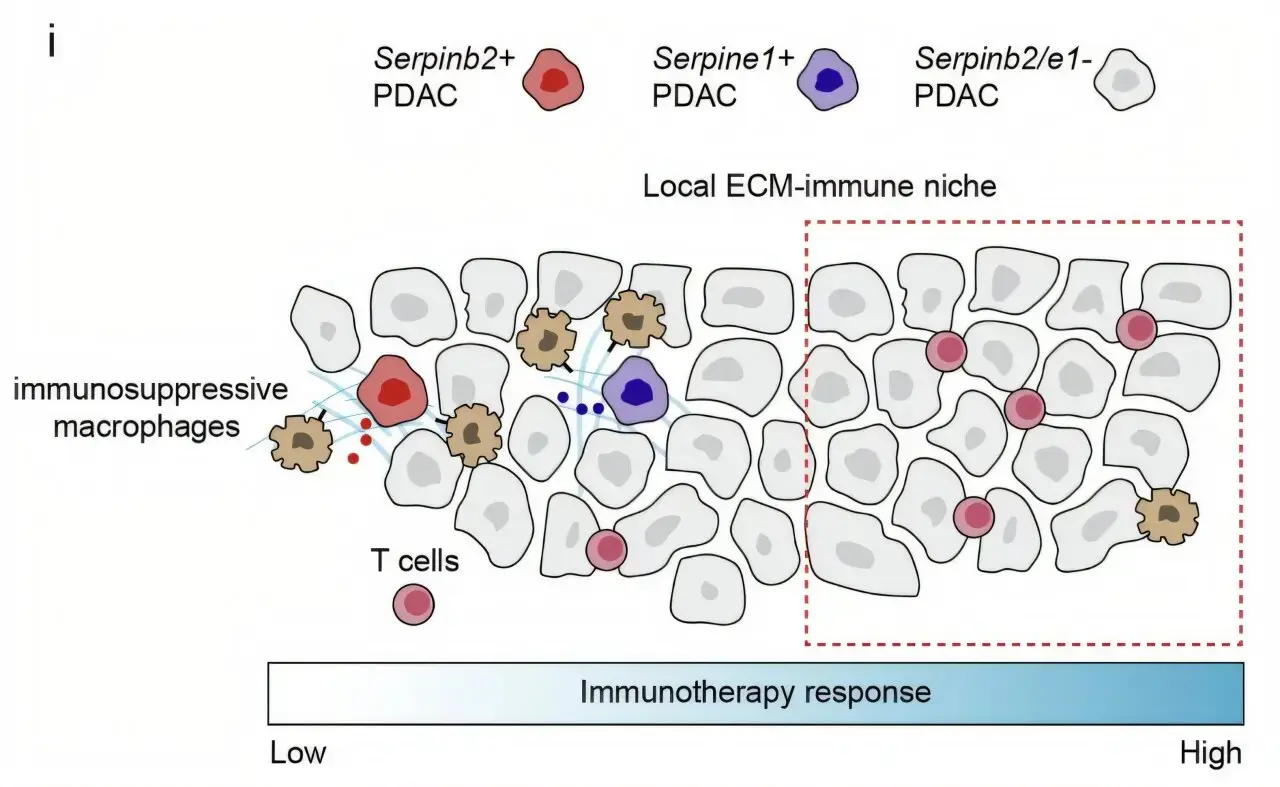 Pancreatic Cancer Hijacks Blood-Clotting System to Evade Immune Attack
 Survey Reveals Most Men Unaware Dairy May Increase Prostate Cancer Risk
Tumor suppressor genes are crucial for maintaining cellular integrity. They produce proteins that facilitate DNA repair, reducing the risk of cancer. However, the study reveals that an overproduction of EXO1 can lead to negative consequences. When cells generate too much of this protein, it can disrupt normal DNA repair processes, potentially increasing cancer risk and complicating treatment responses.
The findings challenge the traditional view of tumor suppressor genes as solely beneficial. Researchers found that while EXO1 is essential for DNA repair, its overexpression can create an environment conducive to DNA damage. This paradox suggests that a balanced level of EXO1 is necessary for optimal cellular function.
Can Targeting EXO1 Improve Cancer Treatments?
The study involved analyzing various cancer cell lines to measure EXO1 levels and their impact on DNA integrity. The results indicated that high levels of EXO1 correlated with increased DNA damage, which could lead to more aggressive cancer behavior. Moreover, this overexpression may hinder the effectiveness of certain cancer treatments, making it a significant factor in patient outcomes.
The implications of this research are profound. If targeting EXO1 could restore normal protein levels, it may enhance the efficacy of existing cancer therapies. Researchers are now exploring potential strategies to regulate EXO1 expression in cancer treatment. This could lead to new approaches that not only address tumor growth but also improve patients' responses to therapy.
As scientists continue to investigate the role of EXO1, the hope is to develop targeted treatments that mitigate its harmful effects. Understanding this balance could revolutionize how we approach cancer therapy, offering new avenues for intervention.
Frequently Asked Questions
What is EXO1 and why is it important? EXO1 is a protein produced by a tumor suppressor gene that plays a crucial role in DNA repair. Proper levels are essential for maintaining cellular health and preventing cancer.
How does excess EXO1 protein affect cancer treatment? Excess EXO1 may lead to increased DNA damage and could interfere with the effectiveness of cancer therapies, potentially resulting in poorer patient outcomes.
What are the next steps in this research? Researchers aim to explore methods to regulate EXO1 levels in cancer cells, which may enhance treatment responses and improve patient care.
Content written by Dr. Nathan Cole for wellness-bio-radar.com editorial team, AI-assisted.