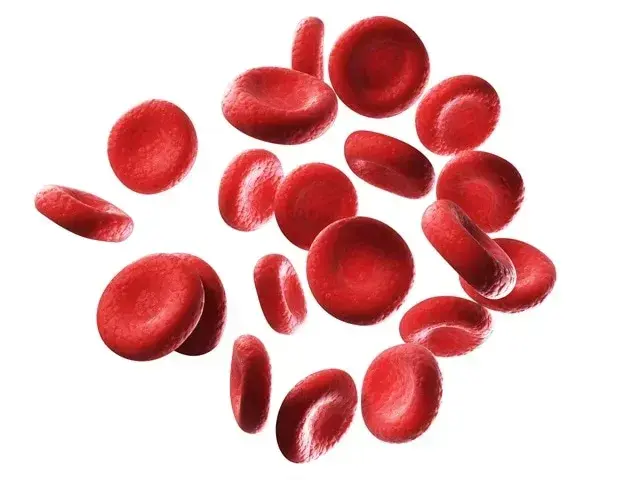
Red Blood Cells Pave the Way for Advanced Nanocarriers in Medicine
Red Blood Cells: Nature's Design for Healing
Researchers at The Ohio State University have made a significant breakthrough in medical technology. They are developing nanocarriers based on red blood cells. These innovative carriers show potential for enhancing gene therapy and targeting tumors, as detailed in a recent study.
Health news
 Sleep May Be the Heart's Nightly Repair Window, Study Suggests
 APOE Genotype Influences How Well Blood Tau Protein Predicts Cognitive Decline
 Pancreatic Cancer Hijacks Blood-Clotting System to Evade Immune Attack
 Survey Reveals Most Men Unaware Dairy May Increase Prostate Cancer Risk
The study highlights how engineered extracellular vesicles can evade the immune system. This evasion is crucial for improving the effectiveness of treatments. Traditional methods often face challenges from immune responses that can render therapies less effective. By mimicking red blood cells, these nanocarriers can navigate the body more efficiently, delivering therapeutic agents directly to target sites.
Red blood cells are naturally adept at moving through the bloodstream and avoiding detection by the immune system. Scientists have harnessed these properties to create nanocarriers that can transport drugs and genetic material. This advancement could lead to more effective treatments for various diseases, including cancer.
How Do These Nanocarriers Work?
The engineered vesicles are designed to carry therapeutic payloads while maintaining the stealth characteristics of red blood cells. This design could revolutionize how therapies are administered, potentially reducing side effects and improving patient outcomes. The research team believes that these nanocarriers could also be used for other applications, such as vaccine delivery and regenerative medicine.
What makes these nanocarriers effective? The key lies in their structure and function. By utilizing the natural components of red blood cells, researchers can create carriers that blend seamlessly into the bloodstream. This integration minimizes the chances of an immune response, allowing for more precise targeting of diseased cells.
The study's findings suggest that these nanocarriers can significantly enhance the delivery of therapeutic agents. This could lead to more successful treatments for conditions that currently have limited options. Researchers are optimistic about the potential applications of this technology in clinical settings.
The implications of this research are profound. If successful, these nanocarriers could transform the landscape of medical treatments. They offer a promising avenue for delivering therapies more effectively, potentially changing the lives of countless patients. As research continues, the hope is that these innovations will lead to new, more effective treatments for a range of diseases.
Frequently Asked Questions
How do red blood cell-based nanocarriers improve drug delivery? These nanocarriers mimic red blood cells, allowing them to evade the immune system. This stealth capability enables more effective targeting of therapeutic agents to specific sites in the body.
What diseases could benefit from this technology? The technology shows promise for treating various conditions, particularly cancer and genetic disorders. Its ability to deliver therapies directly to affected areas could enhance treatment outcomes significantly.
Are there any current applications of this technology? While the research is still in the early stages, the potential applications include gene therapy, tumor targeting, and even vaccine delivery. Ongoing studies aim to explore these possibilities further.
Content written by Marcus Reid for wellness-bio-radar.com editorial team, AI-assisted.