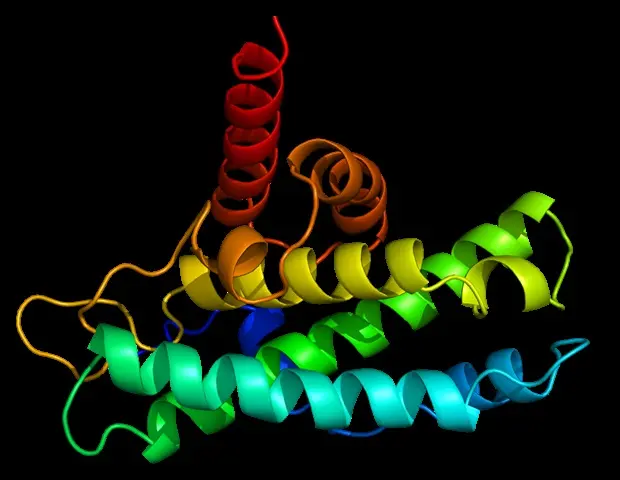
Engineered Albumin Paves Way for Needle-Free Protein Therapies
How Does Modified Albumin Extend Drug Half-Life?
Researchers have developed a modified form of albumin that can extend the time protein medicines stay active in the body. This innovation targets the core problem of frequent injections required for chronic conditions. The new approach aims to reduce the physical and emotional toll on patients who need ongoing treatment.
Health news
 Vegan Diets May Reduce Gut Bacteria Diversity, Study Finds
 Music with beats cuts stress hormone more than pink noise
 Epigenetic Shifts Can Trigger Liver Cancer Without DNA Damage
 Blood Clots and Brain Tumors Linked by Overactive Platelets
Protein drugs are highly effective for many diseases, but their short half-life forces repeated dosing. Patients often face daily or weekly shots, which disrupts daily routines and reduces adherence. Scientists engineered albumin to bind more tightly to target proteins, slowing clearance from the bloodstream. This allows a single dose to remain therapeutic for weeks instead of days.
Could This Eliminate the Need for Frequent Injections?
The engineered albumin acts as a carrier that shields protein therapeutics from rapid breakdown. By binding to the medicine, it prevents the kidneys from filtering it out quickly. This extends the drug's presence in circulation, reducing the number of required injections. The technology could apply to a wide range of protein-based treatments, from insulin to monoclonal antibodies.
Early results suggest a single dose could replace multiple weekly shots. This would significantly improve quality of life for patients with chronic diseases. The approach also lowers the risk of injection-site reactions and needle phobia. If successful, clinics could offer longer dosing intervals, making treatment more manageable.
What is engineered albumin? It is a lab-modified version of the body's natural albumin protein, designed to bind therapeutic proteins more tightly. This binding slows their removal from the blood.
Frequently Asked Questions
Which diseases could benefit most? Conditions requiring long-term protein therapy, such as diabetes, autoimmune disorders, and certain cancers, stand to gain the most. Reduced injection frequency would directly improve patient compliance.
When might this be available to patients? The technology is in the research and development phase. Clinical trials will determine safety and efficacy before any product reaches the market.