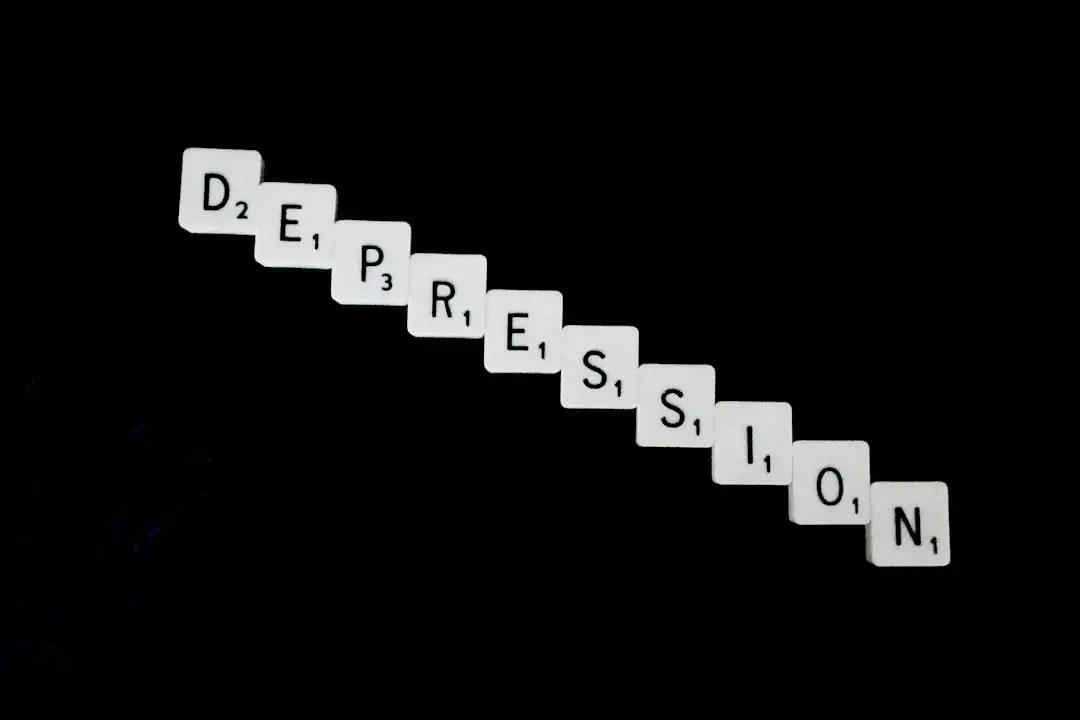
Study Reveals Major Depression Peaks in New Mothers Two Weeks Post-Delivery
Understanding Postpartum Depression Peaks
Major depression in women and girls is most prevalent two weeks after childbirth, according to a study from the University of Queensland. This research highlights the emotional challenges faced by new mothers during the postpartum period.
Health news
 Sleep May Be the Heart's Nightly Repair Window, Study Suggests
 APOE Genotype Influences How Well Blood Tau Protein Predicts Cognitive Decline
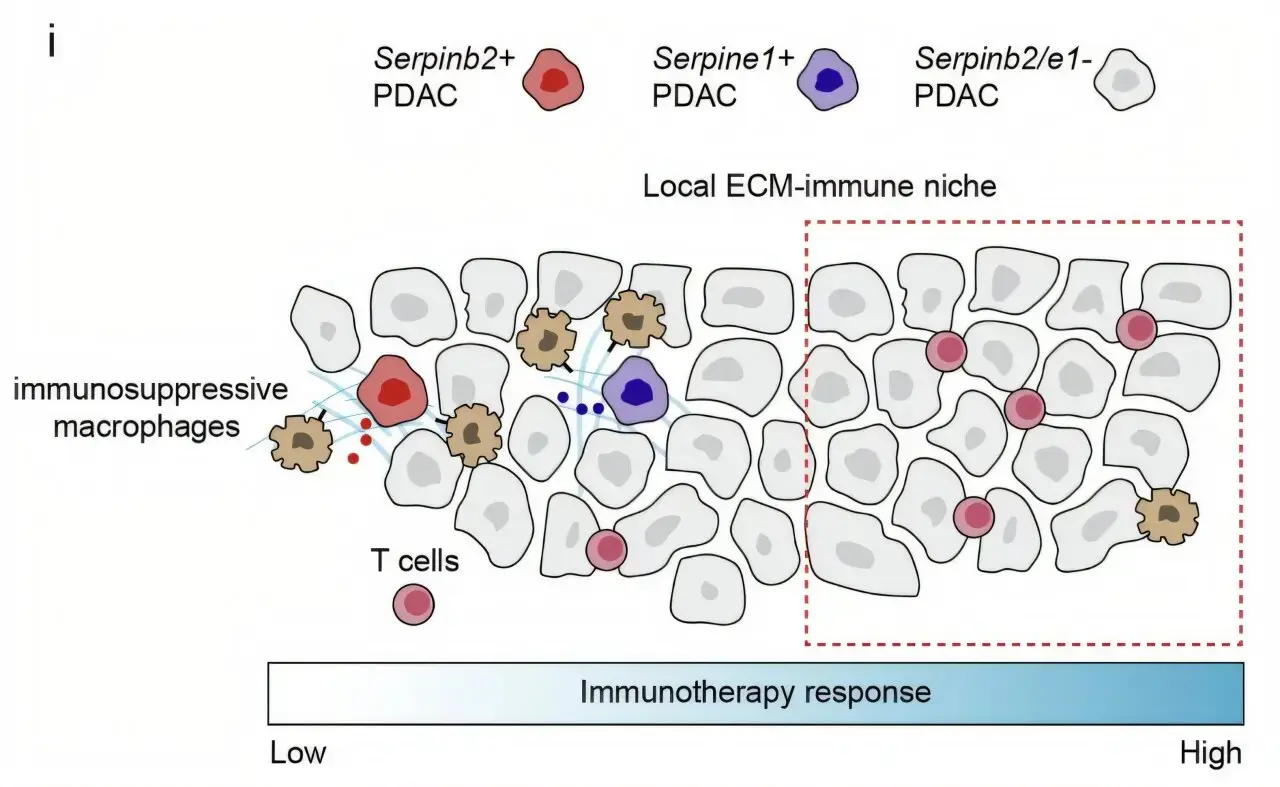 Pancreatic Cancer Hijacks Blood-Clotting System to Evade Immune Attack
 Survey Reveals Most Men Unaware Dairy May Increase Prostate Cancer Risk
The study indicates that while major depression can fluctuate throughout pregnancy, its intensity often reaches a peak shortly after delivery. Factors contributing to this increase may include hormonal changes, sleep deprivation, and the stress of adjusting to motherhood. Understanding these dynamics is crucial for providing timely support to new mothers.
The findings reveal a significant concern for maternal mental health. Researchers emphasize the importance of monitoring women in the weeks following childbirth. Symptoms of major depression can include persistent sadness, anxiety, and feelings of inadequacy, which can impact both the mother and her newborn. Early identification and intervention can help alleviate these challenges and improve outcomes for families.
Why Is This Timing Critical for New Mothers?
Support systems, including healthcare providers and community resources, play a vital role in addressing postpartum depression. The study suggests that increased awareness and education about the signs of depression can empower women to seek help.
The two-week mark post-delivery is a crucial period for emotional well-being. Many new mothers may feel overwhelmed as they navigate the demands of caring for a newborn. This emotional strain can lead to significant mental health issues if not addressed promptly.
Healthcare professionals are urged to provide resources and support during this time. Open conversations about mental health can help normalize the experience and encourage women to discuss their feelings without stigma.
Frequently Asked Questions
The implications of untreated postpartum depression can be profound, affecting not just the mother’s health but also the child’s development. Ensuring that new mothers receive the support they need is essential for fostering healthy family dynamics.
What are the signs of major depression after childbirth? Common signs include persistent sadness, anxiety, mood swings, and difficulty bonding with the baby. New mothers should seek help if these feelings persist.
How can new mothers get support for postpartum depression? Support can come from healthcare providers, family, and friends. Community resources and mental health professionals can also offer guidance and treatment options.
Content written by Dr. Nathan Cole for wellness-bio-radar.com editorial team, AI-assisted.