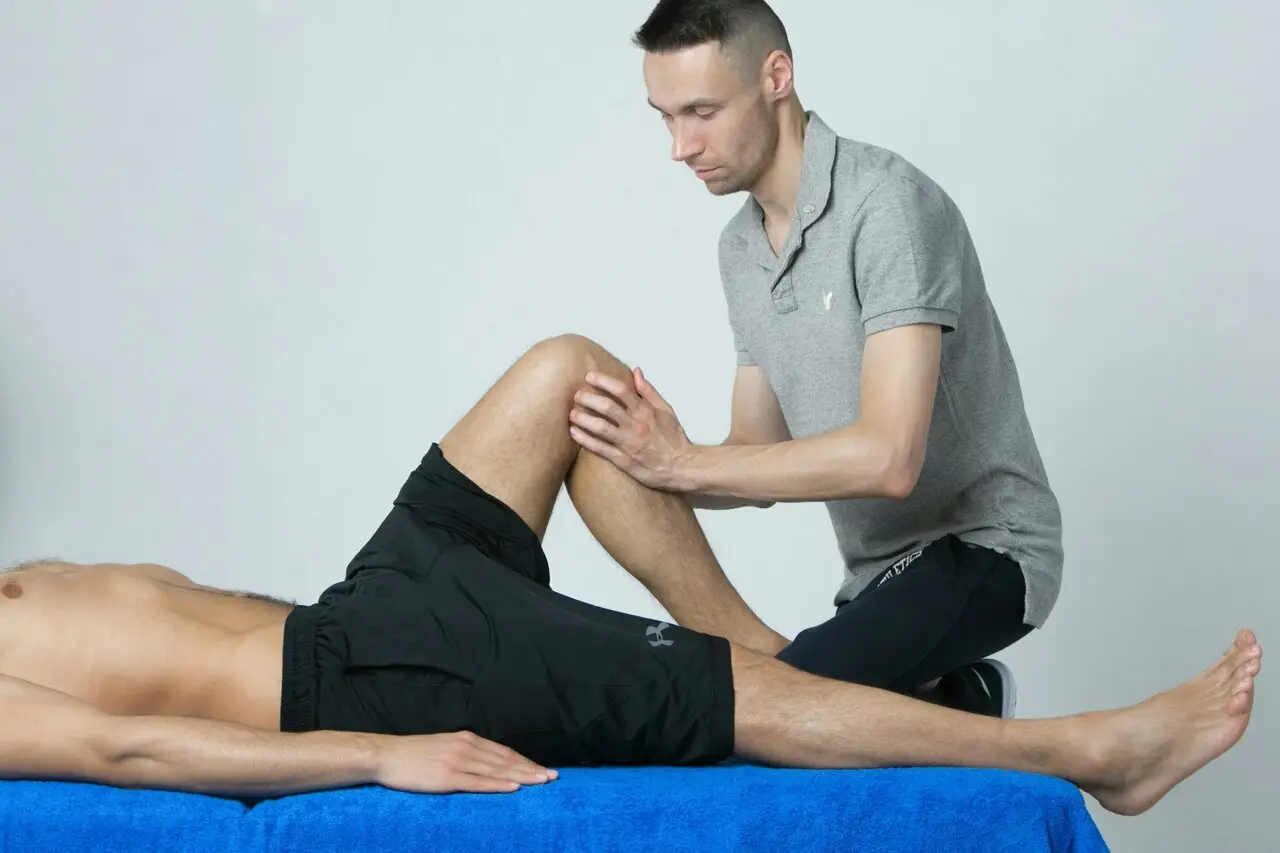
Supervised Physical Therapy Boosts Recovery After Knee Ligament Surgery
Why Professional Oversight Matters in Early Rehabilitation
A recent randomized clinical trial reveals significant benefits for young adults undergoing anterior cruciate ligament reconstruction. The study focused on patients who received structured, supervised physical therapy immediately following their operation. Researchers observed measurable improvements in both pain levels and functional mobility during the early recovery phase. These findings suggest that professional guidance accelerates the healing process compared to independent home exercises alone. The results highlight a critical window for intervention in post-surgical rehabilitation protocols.
Health news
 Ethical Decision-Making for Mental Health Professionals Using Large Language Models
 AI Discovers Hidden Health Data in Everyday CT Scans
 Ultra‑Processed Food Drives Up National Health Costs by $360,000 a Year
 Scientists engineer CAR-NK immune cells directly inside the body using mRNA nanoparticles
The investigation targeted young adults, a demographic frequently affected by sports-related knee injuries. Participants were randomly assigned to different rehabilitation groups to ensure unbiased outcomes. The primary intervention involved regular sessions led by qualified physical therapists. This approach allowed for real-time correction of movement patterns and muscle activation. By monitoring progress closely, clinicians could adjust exercise intensity based on individual tolerance. The study aimed to determine if this hands-on method yielded superior short-term results compared to standard care.
The core finding indicates that supervision directly correlates with reduced knee pain. Patients in the supervised group reported lower discomfort scores within weeks of surgery. Functional ability also improved markedly, allowing for better daily activities. The mechanism involves precise control over joint loading and muscle strengthening. Without expert feedback, patients often compensate with inefficient movements. This can lead to secondary strain or delayed healing. The trial demonstrated that guided therapy optimizes the biological response to surgical repair. It ensures that the reconstructed ligament heals under appropriate mechanical stress.
Does Home Exercise Match Clinical Results?
The comparison between supervised and unsupervised groups revealed distinct differences. While home-based programs offer convenience, they lack immediate corrective input. The study suggests that early-stage recovery demands higher precision than later phases. Young adults, who often return to high-impact activities, benefit most from this structure. The data supports a model where initial weeks involve frequent professional contact. As stability improves, the frequency of sessions may decrease. However, the foundation built during this critical period remains vital. The research does not imply that home exercise is useless, but rather that it is less effective when used exclusively in the short term.
The implications for clinical practice are clear. Healthcare providers should consider integrating supervised sessions into standard post-ACL protocols. This may require adjustments to insurance coverage and clinic scheduling. For patients, the message is straightforward: early professional involvement pays off. It reduces suffering and restores function faster. Future research will likely explore long-term outcomes and cost-effectiveness. For now, the evidence strongly favors a guided start to the rehabilitation journey.
Frequently Asked Questions
Who benefits most from supervised therapy after ACL surgery? Young adults recovering from anterior cruciate ligament reconstruction see the greatest short-term gains. This group typically has higher activity goals and faster metabolic rates. Professional oversight helps them meet these demands safely.
How quickly do improvements occur? Significant reductions in pain and enhancements in function appear in the early weeks post-operation. The study focused on this initial phase of recovery. Benefits are most pronounced when therapy begins promptly after surgery.
Is home exercise still necessary? Home exercises remain an important component of overall rehabilitation. However, the trial suggests they work best when combined with initial professional supervision. Relying solely on home routines may delay optimal short-term results.
Content written by Medical Xpress for wellness-bio-radar.com editorial team, AI-assisted.