
Diabetic Retinal Gene Therapy Shows Early Promise After Three Years
One‑Time Treatment Could Transform Diabetic Eye Care
In a small clinical study, a single injection of a gene‑based therapy for diabetic eye disease produced measurable improvements in half of the participants after three years. The trial, conducted in the United States, evaluated the efficacy of a novel approach that aims to replace a missing protein in the retina, potentially eliminating the need for repeated treatments.
Health news
 Early Detection of Alzheimer’s: Blood Test Meets Digital App
 Study Links Pregnancy Complications to Future Heart and Kidney Disease
 Study identifies RGS4 protein as potential target for chronic pain
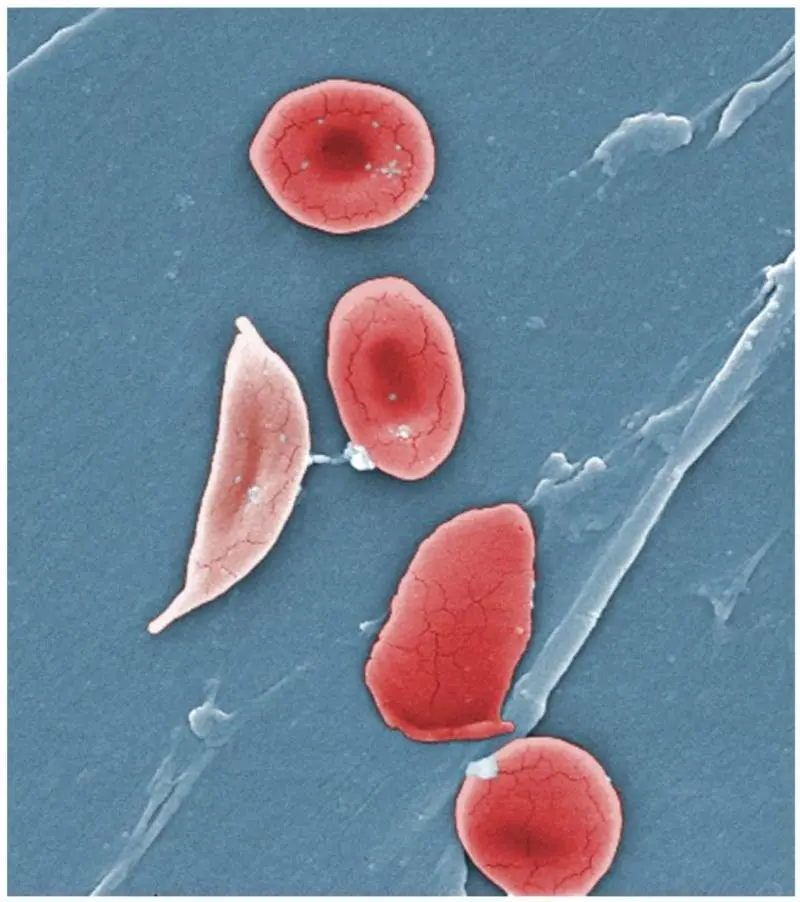 Sickle‑Cell Pain Reveals Unexpected Blood Protein Signatures
The therapy, developed by a biotechnology company, delivers a functional copy of the gene that encodes for the protein RPE65. The protein is essential for the visual cycle, and its deficiency contributes to progressive vision loss in diabetic retinopathy. Patients received one intravitreal injection and were followed for 36 months, with visual acuity and retinal thickness measured at regular intervals.
Six out of ten participants showed an improvement of two or more steps on a standardized severity scale. This improvement was quantified by changes in best‑corrected visual acuity and a reduction in macular edema. The study’s interim data suggest that the gene therapy could provide lasting benefits, contrasting with current practice that requires patients to return for monthly or quarterly injections of anti‑vascular endothelial growth factor drugs.
How Reliable Are the Results? What Comes Next?
The potential of a single‑visit therapy is significant for both patients and healthcare systems. Diabetic retinopathy often requires lifelong monitoring and repeated intravitreal injections, which can be burdensome and costly. By delivering a permanent genetic correction, the new treatment could reduce clinic visits, lower treatment costs, and improve patient adherence. Early data also indicate that the therapy is well tolerated, with no serious adverse events reported during the three‑year follow‑up.
Researchers highlighted that the mechanism of action involves restoring the visual cycle in retinal pigment epithelial cells. This restoration reduces the accumulation of toxic by‑products that damage photoreceptors. The trial’s design included a control group receiving standard care, allowing a direct comparison of outcomes. Although the sample size is limited, the consistency of improvement across multiple patients is encouraging.
The study’s limited enrollment raises questions about the generalizability of the findings. Larger, randomized trials are necessary to confirm safety and efficacy across diverse populations. Additionally, the durability of the gene expression beyond three years remains unknown. Regulators will likely require extended follow‑up before approving the therapy for widespread use.
Future research will focus on optimizing dosing, exploring combination with existing anti‑VEGF agents, and assessing long‑term ocular health. If successful, the therapy could shift the treatment paradigm for diabetic retinopathy, moving from a reactive injection schedule to a proactive, one‑time intervention.
Frequently Asked Questions
What is the main advantage of this gene therapy over current treatments? It offers the possibility of a single injection that may provide lasting vision improvement, reducing the need for repeated clinic visits and injections.
Are there any safety concerns reported so far? No serious adverse events were observed during the three‑year follow‑up, but larger studies are needed to fully assess long‑term safety.
When might patients expect to see this therapy available? Regulatory approval will depend on the outcomes of larger trials and extended safety data; it could take several years before the treatment becomes widely accessible.
Content written by Kyle Umipig for wellness-bio-radar.com editorial team, AI-assisted.