The Science Behind Cellular Light Exposure
Boosting Biological Energy Efficiency
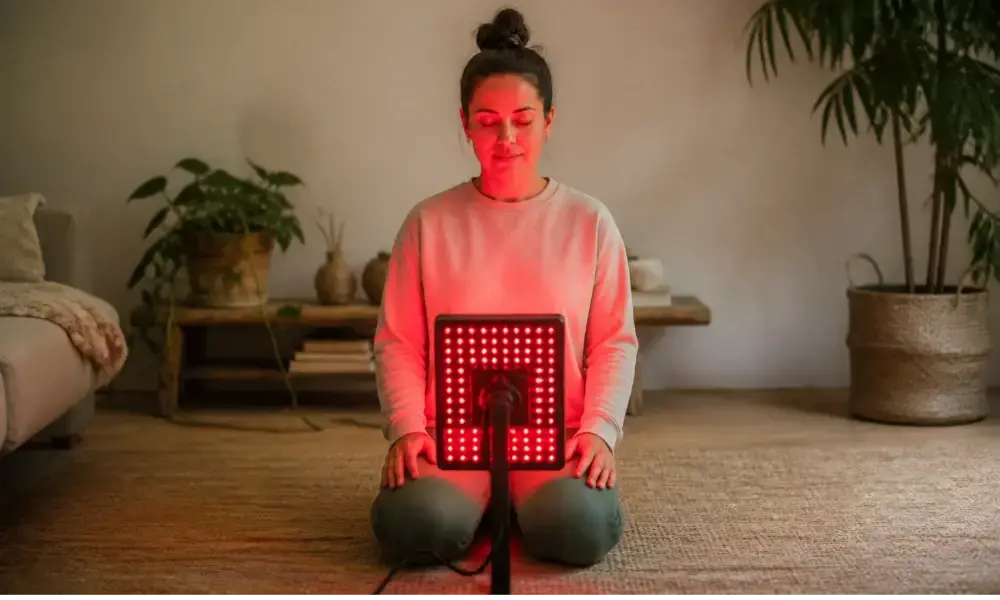
Red light therapy is rapidly moving from niche wellness trend to mainstream medical practice. By delivering specific wavelengths of light deep into human tissue, this treatment stimulates cellular activity. Experts believe this process enhances natural healing, reduces inflammation, and boosts energy production within the body’s fundamental building blocks during daily sessions.
Health news
 IVF Births Linked to Higher Levels of Mobile DNA Elements
 Immune Aging Shows Two Acceleration Peaks at Ages 40 and 60
 Evipedia Expands Health Knowledge Through Hugging Face Integration
 Memory Loss May Not Be the First Dementia Warning Sign
The primary mechanism involves the mitochondria, often referred to as the powerhouses of the cell. When these organelles absorb red light, they trigger a chemical reaction that increases the production of adenosine triphosphate, or ATP. This molecule acts as the primary fuel source for cellular functions, allowing tissues to repair themselves more efficiently after injury or stress.
Beyond simple energy production, red light therapy plays a critical role in managing oxidative stress. By optimizing mitochondrial function, the treatment helps cells neutralize harmful free radicals that contribute to aging and tissue degradation. This balance allows the body to maintain homeostasis while accelerating the recovery of damaged skin, muscles, and connective tissues.
Does Light Therapy Truly Repair Damaged Tissue?
The therapy works by penetrating the skin barrier to reach underlying structures. Once absorbed, the light energy encourages a cascade of biological responses. These include improved blood flow and a decrease in systemic inflammation. Patients often report faster healing times and reduced discomfort following consistent exposure to these targeted light frequencies.
The evidence suggests that red light therapy provides a significant advantage for natural tissue regeneration. By supporting the metabolic needs of stressed cells, the treatment creates an optimal environment for growth and recovery. As research continues to evolve, this non-invasive approach is becoming a standard tool for those seeking to enhance physical performance and longevity.
Future applications may expand further as scientists better understand the specific light spectrums required for different health outcomes. While the technology is already widely accessible, ongoing studies aim to refine dosage protocols for maximum efficacy. This ensures that users receive the most precise benefits for their specific recovery needs without unnecessary exposure.
Frequently Asked Questions
How does red light affect cellular energy? The light stimulates mitochondria to produce more ATP, which acts as fuel for cellular repair. This process increases the overall energy available for tissue maintenance.
Can this therapy reduce inflammation? Yes, by lowering oxidative stress and improving blood flow, red light therapy helps control inflammatory responses. This aids in faster healing for injuries and chronic discomfort.
Is this treatment safe for daily use? Red light therapy is generally considered non-invasive and safe for regular application. Most users integrate it into their daily wellness routines to maintain cellular health.
Content written by Dr. Elena Voss for wellness-bio-radar.com editorial team, AI-assisted.