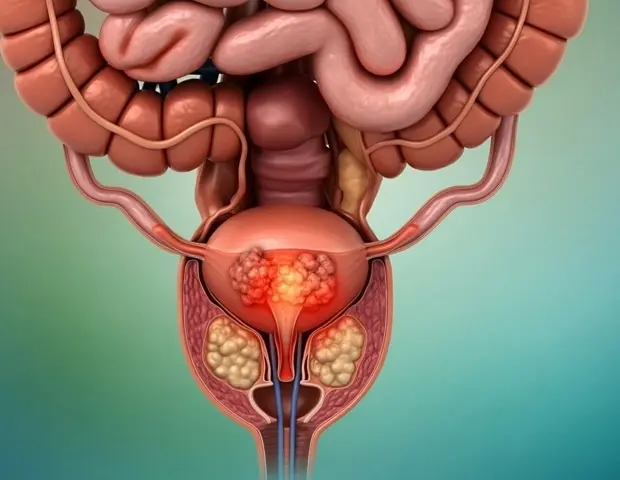
Uncovering the Cellular Switch Behind Advanced Prostate Resistance
The Role of Transfer RNA in Cancer Adaptation
Researchers at the University of Chicago and the Fred Hutchinson Cancer Center have uncovered a hidden biological mechanism. This discovery explains how advanced prostate cancer resists standard therapies by altering its fundamental cell identity. Published recently in Nature, the multi-institutional study points to a specific transfer RNA molecule as the primary driver behind this dangerous treatment evasion.
Health news
 Exercise and Mood: Italian Study Links Physical Activity to Lower Depression Symptoms
 Screen Time in Childhood Linked to Unexpected Cognitive Boost in Teens, 8‑Year Study Shows
 Workplace stress and anxiety are taking a heavy toll on employees, with one in three workers reporting that the strain is not easing
 Daily Food Habit Tied to Lower Risk of Anxiety and Depression
Prostate cancer often initial responds well to hormone deprivation therapies. Over time, however, the malignancy frequently mutates into aggressive, treatment-resistant forms like neuroendocrine prostate cancer. Scientists previously struggled to understand how tumor cells successfully reprogrammed themselves to bypass targeted medications. The new research reveals that a transfer RNA known as tRY-CCA plays a central role in facilitating this cellular transformation.
Transfer RNA molecules normally help translate genetic codes into functional proteins within healthy cells. In the context of advanced prostate cancer, this specific tRNA acts far beyond its standard supportive duties. It actively promotes the survival and evolution of rogue cancer cells facing therapeutic pressure. By driving shifts in cellular identity, the molecule allows tumors to escape standard medical interventions.
Can This Discovery Lead to New Therapies?
The collaborative research team utilized advanced genomic sequencing and laboratory models to track these molecular changes. They observed that suppressing the rogue tRNA effectively halted the dangerous cellular reprogramming in experimental settings. Without this specific biological driver, the aggressive cancer cells struggled to adapt and maintain their resistance against targeted treatments.
Translating these laboratory findings into clinical treatments remains the next major hurdle for the research team. Scientists are now working to develop targeted inhibitors that can safely block this specific tRNA in human patients. If successful, this approach could sensitize treatment-resistant prostate tumors and restore the effectiveness of existing therapies.
Frequently Asked Questions
This breakthrough offers fresh hope for patients diagnosed with advanced and treatment-resistant forms of prostate cancer. Researchers believe targeting cellular plasticity represents a promising new frontier in oncology. Future clinical trials will determine whether blocking these specific RNA mechanisms can significantly improve patient survival rates.
What institutions led the prostate cancer study? Researchers from the University of Chicago and the Fred Hutchinson Cancer Center spearheaded the collaborative research effort.
Where were the study results published? The findings detailing the novel biological mechanism were published in the scientific journal Nature.