
Alzheimer's Treatment Takes a Safer Turn
A New Era in Alzheimer's Treatment
In 2025, the European Medicines Agency approved two groundbreaking treatments for Alzheimer's disease: lecanemab and donanemab. These therapies, developed by Biogen and Eli Lilly and Company, respectively, marked a significant shift towards immunotherapy-based treatments.
Health news
 Sleep May Be the Heart's Nightly Repair Window, Study Suggests
 APOE Genotype Influences How Well Blood Tau Protein Predicts Cognitive Decline
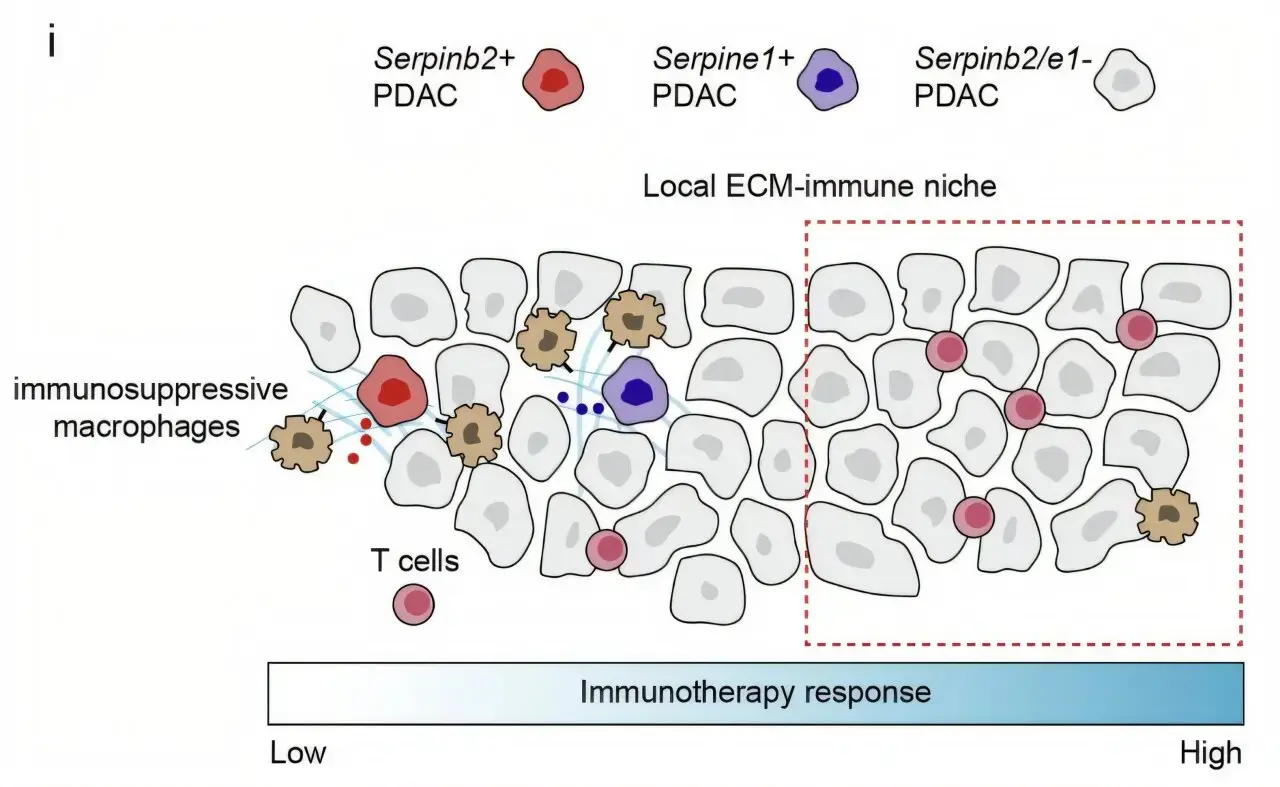 Pancreatic Cancer Hijacks Blood-Clotting System to Evade Immune Attack
 Survey Reveals Most Men Unaware Dairy May Increase Prostate Cancer Risk
The two approved antibodies target amyloid beta, a protein associated with the progression of Alzheimer's. Lecanemab, also known by its brand name Leqembi, and donanemab, or Kisunla, work by binding to amyloid beta, helping to clear it from the brain. This approach aims to slow disease progression.
Can Fragments Offer a Safer Alternative?
Researchers have been exploring antibody-based treatments for years, but recent advancements have focused on enhancing safety and efficacy. A team at the Universitat Autònoma de Barcelona has been instrumental in this area, investigating alternative approaches to traditional antibodies.
One promising area of research involves using antibody fragments instead of full antibodies. These fragments can potentially reduce the risk of adverse reactions while maintaining therapeutic effectiveness. By leveraging the immune system's capabilities, scientists hope to provide patients with a safer, more reliable treatment option.
What Does This Mean for Patients?
The development of safer treatments could significantly improve the quality of life for Alzheimer's patients. With a reduced risk of side effects, patients may be able to continue treatment with minimal interruptions, potentially slowing disease progression.
Q: What are lecanemab and donanemab? A: Lecanemab and donanemab are antibody-based treatments for Alzheimer's disease, approved by the European Medicines Agency in 2025. They target amyloid beta to slow disease progression.
Frequently Asked Questions
Q: How do antibody fragments differ from traditional antibodies? A: Antibody fragments are smaller and may offer a safer alternative by reducing the risk of adverse reactions while maintaining therapeutic effectiveness.
Q: What does the future hold for Alzheimer's treatment? A: Ongoing research into immunotherapy and alternative approaches, such as antibody fragments, aims to provide safer, more effective treatments for Alzheimer's patients, potentially improving their quality of life.
Content written by Dr. Nathan Cole for wellness-bio-radar.com editorial team, AI-assisted.