
APOE Genotype Influences How Well Blood Tau Protein Predicts Cognitive Decline
Stronger Prediction in High-Risk Groups
A new study pooling data from 8,582 adults across seven long-term research cohorts shows that a blood test measuring phosphorylated tau 217 (p-tau217) is more accurate at forecasting early cognitive problems in people who carry the APOE ε4 gene variant linked to Alzheimer’s disease.
Health news
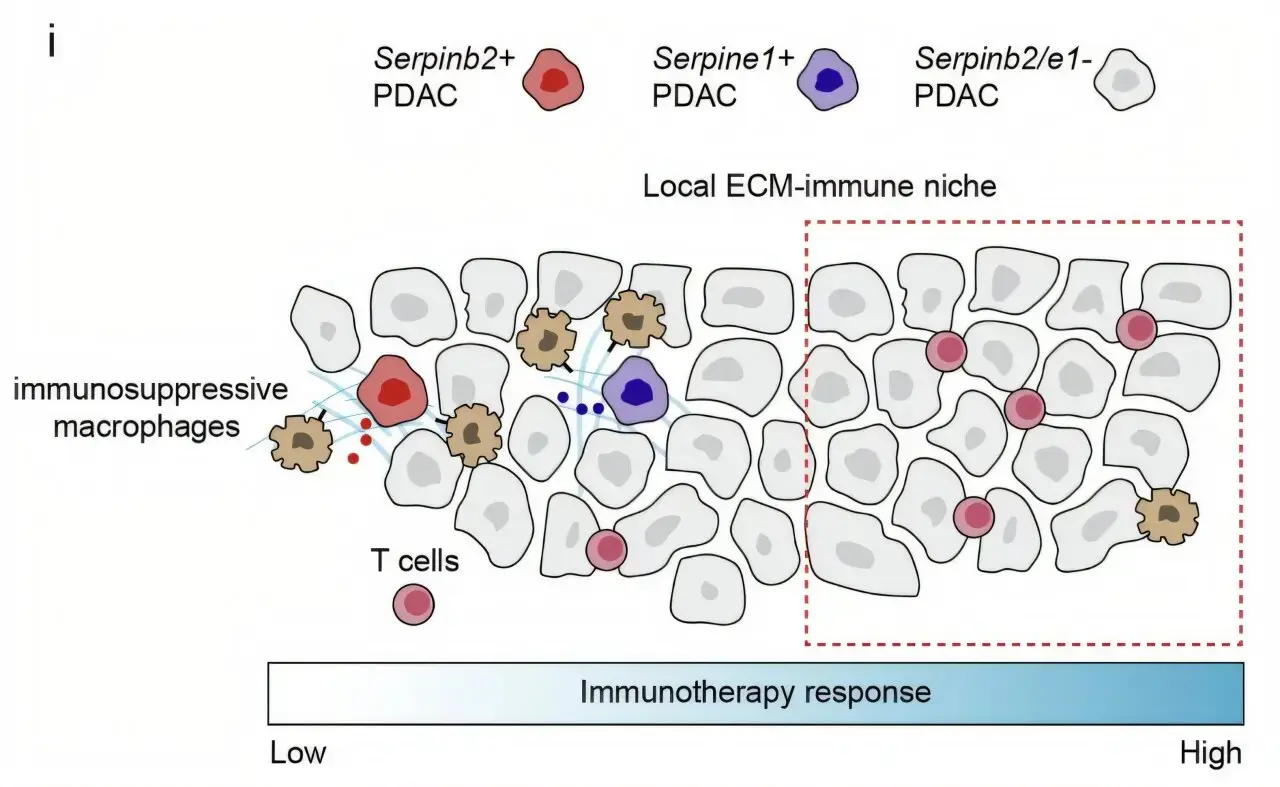 Pancreatic Cancer Hijacks Blood-Clotting System to Evade Immune Attack
 Survey Reveals Most Men Unaware Dairy May Increase Prostate Cancer Risk
 Therapeutic Gardening Shows Promise for Mental Health in Adults with Chronic Illnesses
 Scientists Identify Target to Undermine Pancreatic Cancer Shield
The findings, published September 14, 2026, suggest that p-tau217 levels carry different prognostic weight depending on a person’s APOE genotype, potentially guiding more personalized screening strategies.
Researchers from the pooled cohort study examined plasma samples and cognitive assessments collected over several years from diverse populations. They found that elevated p-tau217 predicted faster progression to mild cognitive impairment or dementia, but this association was significantly stronger among APOE ε4 carriers compared to non-carriers.
Among participants with two copies of the APOE ε4 allele, those with high baseline p-tau217 levels experienced cognitive decline nearly five years earlier on average than those with low levels. In contrast, the difference was minimal in individuals without any APOE ε4 variants, indicating that genetic background modifies the biomarker’s predictive power.
Can This Improve Early Detection?
Lead researchers noted that incorporating APOE status into blood-based screening could improve risk stratification, especially in midlife populations where early intervention matters most.
Yes, but with caveats. While p-tau217 remains a robust indicator regardless of genotype, combining it with APOE testing may help clinicians identify high-risk individuals sooner. However, widespread use of APOE genotyping raises ethical and practical concerns, particularly around psychological impact and insurance implications.
The study also highlighted differences across ethnic groups, though results remained consistent in adjusted models. Researchers emphasized the need for further validation in larger, more diverse samples before clinical implementation.
Frequently Asked Questions
Looking ahead, experts say integrating blood biomarkers like p-tau217 into routine care depends not only on accuracy but also on accessibility and public education. As preventive therapies advance, identifying at-risk individuals earlier becomes critical—and tailoring predictions by genetics may be key.
What does p-tau217 measure? It detects abnormal tau protein buildup in the brain, an early hallmark of Alzheimer’s disease, using a simple blood draw.
Does APOE status affect test accuracy? Yes, the study found that p-tau217 better predicts cognitive decline in APOE ε4 carriers than in non-carriers.
Should people get tested now? Not routinely. These tests remain primarily for research settings until more evidence supports their clinical utility and ethical use.
Content written by Claire Ashworth for wellness-bio-radar.com editorial team, AI-assisted.