Blocking ANO6 Protein Offers New Hope for Pancreatic Tumors
Unlocking the Cholesterol-Sharing Secret
Scientists at the Fox Chase Cancer Center discovered a promising therapeutic target for pancreatic cancer by demonstrating that blocking the ANO6 protein slows tumor growth and reduces immune suppression in laboratory trials.
Health news
 Vegan Diets May Reduce Gut Bacteria Diversity, Study Finds
 Music with beats cuts stress hormone more than pink noise
 Epigenetic Shifts Can Trigger Liver Cancer Without DNA Damage
 Blood Clots and Brain Tumors Linked by Overactive Platelets
Published in the journal Nature Cancer, the study reveals how pancreatic cancer cells exploit this specific protein. The research team focused on understanding the molecular mechanisms driving tumor progression and immune evasion. By targeting ANO6, they observed significant improvements in preclinical models.
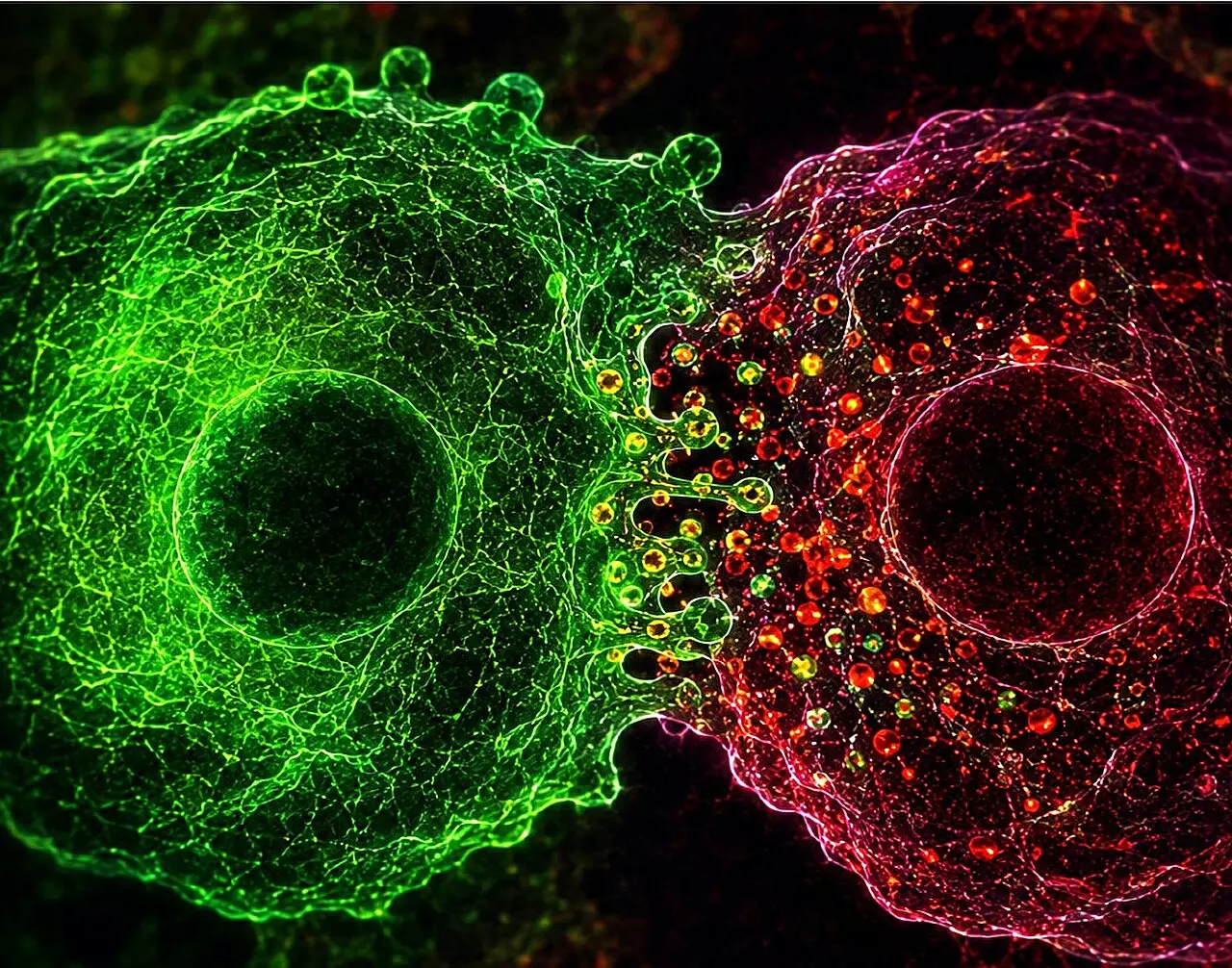
The investigation centered on a previously unknown cholesterol-sharing mechanism utilized by the cancer cells. Researchers found that ANO6 facilitates this lipid exchange, which helps tumors expand and evade the body's natural defense systems.
Can Blocking This Protein Overcome Immune Suppression?
When the scientific team blocked ANO6 function, the malicious cells lost their ability to share vital resources. This disruption directly impaired the capacity of the tumors to multiply unchecked within the host environment.
Interfering with the ANO6 protein did more than just stunt physical tumor enlargement. It also successfully dismantled the protective shield tumors use to hide from the host immune system.
Restoring immune activity represents a major hurdle in treating this specific malignancy. This new therapeutic strategy could potentially reawaken the body's defenses to attack the rogue cells more effectively.
Frequently Asked Questions
Future clinical developments will focus on translating these laboratory findings into viable treatments for patients. Researchers hope this discovery paves the way for novel therapies that significantly improve survival rates for this aggressive disease.
What protein did researchers target in the study? The research team focused on a protein known as anoctamin 6, or ANO6. Blocking this specific protein proved effective in laboratory trials.
Where was the research conducted and published? The study was conducted by specialists at the Fox Chase Cancer Center. Their findings were officially published in the scientific journal Nature Cancer.