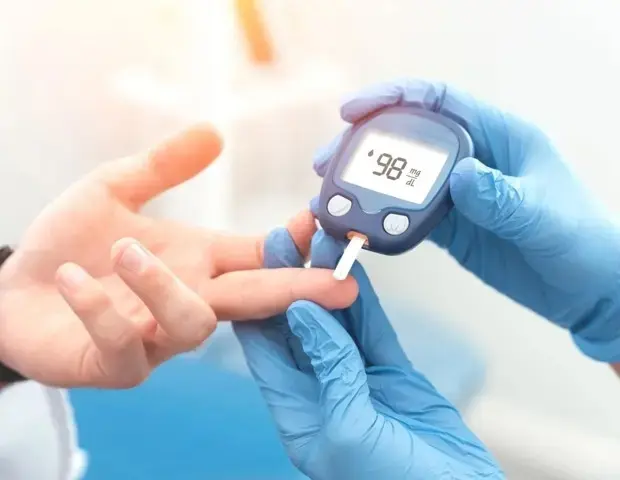
Breakthrough Hydrogel Therapy for Type 1 Diabetes
Shielding Insulin-Producing Cells
Researchers at the University of Geneva and Geneva University Hospitals made a significant breakthrough in treating type 1 diabetes on May 18, 2026. They developed an innovative hydrogel supporting insulin-producing cells after transplantation.
Health news
 Sleep May Be the Heart's Nightly Repair Window, Study Suggests
 APOE Genotype Influences How Well Blood Tau Protein Predicts Cognitive Decline
 Pancreatic Cancer Hijacks Blood-Clotting System to Evade Immune Attack
 Survey Reveals Most Men Unaware Dairy May Increase Prostate Cancer Risk
The team used the hydrogel to regulate blood sugar levels in diabetic mice successfully. This innovative approach involves encapsulating insulin-producing cells in a protective gel, shielding them from the immune system.
The hydrogel creates a protective barrier around the cells, allowing them to function properly and produce insulin as needed. This is crucial because type 1 diabetes occurs when the immune system attacks and destroys insulin-producing cells. By safeguarding these cells, the hydrogel enables them to regulate blood sugar levels effectively.
Can Hydrogel Therapy Replace Insulin Injections?
The researchers observed that the hydrogel-supported cells maintained normal blood sugar levels in diabetic mice for several months. This suggests that hydrogel therapy could potentially reduce or eliminate the need for insulin injections in type 1 diabetes patients.
The successful regulation of blood sugar levels in diabetic mice has significant implications for the treatment of type 1 diabetes. If further research confirms these findings, hydrogel therapy could revolutionize the management of the condition.
Frequently Asked Questions
What is the hydrogel made of? The hydrogel is a biocompatible material designed to support insulin-producing cells. It is not fully disclosed in the research.
How long did the hydrogel-supported cells function? The cells maintained normal blood sugar levels in diabetic mice for several months.
Will hydrogel therapy be available for humans soon? Further research is needed to confirm the efficacy and safety of hydrogel therapy in humans.
Content written by Dr. Nathan Cole for wellness-bio-radar.com editorial team, AI-assisted.