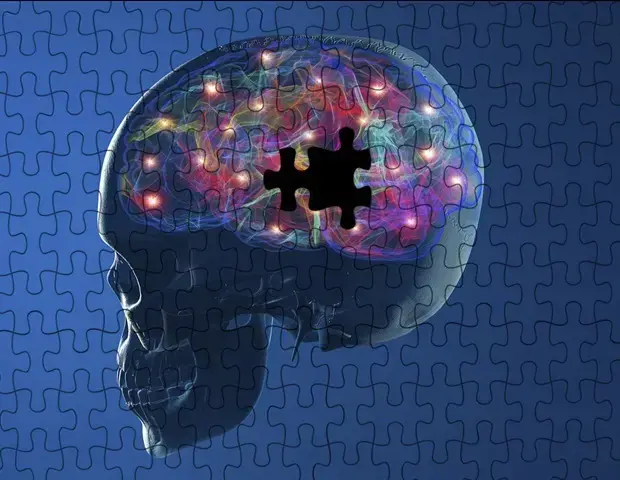
New Parkinson's Therapy Breakthrough
Protein Structure Uncovered
Researchers at a US medical institution have made a key discovery. They found how a protein linked to Parkinson's disease works.
Health news
 APOE Genotype Influences How Well Blood Tau Protein Predicts Cognitive Decline
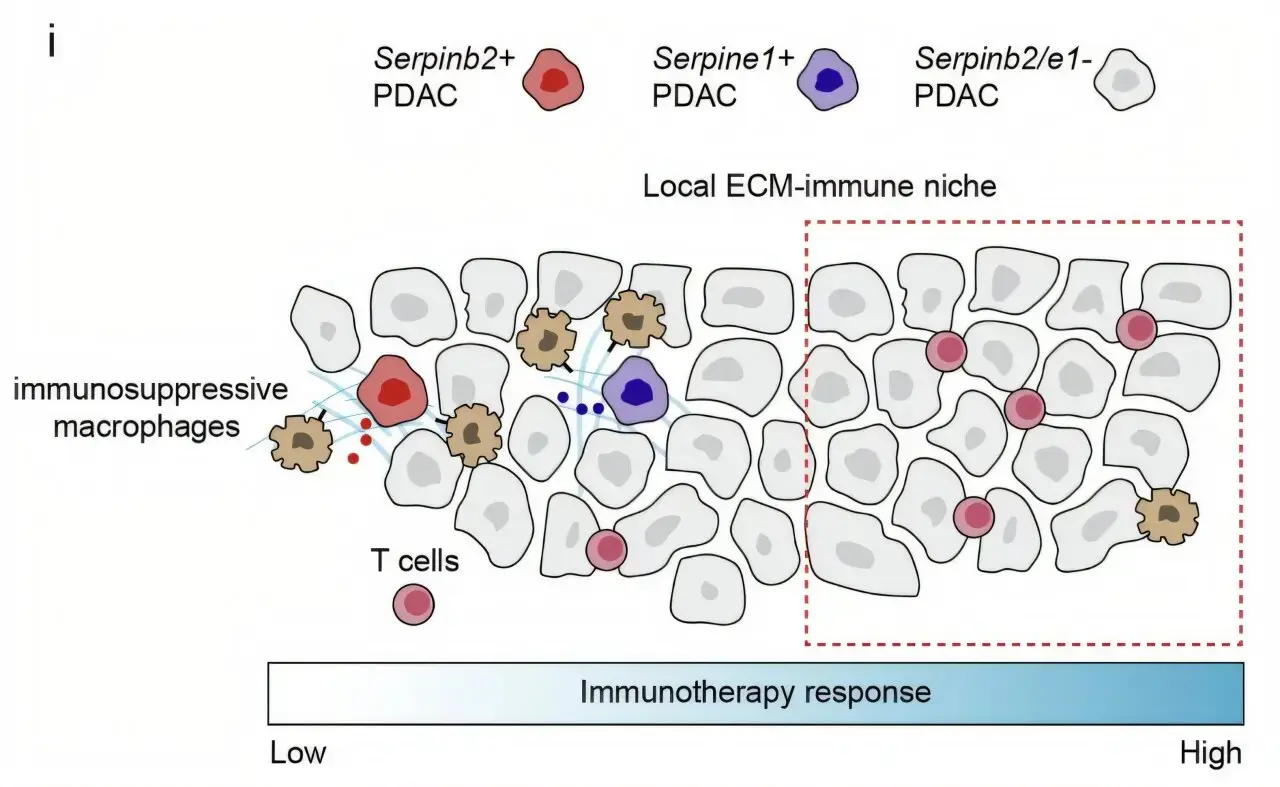 Pancreatic Cancer Hijacks Blood-Clotting System to Evade Immune Attack
 Survey Reveals Most Men Unaware Dairy May Increase Prostate Cancer Risk
 Therapeutic Gardening Shows Promise for Mental Health in Adults with Chronic Illnesses
The protein, called LRRK2, can be inactive or active. Mutations can make it overactive, leading to Parkinson's. This discovery could lead to new treatments.
The researchers studied how LRRK2 shifts between its two forms. They found that certain mutations cause it to become overactive. This can lead to the development of Parkinson's disease. The discovery reveals the structural changes that occur.
What Causes Overactivity?
The researchers are still studying how LRRK2 becomes overactive. They hope to find a way to stop or slow this process. This could lead to new treatments for Parkinson's disease. The discovery is a major step forward in understanding the disease.
The discovery could lead to new targeted therapies. These therapies could help people with Parkinson's disease. The researchers are hopeful about the potential benefits.
Frequently Asked Questions
What is LRRK2? LRRK2 is a protein linked to Parkinson's disease. It can be inactive or active, and mutations can make it overactive.
What does the discovery mean? The discovery could lead to new treatments for Parkinson's disease. It reveals the structural changes that occur when LRRK2 becomes overactive. This could help researchers find a way to stop or slow the process.
How will the discovery help? The discovery will help researchers understand Parkinson's disease better. It could lead to new targeted therapies that help people with the disease. The researchers are hopeful about the potential benefits of the discovery.
Content written by Claire Ashworth for wellness-bio-radar.com editorial team, AI-assisted.