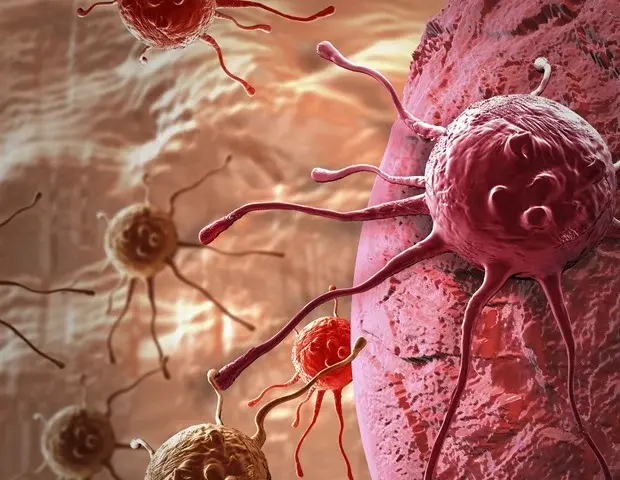
Extracellular Vesicles: New Insights into Aging and Cancer
EVs as Drivers of Cellular Senescence
A comprehensive review was released on September 30, 2026, in the 13th volume of Oncoscience. The paper, titled „Extracellular vesicles in health, aging and disease,” examines how microscopic vesicles released by cells influence normal physiology, the aging process, and the development of cancer.
Health news
 Exercise and Mood: Italian Study Links Physical Activity to Lower Depression Symptoms
 Screen Time in Childhood Linked to Unexpected Cognitive Boost in Teens, 8‑Year Study Shows
 Workplace stress and anxiety are taking a heavy toll on employees, with one in three workers reporting that the strain is not easing
 Daily Food Habit Tied to Lower Risk of Anxiety and Depression
The authors surveyed recent studies that map the composition and function of extracellular vesicles (EVs). They highlight how these particles shuttle proteins, RNA, and lipids between cells, acting as messengers that can promote tissue repair or, conversely, spread malignant traits. By integrating data from cellular, animal, and clinical investigations, the review clarifies how EVs contribute to both protective and harmful pathways in aging and tumor biology.
How Do Tumors Manipulate Intercellular Communication?
The review details evidence that EVs accumulate with age and carry senescence‑associated secretory factors. Older cells release vesicles enriched in pro‑inflammatory cytokines and microRNAs that can induce senescence in neighboring cells. Experimental models show that blocking EV release delays age‑related tissue dysfunction, suggesting a causal link. The authors argue that targeting EV biogenesis could become a therapeutic strategy to mitigate age‑related diseases.
Cancer cells exploit the same vesicular pathways to remodel their microenvironment. Tumor‑derived EVs contain oncogenic proteins and miRNAs that suppress immune responses and stimulate angiogenesis. In vitro studies demonstrate that these vesicles can reprogram stromal cells to support tumor growth. Moreover, circulating EVs from patients correlate with disease stage and prognosis, positioning them as potential biomarkers for early detection and monitoring.
Future Directions: From Bench to Bedside
The review emphasizes that the dual nature of EVs—beneficial in normal repair but detrimental when coopted by tumors—poses a challenge for therapeutic intervention. Researchers are exploring ways to selectively inhibit tumor‑derived vesicles while preserving physiological communication.
The authors conclude that a deeper understanding of EV biology could unlock new diagnostics and treatments for both aging disorders and cancer. They call for standardized isolation techniques and large‑scale clinical studies to validate EV‑based biomarkers. If successful, therapies that modulate vesicle production or cargo could complement existing anti‑cancer drugs and anti‑aging interventions, offering a novel avenue to improve healthspan and survival.
What are extracellular vesicles? EVs are tiny, membrane‑bound particles released by cells that carry proteins, RNA, and lipids to other cells, facilitating intercellular communication.
Frequently Asked Questions
How do EVs influence aging? In aged tissues, EVs become enriched with inflammatory signals and senescence‑promoting molecules, which can accelerate cellular aging and tissue dysfunction.
Can EVs be used as cancer biomarkers? Yes. Tumor‑derived EVs circulate in blood and contain specific proteins and miRNAs that correlate with cancer stage, making them promising non‑invasive biomarkers for diagnosis and monitoring.