New Insights on Visceral Fat, Blood Pressure Incentives, and PVCs in Cardiovascular Health
Are Blood Pressure Control Incentives Effective?
Recent studies highlight the importance of losing visceral fat through diet and exercise, rather than focusing solely on overall weight loss. These findings were discussed at a cardiology conference, emphasizing the significant role of visceral fat in cardiovascular health.
Health news
 Sleep May Be the Heart's Nightly Repair Window, Study Suggests
 APOE Genotype Influences How Well Blood Tau Protein Predicts Cognitive Decline
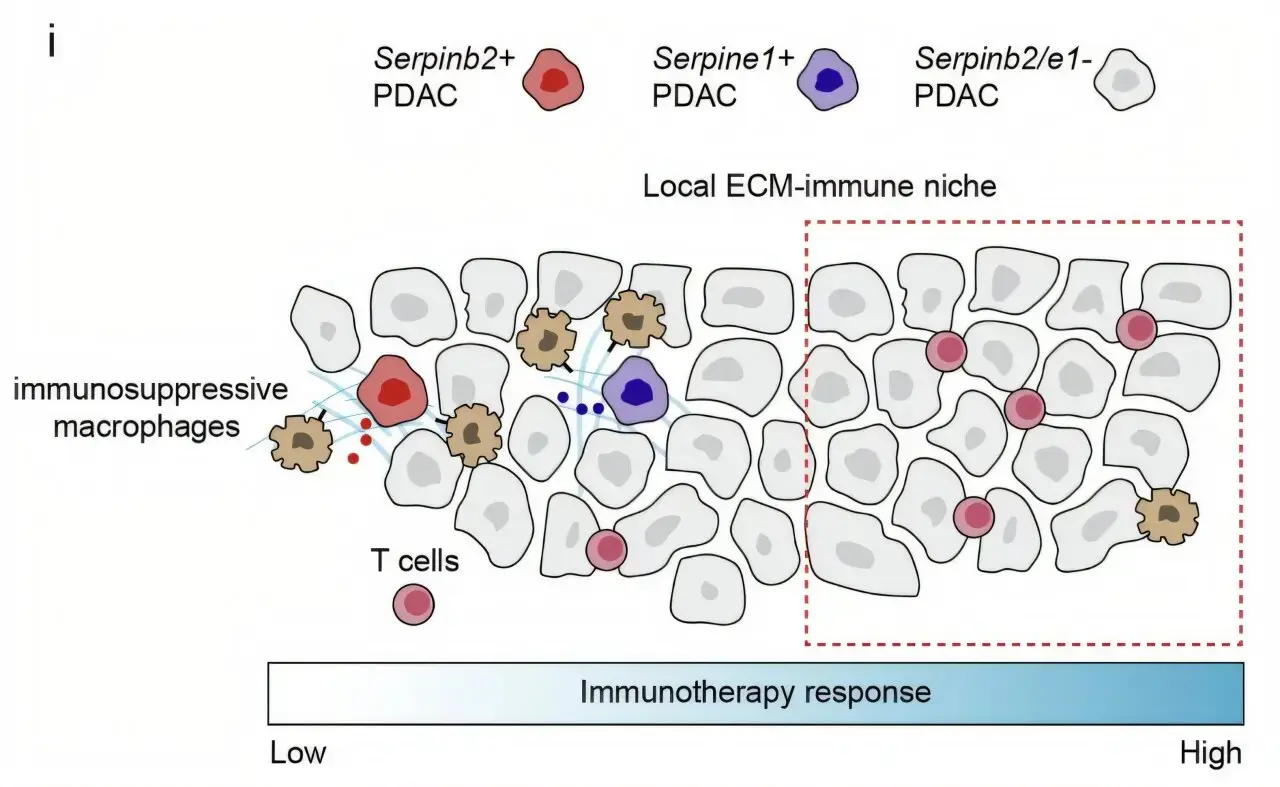 Pancreatic Cancer Hijacks Blood-Clotting System to Evade Immune Attack
 Survey Reveals Most Men Unaware Dairy May Increase Prostate Cancer Risk
Visceral fat, which surrounds internal organs, poses a greater health risk than subcutaneous fat. Researchers found that reducing visceral fat can improve heart health, even if overall weight remains unchanged. This insight shifts the focus from traditional weight loss metrics to more specific health indicators.
Incentives for controlling blood pressure may not yield the expected benefits. Some patients may feel discouraged if they do not meet targets, leading to decreased motivation. This unintended consequence highlights the need for a more supportive approach to managing hypertension.
What Should Patients Know About PVCs?
Furthermore, premature ventricular contractions (PVCs) have been deemed not as benign as previously thought. New research indicates that frequent PVCs could signal underlying heart issues, warranting further investigation. Experts urge patients experiencing these symptoms to consult healthcare providers for a thorough evaluation.
Patients often dismiss PVCs as harmless, but emerging studies suggest otherwise. Frequent PVCs can be a marker for more serious cardiovascular conditions. Understanding this can empower patients to seek timely medical advice and potentially prevent complications.
In summary, the latest findings underscore the importance of addressing visceral fat in cardiovascular health. As healthcare providers reassess incentive programs for blood pressure management, the conversation around PVCs also evolves. Patients are encouraged to stay informed and proactive about their heart health.
Frequently Asked Questions
What is visceral fat, and why is it important? Visceral fat is fat stored around internal organs, which can lead to serious health issues, including heart disease. Reducing this type of fat is crucial for improving cardiovascular health.
How can I reduce visceral fat? A combination of a balanced diet and regular exercise can effectively reduce visceral fat. Focus on whole foods, limit sugar intake, and engage in aerobic and strength-training activities.
Are PVCs dangerous? While occasional PVCs may be harmless, frequent occurrences could indicate underlying heart problems. It's advisable to consult a healthcare provider if you experience them regularly.
Content written by Marcus Reid for wellness-bio-radar.com editorial team, AI-assisted.