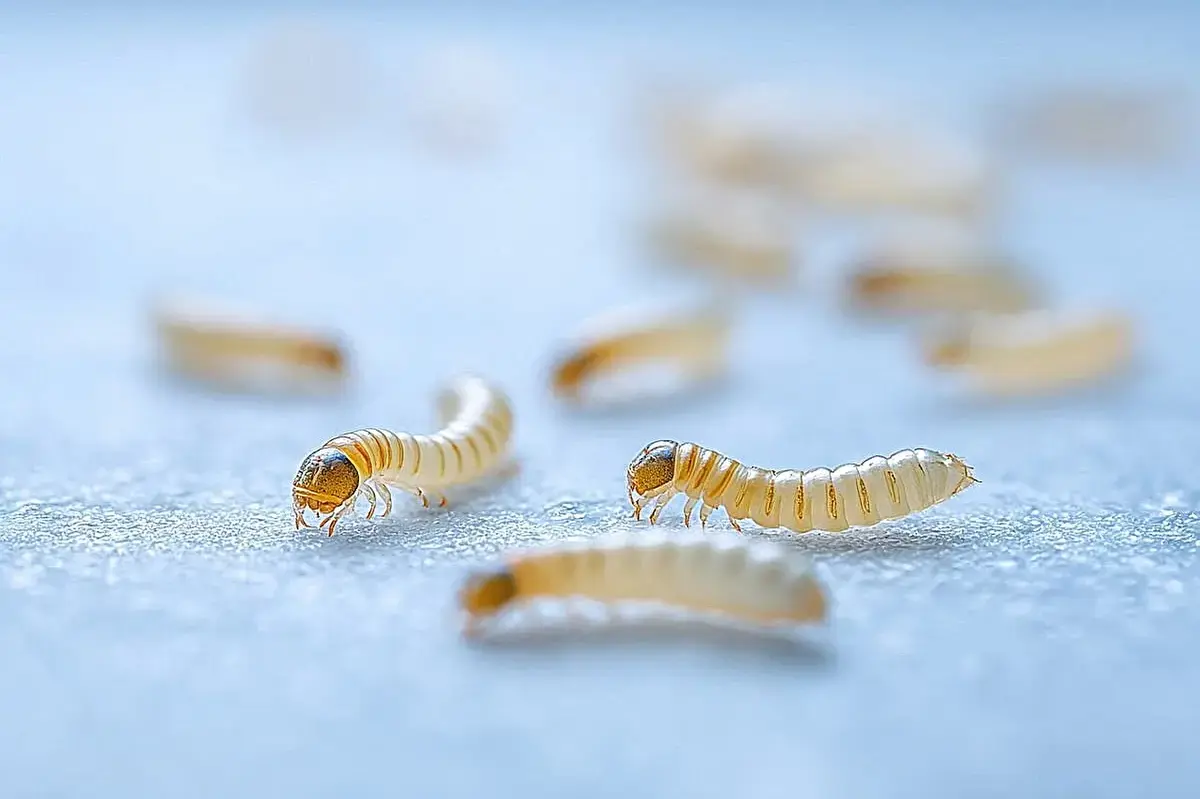
Fighting a Flesh-Eating Parasite
Containing the Outbreak
The US is battling the New World screwworm, a parasitic infestation recently found in southwestern animals. Federal health officials are leading the response. The parasite eats flesh, posing a significant threat to animals and humans.
Health news
 Students Lagg Behind Seniors in Physical Activity, Study Shows
 Sleep May Be the Heart's Nightly Repair Window, Study Suggests
 APOE Genotype Influences How Well Blood Tau Protein Predicts Cognitive Decline
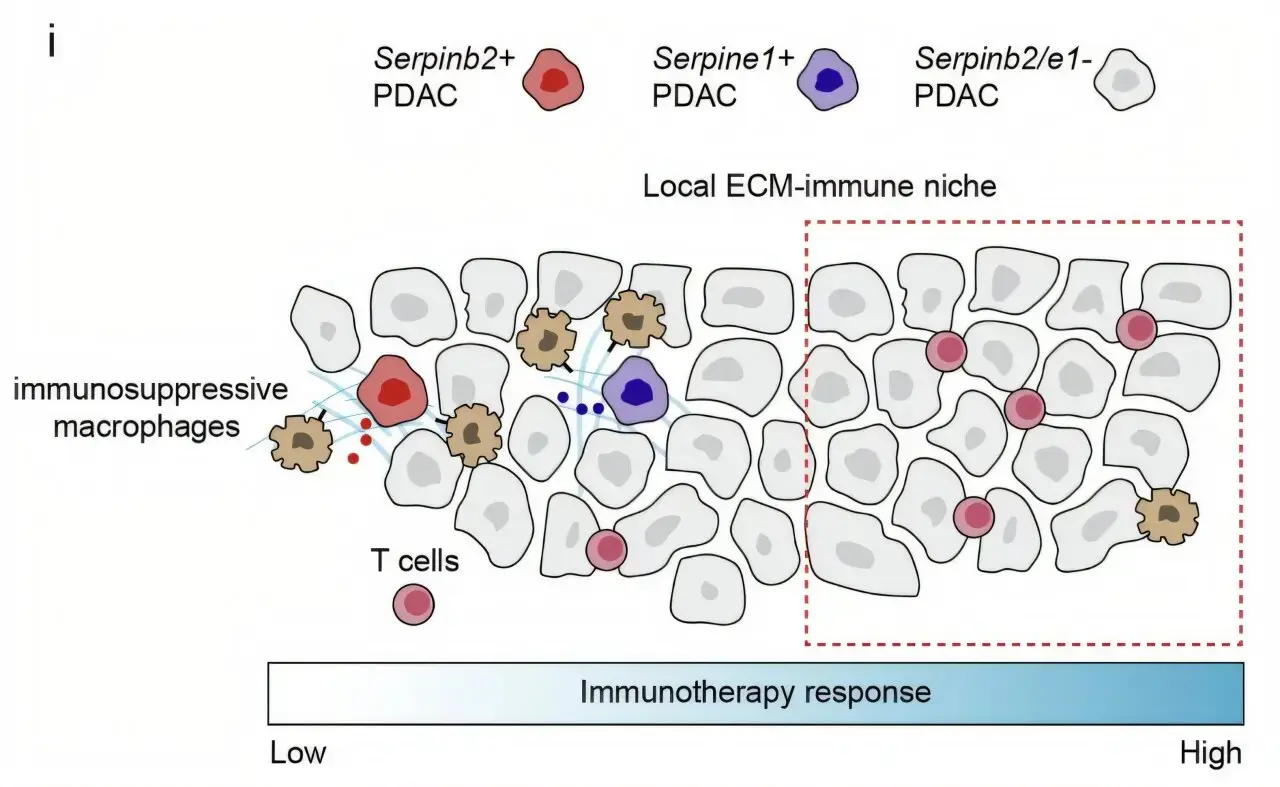 Pancreatic Cancer Hijacks Blood-Clotting System to Evade Immune Attack
The US Centers for Disease Control and Prevention has activated its emergency operations center to coordinate efforts against the parasite. The CDC is working with other agencies, including the US Department of Agriculture and the Food and Drug Administration.
The FDA has authorized the use of a specific drug to treat the infestation. This move aims to help control the spread of the parasite. The CDC is also working to identify the source of the outbreak and understand how it is spreading.
Can the Outbreak be Stopped?
The New World screwworm is native to South America and has been detected in Florida in the past. However, its presence in the southwest is a new development. The parasite can infest animals and, in rare cases, humans. It feeds on the flesh of its host, causing significant harm.
Experts are working to contain the outbreak, but the situation remains uncertain. The CDC is monitoring the situation closely, and officials are urging veterinarians and the public to be vigilant.
The consequences of the outbreak could be severe if not controlled. The parasite could spread to more areas, posing a risk to animals and humans. The outlook depends on the effectiveness of the response efforts.
Frequently Asked Questions
What is the New World screwworm? The New World screwworm is a parasitic fly larva that feeds on the flesh of its host, causing significant harm.
How is the parasite treated?
Can humans get infected? Yes, humans can be infected in rare cases, and the CDC is working to understand the risk.
Content written by Dr. Nathan Cole for wellness-bio-radar.com editorial team, AI-assisted.