Yo-Yo Dieting: Separating Fact from Fiction
Reassessing the Risks
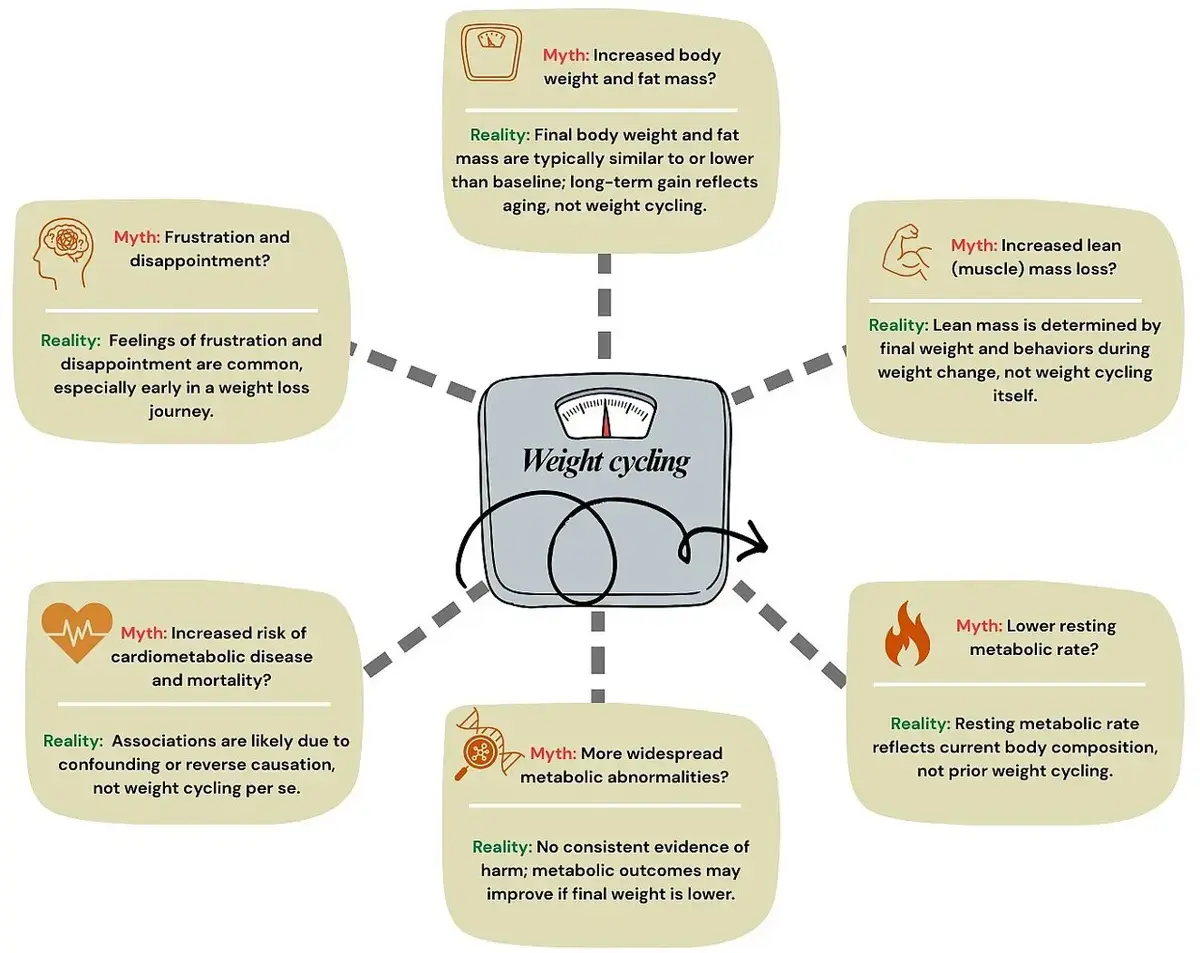
Researchers at the German Center for Diabetes Research have re-examined the effects of weight cycling, challenging long-held views on its health impacts. Weight cycling, or „yo-yo dieting,”refers to repeated cycles of weight loss and regain. This phenomenon is common among dieters.
Health news
 Whey Protein Hydrolysate Rich in Tryptophan Peptides Reduces Anxiety and Improves Sleep
 Students Lagg Behind Seniors in Physical Activity, Study Shows
 Sleep May Be the Heart's Nightly Repair Window, Study Suggests
 APOE Genotype Influences How Well Blood Tau Protein Predicts Cognitive Decline
The study's findings contradict the conventional wisdom that weight cycling is inherently detrimental to health. Instead, the analysis suggests that the negative effects associated with yo-yo dieting may be linked to other factors. The research team investigated the relationship between weight cycling and various health outcomes.
Is Yo-Yo Dieting a Harmless Cycle?
The researchers analyzed data from numerous studies on weight cycling, looking for patterns and correlations between weight fluctuations and health issues. They found that the supposed link between yo-yo dieting and increased risk of chronic diseases may be overstated. According to the study, other lifestyle factors, such as poor diet quality or lack of physical activity, may be driving the observed health problems.
The analysis revealed that weight cycling itself may not be the primary culprit behind adverse health effects. Instead, the repeated weight loss and regain may be a symptom of underlying issues, such as metabolic problems or unhealthy lifestyle habits. The researchers suggest that a more nuanced understanding of weight cycling is needed.
The study's results have significant implications for how we view weight cycling. If yo-yo dieting is not inherently harmful, then the focus should shift from weight loss alone to overall lifestyle improvements. This could involve promoting healthy eating habits, regular physical activity, and stress management.
Frequently Asked Questions
The consequences of rethinking yo-yo dieting are far-reaching. By adopting a more holistic approach to health, individuals may be able to break the cycle of weight loss and regain, achieving more sustainable weight management and improved overall well-being.
Q: Is yo-yo dieting a risk factor for chronic diseases? A: The study suggests that the link between yo-yo dieting and chronic diseases may be overstated. Other lifestyle factors are likely driving the observed health problems. Q: What drives the negative health effects associated with weight cycling? A: The analysis points to underlying issues, such as poor diet quality or lack of physical activity, as the primary drivers of adverse health effects. Q: How can individuals achieve more sustainable weight management? A: By focusing on overall lifestyle improvements, including healthy eating habits, regular physical activity, and stress management, individuals may be able to achieve more sustainable weight management.
Content written by Dr. Nathan Cole for wellness-bio-radar.com editorial team, AI-assisted.