Light-triggered Arrhythmia Reveals Rapid Brain Oxygen Shifts
Uncovering the Link Between Heartbeat and Brain Oxygen
Researchers at Washington University in St. Louis have made a groundbreaking discovery using mice with irregular heartbeats triggered by light. This condition, known as arrhythmia, affects the heart's ability to pump blood efficiently. The study was conducted to understand the impact on brain oxygen levels.
Health news
 Sleep May Be the Heart's Nightly Repair Window, Study Suggests
 APOE Genotype Influences How Well Blood Tau Protein Predicts Cognitive Decline
 Pancreatic Cancer Hijacks Blood-Clotting System to Evade Immune Attack
 Survey Reveals Most Men Unaware Dairy May Increase Prostate Cancer Risk
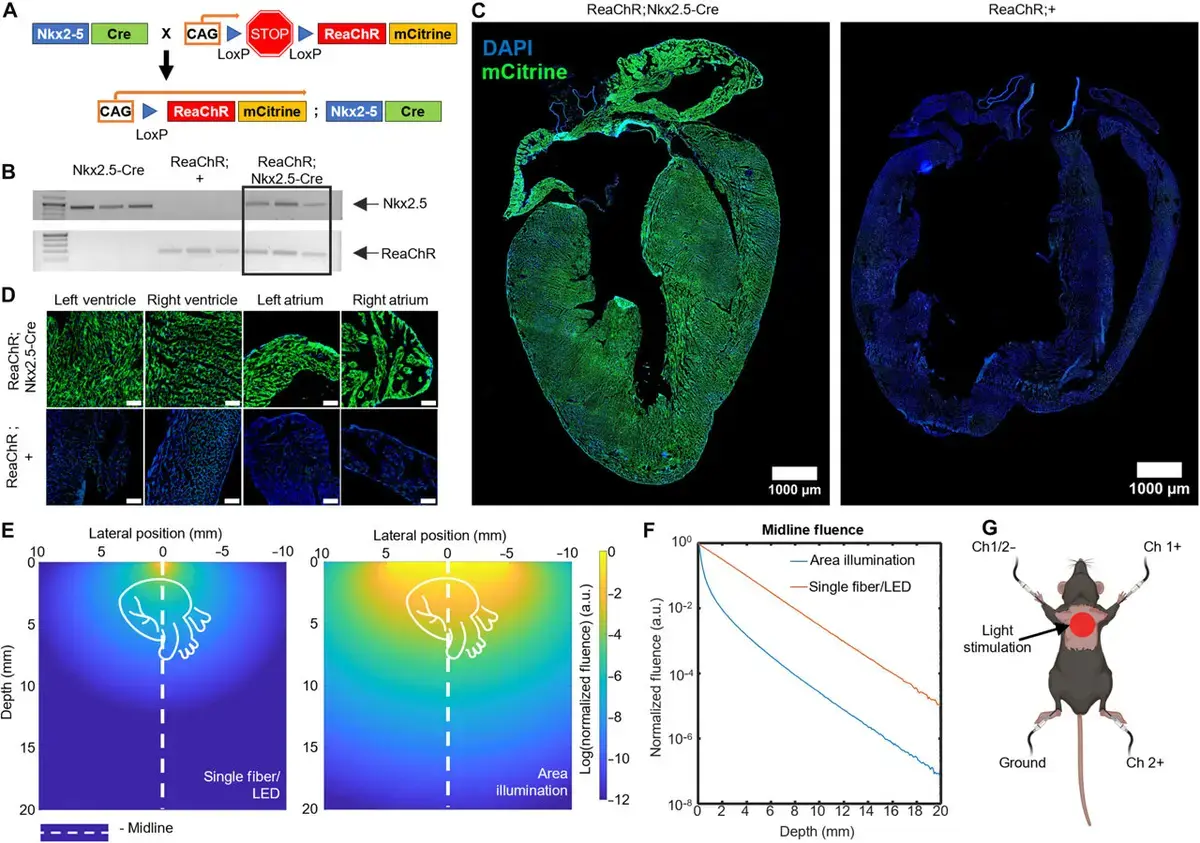
The team generated a specific strain of mice that expressed a light-sensitive protein, allowing them to control the heart rhythm using light stimulation. By inducing arrhythmia, they observed significant changes in brain oxygen levels.
Can Heartbeat Irregularities Affect Brain Function?
The study revealed that arrhythmia leads to rapid shifts in brain oxygen levels, which could have implications for understanding related neurological conditions. The researchers used advanced techniques to measure oxygen levels in the brain, providing valuable insights into the dynamics of brain oxygenation.
The data showed that even brief episodes of arrhythmia resulted in notable changes in brain oxygen levels, highlighting the complex relationship between heart function and brain activity. „Our findings demonstrate that arrhythmia can have a profound impact on brain oxygenation,”said a researcher involved in the study.
Further analysis of the data suggested that the rapid changes in brain oxygen levels could be related to the heart's reduced ability to pump blood effectively during arrhythmia. This raises important questions about the potential consequences for brain function and overall health.
Frequently Asked Questions
The study's findings have significant implications for understanding the intricate relationships between heart function, brain activity, and oxygenation. As researchers continue to explore this complex interplay, new avenues for investigating related conditions may emerge.
What is arrhythmia? Arrhythmia is a condition characterized by an irregular heartbeat, affecting the heart's ability to pump blood efficiently. It can be triggered by various factors. How does arrhythmia affect brain oxygen levels? The study found that arrhythmia leads to rapid shifts in brain oxygen levels, potentially impacting brain function and overall health. What are the potential implications of this research? The findings could lead to a better understanding of related neurological conditions and the development of new treatments or diagnostic tools.
Content written by Claire Ashworth for wellness-bio-radar.com editorial team, AI-assisted.