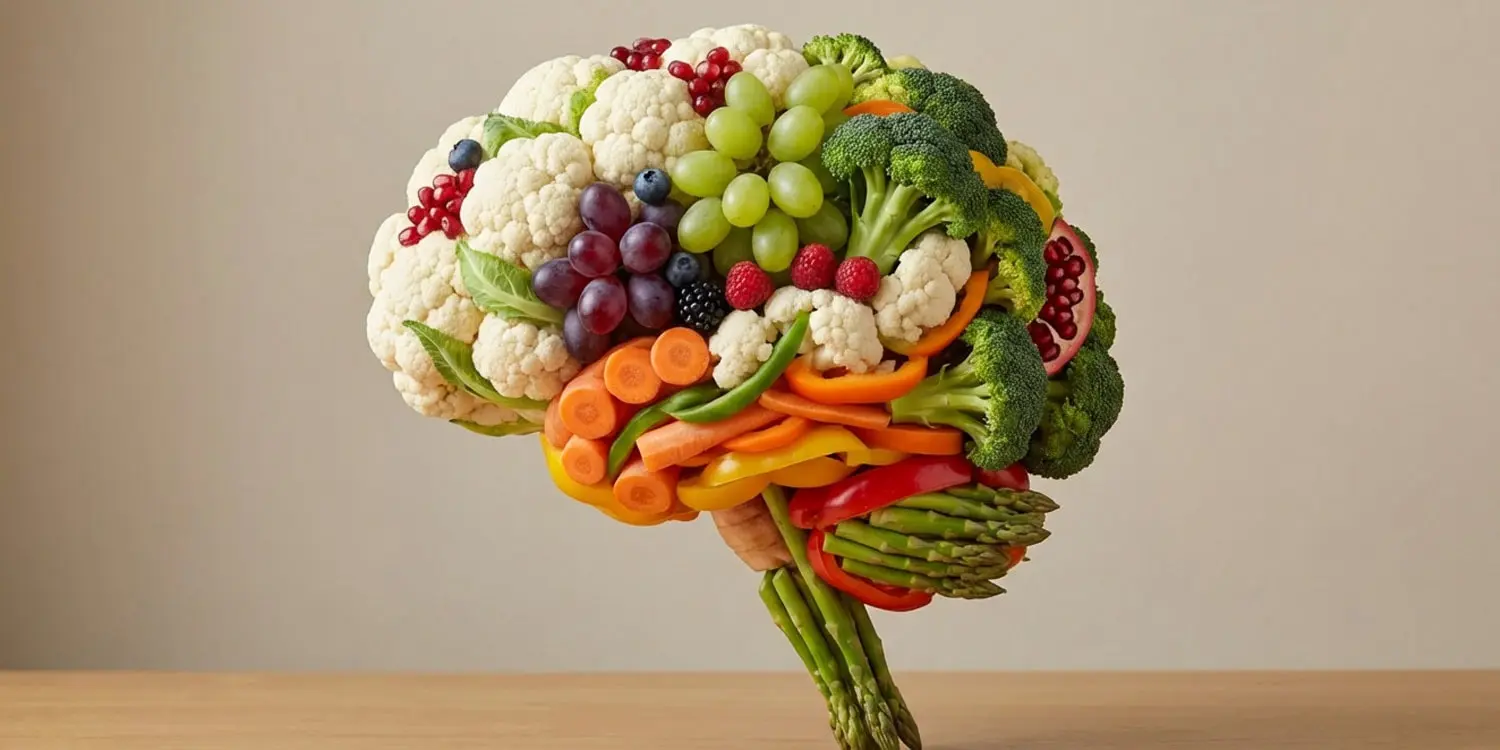
More Fruits and Veggies Tied to Lower Depression Risk
How Produce Supports Mental Health
A new review of observational studies reveals that higher fruit and vegetable intake is consistently associated with a reduced risk of depression. Researchers analyzed data from multiple cohorts to establish this link. The findings suggest dietary patterns play a significant role in mental health outcomes.
Health news
 Exercise and Mood: Italian Study Links Physical Activity to Lower Depression Symptoms
 Screen Time in Childhood Linked to Unexpected Cognitive Boost in Teens, 8‑Year Study Shows
 Workplace stress and anxiety are taking a heavy toll on employees, with one in three workers reporting that the strain is not easing
 Daily Food Habit Tied to Lower Risk of Anxiety and Depression
The study examined how plant-based nutrition influences mood regulation over time. Participants who ate more produce showed lower rates of depressive symptoms. This connection appears robust across different populations and study designs.
Dietary components in fruits and vegetables likely contribute to better brain function. Antioxidants, fiber, and micronutrients support neural pathways involved in mood stability. The review indicates that consistent consumption helps maintain psychological well-being.
Can Diet Alone Prevent Depression?
Researchers noted that the effect is dose-dependent. Higher intake correlates with stronger protective effects. This suggests that incremental increases in produce consumption can yield measurable mental health benefits.
While diet is not a standalone cure, it serves as a powerful preventive strategy. The review emphasizes that nutrition works alongside other interventions. Combining dietary changes with therapy or medication may optimize outcomes for at-risk individuals.
Frequently Asked Questions
How much produce is needed for mental health benefits? Studies generally reference the standard recommendation of five servings per day. Consistency matters more than a single large meal. Regular intake over weeks shows the strongest correlation with lower depression risk.
Does this apply to all age groups? The observational data includes adults of various ages. The protective trend holds across demographics, though younger adults may benefit most from early dietary habits.
What types of produce matter most? Leafy greens, berries, and citrus fruits show the strongest associations. Variety matters more than focusing on a single food group.