
New Alzheimer's Drugs: Real-World Impact Questioned
Clearing Plaques: A Step Forward, But Is It Enough?
New medications for Alzheimer's disease can effectively remove amyloid plaques from the brain. This development marks a significant scientific achievement. However, experts are now evaluating if this biological change leads to meaningful improvements in patients' daily lives.
Health news
 Sleep May Be the Heart's Nightly Repair Window, Study Suggests
 APOE Genotype Influences How Well Blood Tau Protein Predicts Cognitive Decline
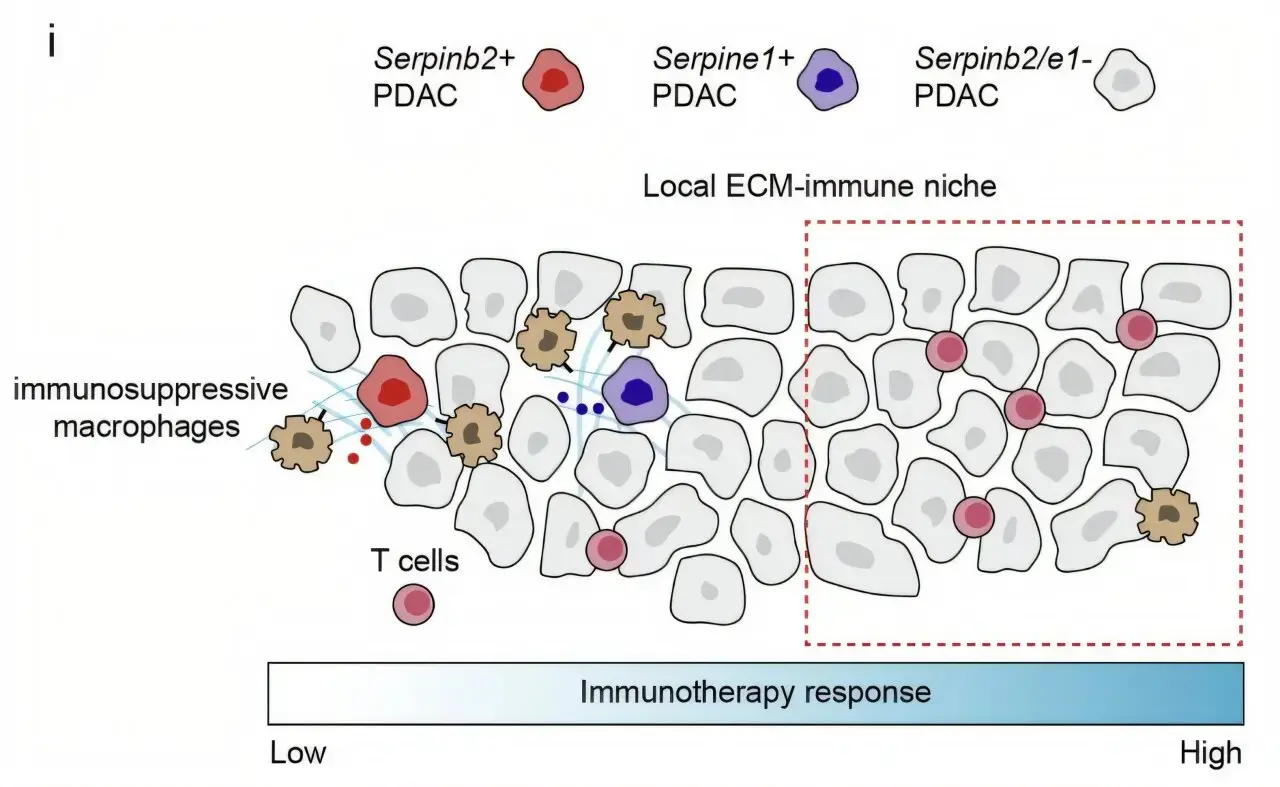 Pancreatic Cancer Hijacks Blood-Clotting System to Evade Immune Attack
 Survey Reveals Most Men Unaware Dairy May Increase Prostate Cancer Risk
For years, researchers have focused on amyloid beta, a protein fragment that accumulates in the brains of Alzheimer's patients. These plaques are considered a hallmark of the disease. The latest generation of drugs successfully targets and clears these harmful deposits.
The ability to clear amyloid is a major breakthrough in Alzheimer's treatment. Previous therapies primarily managed symptoms. These new drugs address a core pathological feature of the disease. Billions of dollars have been invested in developing these innovative treatments.
Do Patients Experience Noticeable Improvement?
Despite this success, the direct correlation between plaque removal and enhanced cognitive function or slowed disease progression remains a key area of investigation. Clinical trials show some benefits, but their practical significance for patients and their families is still under scrutiny. The question is whether these benefits translate into tangible differences in memory, thinking, and daily activities.
While the drugs achieve their biological goal, the real-world impact on patients' quality of life is not yet fully understood. Patients and caregivers are eager to know if these treatments offer more than just a biological marker change. They want to see a significant slowing of cognitive decline or an improvement in their ability to perform everyday tasks.
Ongoing studies are crucial to determine the extent of these real-world benefits. Researchers are collecting more data to assess how much these treatments truly improve the lives of those living with Alzheimer's. The ultimate goal is to provide therapies that offer substantial and lasting relief from the devastating effects of the disease.
Frequently Asked Questions
What are amyloid plaques? Amyloid plaques are abnormal clumps of protein fragments that build up in the brains of people with Alzheimer's disease. They are considered a key feature of the condition and disrupt brain cell function.
How do the new Alzheimer's drugs work? These new medications are designed to target and remove amyloid plaques from the brain. They aim to clear these harmful deposits, which are believed to contribute to the progression of Alzheimer's disease.
Do these drugs cure Alzheimer's? No, these drugs do not cure Alzheimer's disease. They are designed to clear amyloid plaques, which may slow the progression of the disease, but they do not reverse existing damage or fully restore cognitive function.
Content written by Marcus Reid for wellness-bio-radar.com editorial team, AI-assisted.