Alcohol's Dual Impact on Alzheimer's Brains Revealed
Alcohol's Varying Effects on Brain Cells
New research indicates that alcohol affects the brain differently depending on the specific type of Alzheimer's pathology present. Scientists at Texas A&M University found that chronic alcohol consumption alters brain cell responses in distinct ways in models for amyloid and tau-related Alzheimer's disease. This discovery sheds new light on how alcohol might influence cognitive decline.
Health news
 Sleep May Be the Heart's Nightly Repair Window, Study Suggests
 APOE Genotype Influences How Well Blood Tau Protein Predicts Cognitive Decline
 Pancreatic Cancer Hijacks Blood-Clotting System to Evade Immune Attack
 Survey Reveals Most Men Unaware Dairy May Increase Prostate Cancer Risk
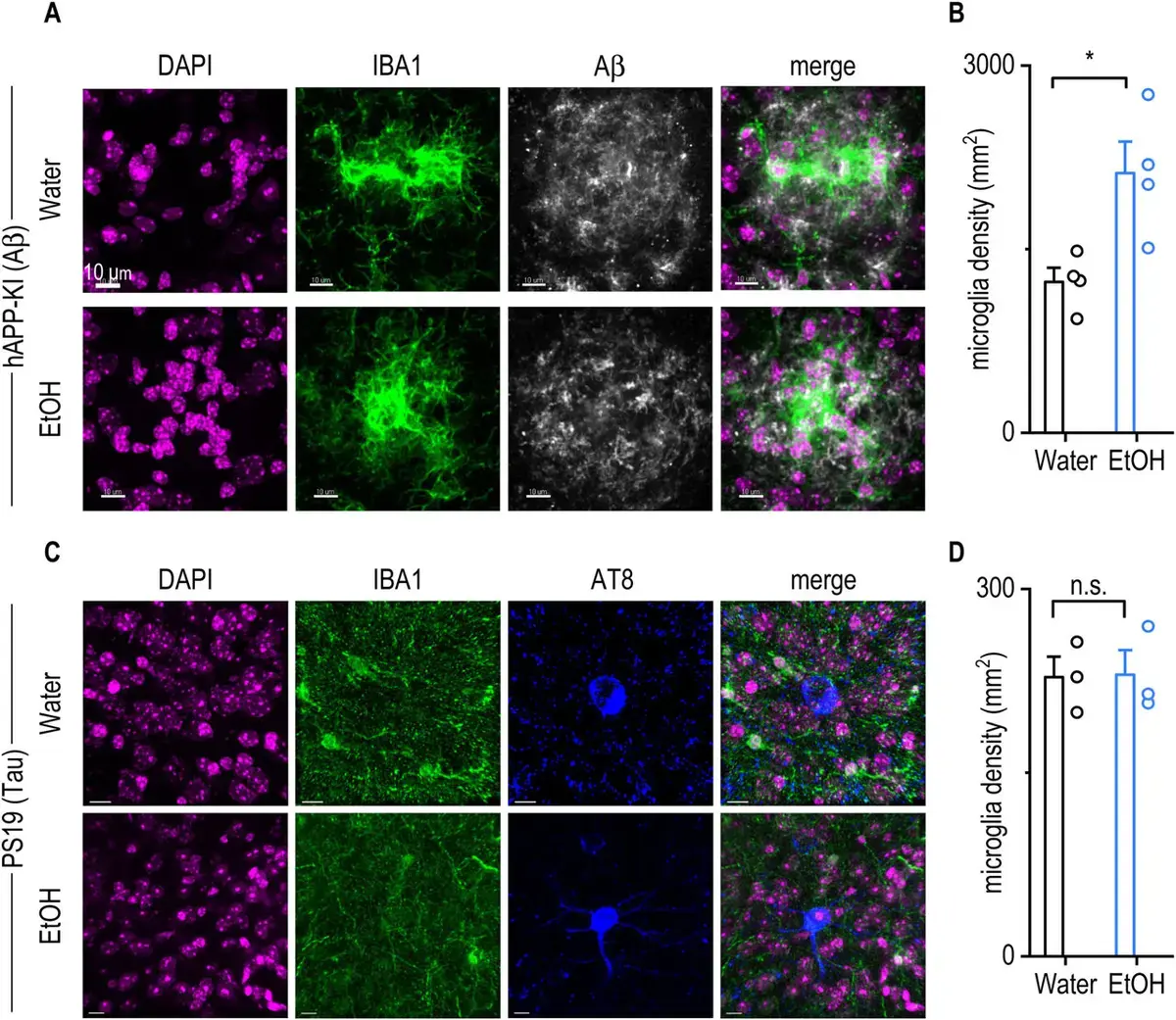
The study focused on microglia, which are immune cells in the brain. These cells play a crucial role in clearing waste and maintaining brain health. Researchers observed that alcohol caused opposite changes in microglial activity in two different mouse models of Alzheimer's. One model represented amyloid plaque buildup, while the other focused on tau tangles.
In mice with amyloid pathology, alcohol appeared to suppress microglial activity. This could hinder the brain's ability to clear harmful amyloid proteins. Conversely, in mice with tau pathology, alcohol seemed to overactivate microglia. This excessive activation might contribute to inflammation and neuronal damage.
How Does Alcohol Influence Different Alzheimer's Pathways?
The findings suggest that alcohol does not have a single, uniform effect on the Alzheimer's brain. Instead, its impact is nuanced, depending on the underlying disease mechanisms. This differential response could explain why alcohol's role in dementia risk is complex and sometimes contradictory in human studies. Understanding these distinct pathways is vital for developing targeted interventions.
This research highlights the need for personalized approaches in understanding and treating Alzheimer's disease. It suggests that alcohol's influence on cognitive health might vary significantly among individuals. Further studies are needed to explore these mechanisms in human brains.
Frequently Asked Questions
What are amyloid and tau in Alzheimer's disease? Amyloid plaques and tau tangles are abnormal protein deposits that accumulate in the brains of people with Alzheimer's. They are considered hallmarks of the disease and contribute to brain cell damage.
What are microglia? Microglia are the primary immune cells of the central nervous system. They act as scavengers, clearing cellular debris and pathogens, and play a key role in brain inflammation and repair.
How does this research change our understanding of alcohol and dementia? This study suggests that alcohol's impact on dementia risk is not uniform. It indicates that alcohol interacts differently with the distinct pathological processes of Alzheimer's, potentially either hindering waste clearance or promoting inflammation depending on the specific disease type.
Content written by Dr. Nathan Cole for wellness-bio-radar.com editorial team, AI-assisted.